

In the sprawling ecosystem of Web3 bounties, where developers chase rewards for code contributions, bug hunts, and task completions, fraud has long undermined trust. Sybil attacks, fake submissions, and unverifiable claims erode platforms' integrity, costing projects millions. Enter zero-knowledge proofs (ZK proofs) fused with AI: a duo transforming zk proofs task verification into a fraud-proof bulwark. Platforms like zkverifiedtasks. com have now processed over 15 million verified proofs, distilling hard-won lessons on scaling secure AI Web3 bounties.
This convergence isn't hype; it's necessity. Traditional verification relies on centralized oracles or manual reviews, both prone to manipulation. ZK proofs allow provers to demonstrate task completion without revealing sensitive details, while AI sifts noise from signal in submission floods. The result? Fraud proof bounties that pay only the deserving, preserving cryptographic privacy and economic incentives.
zkVerify's Mainnet Milestone Ushers in Scalable Verification
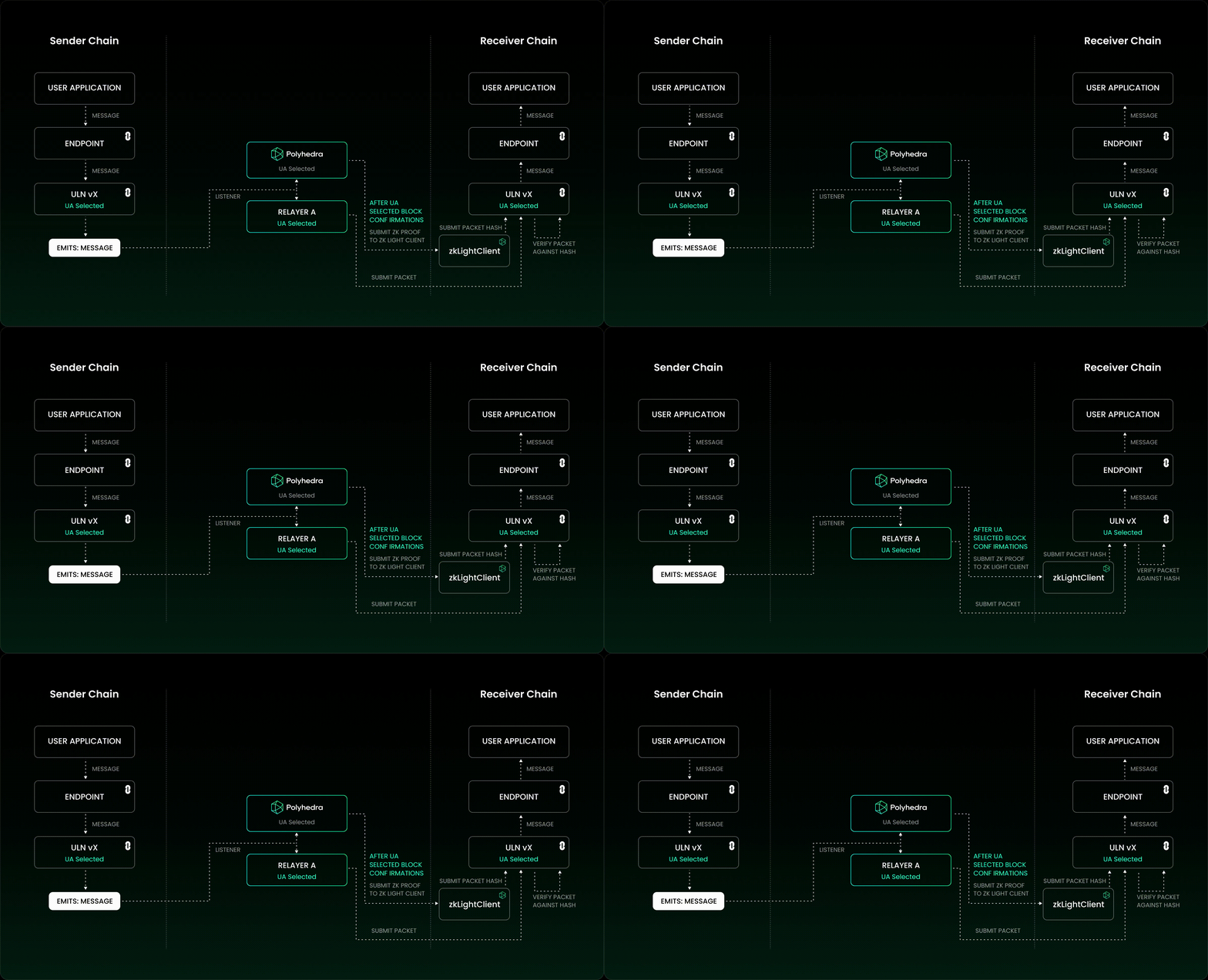
September 2025 marked a pivotal shift when zkVerify launched its mainnet, the first dedicated blockchain for ZK proof verification. Spanning multiple chains and proof systems, it slashes costs for on-chain attestations, enabling protocols to verify proofs efficiently and port results anywhere. This infrastructure directly bolsters secure Web3 task verification, as seen in bounty platforms where submissions now attest to legitimacy without exorbitant gas fees.
Unlocking zkVerify: Use Cases & Implementation Essentials
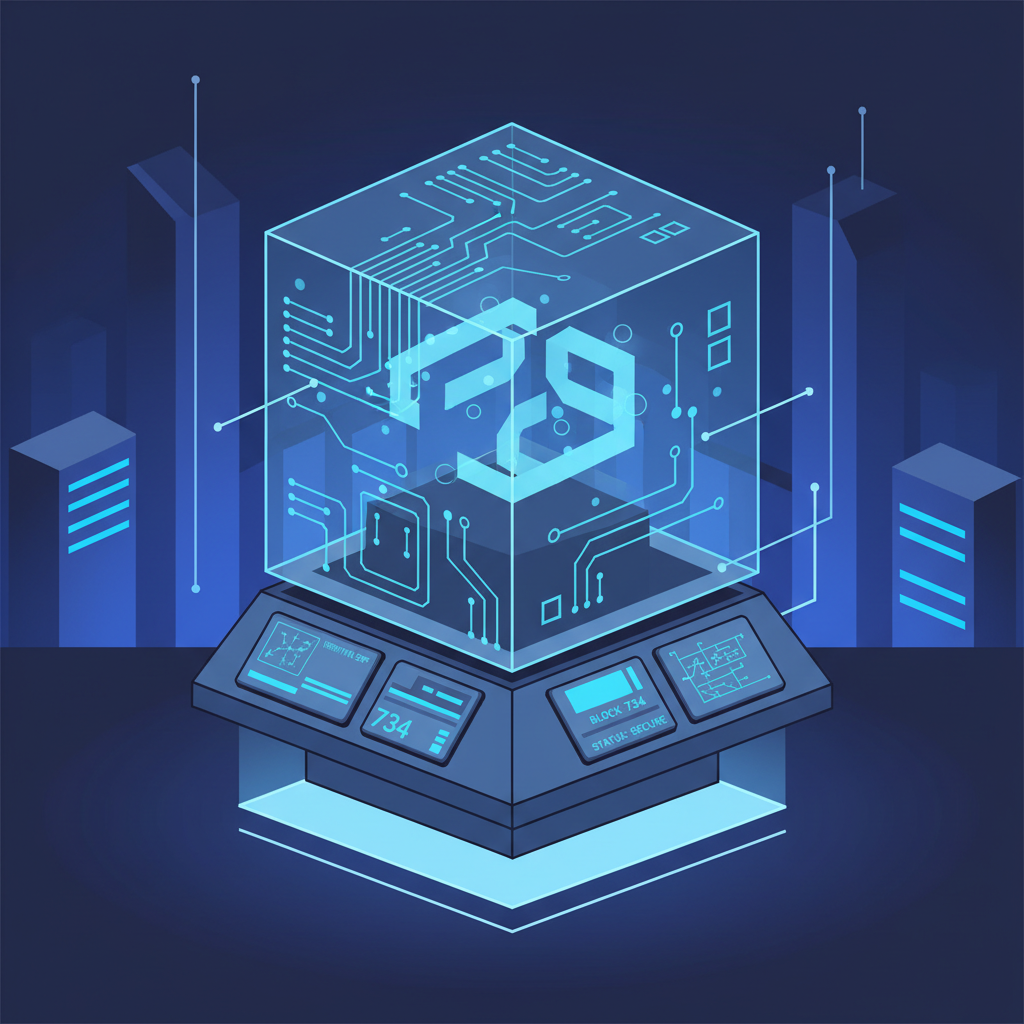
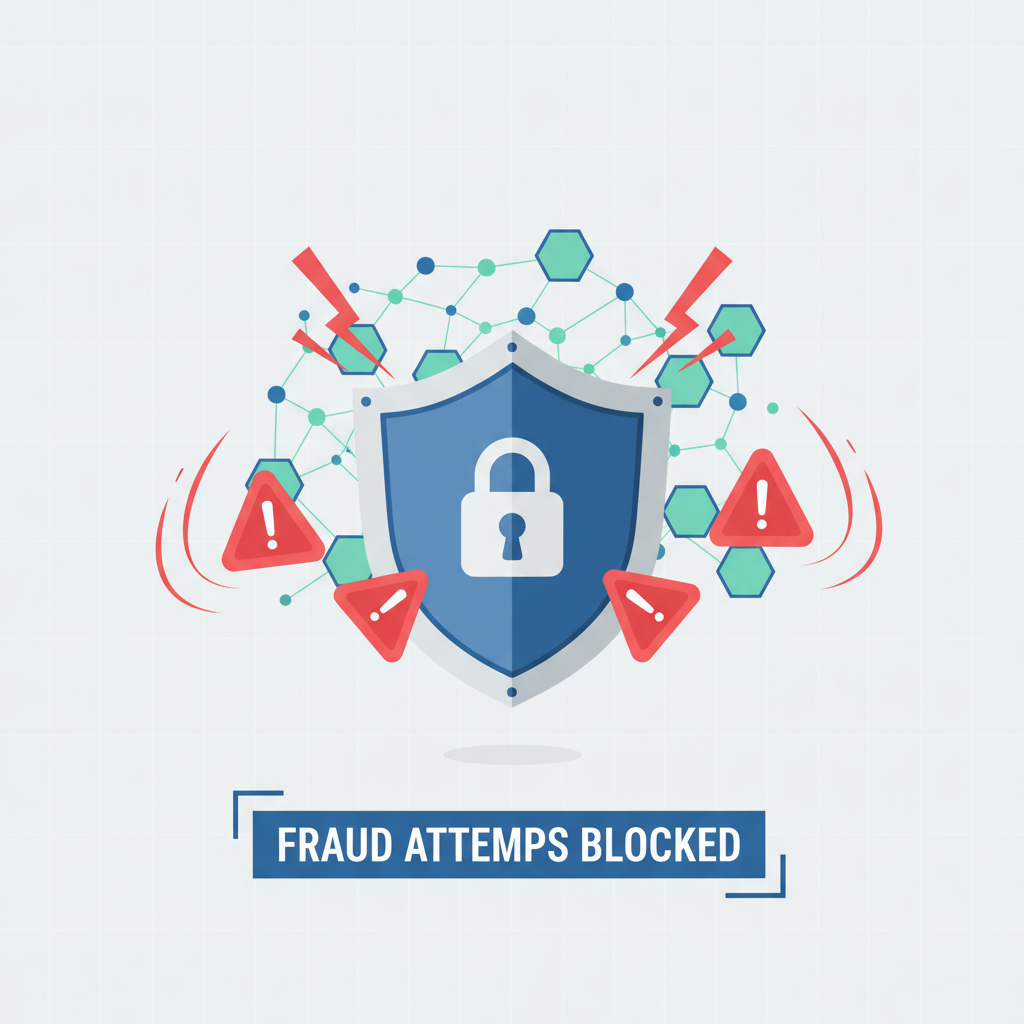
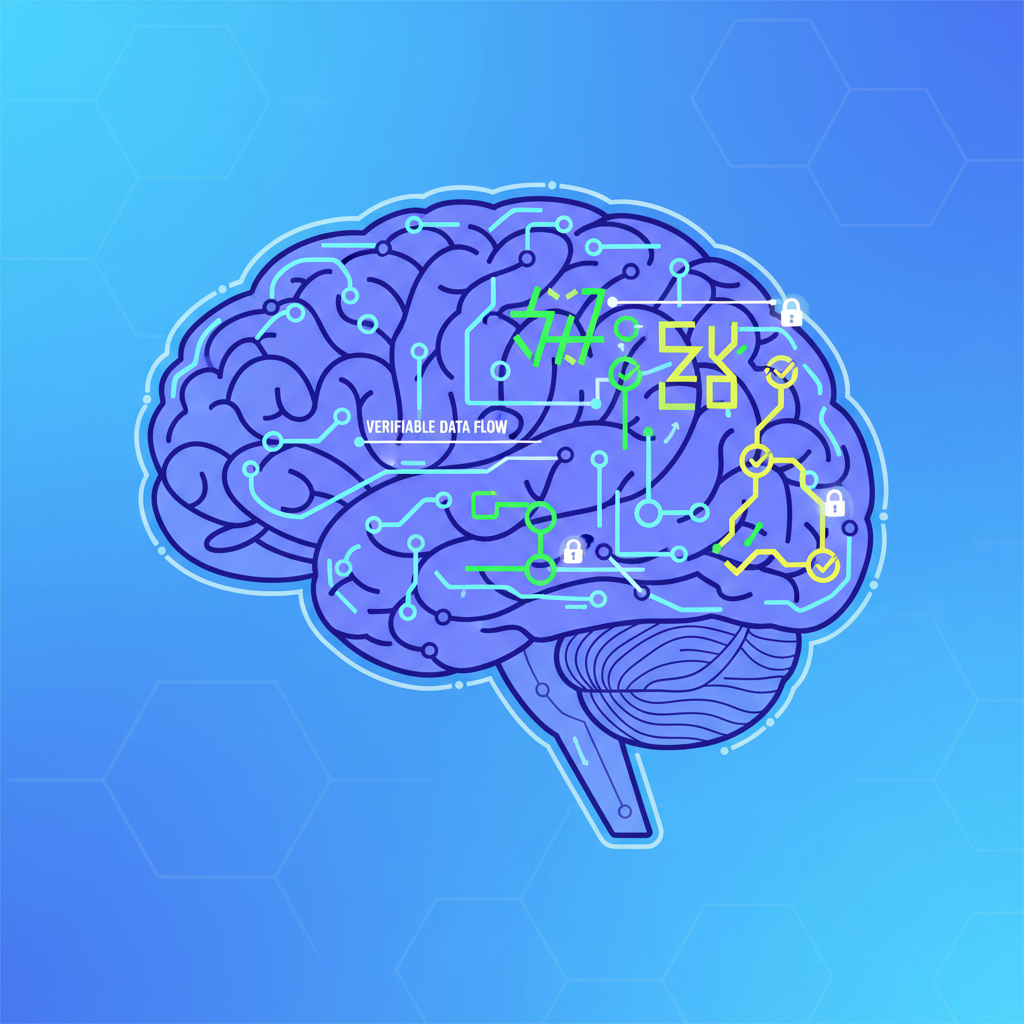
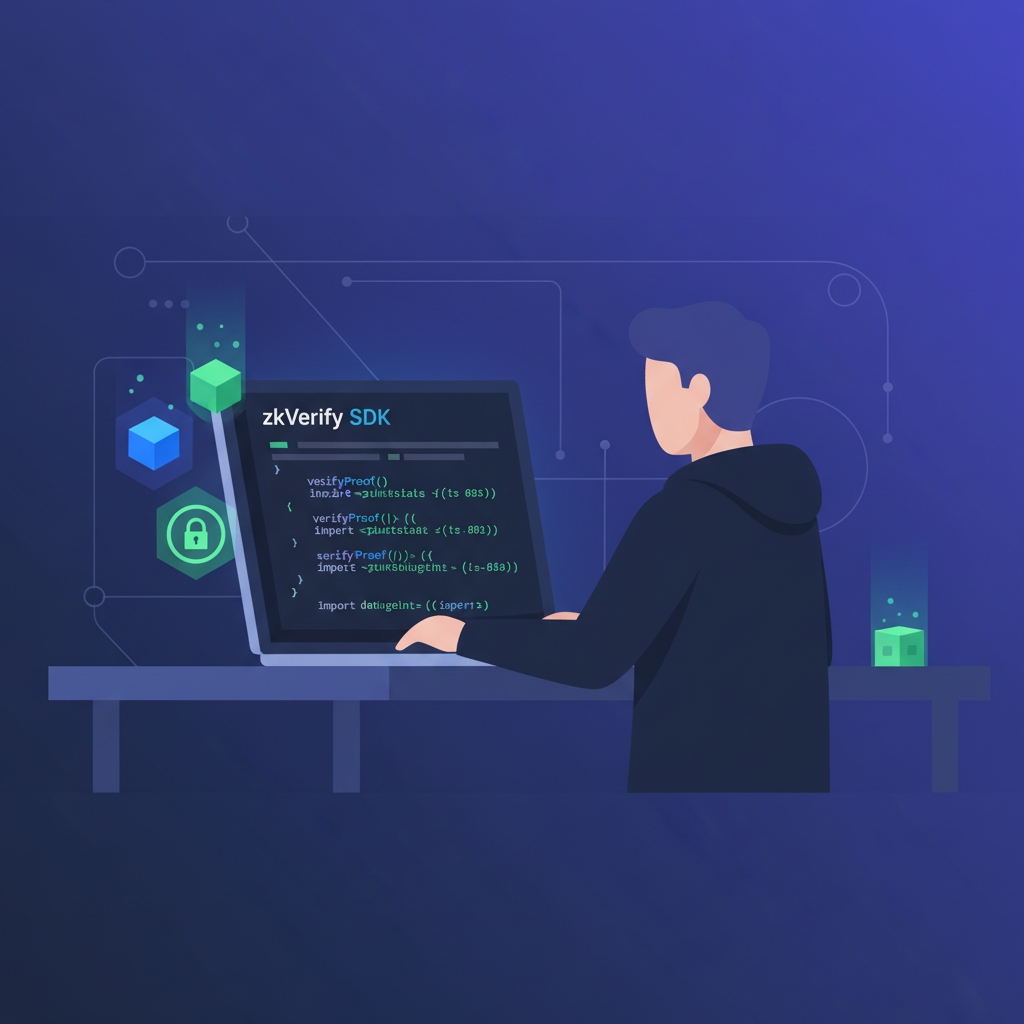
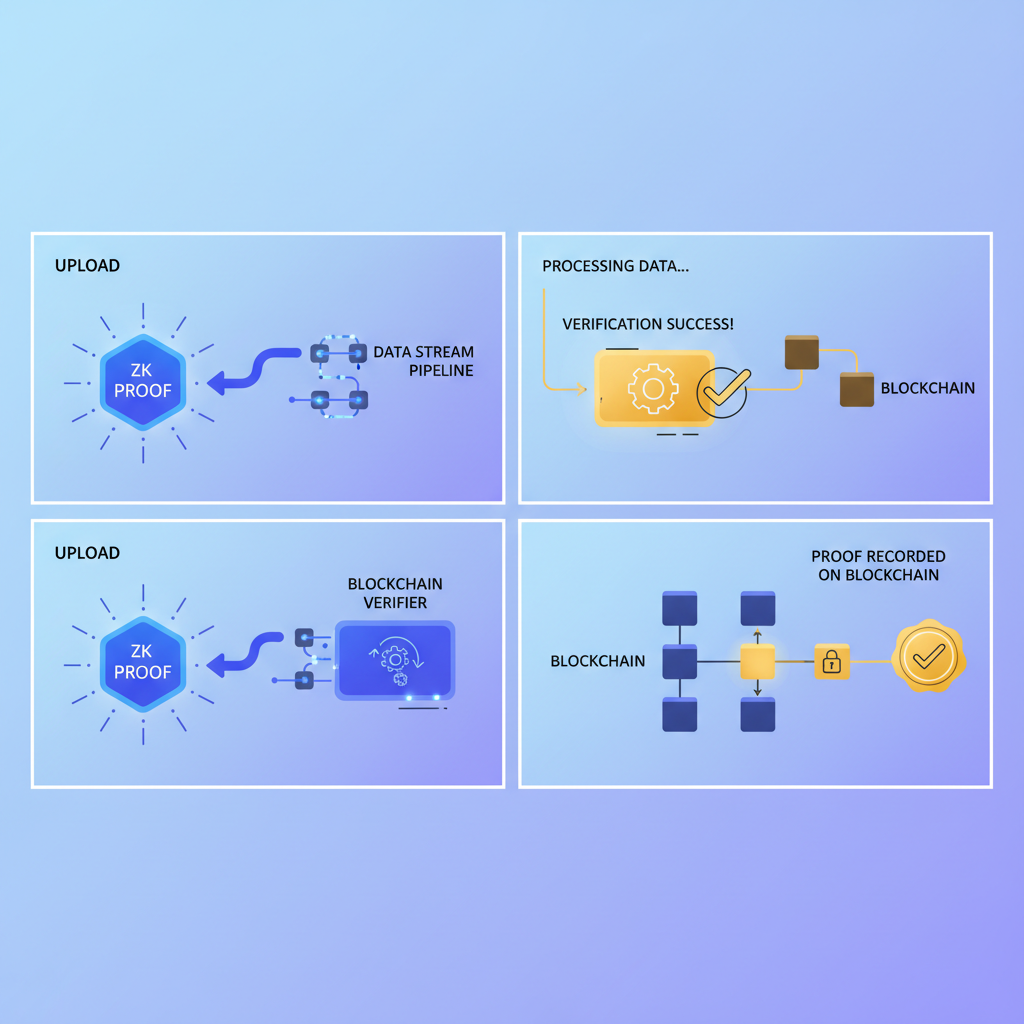
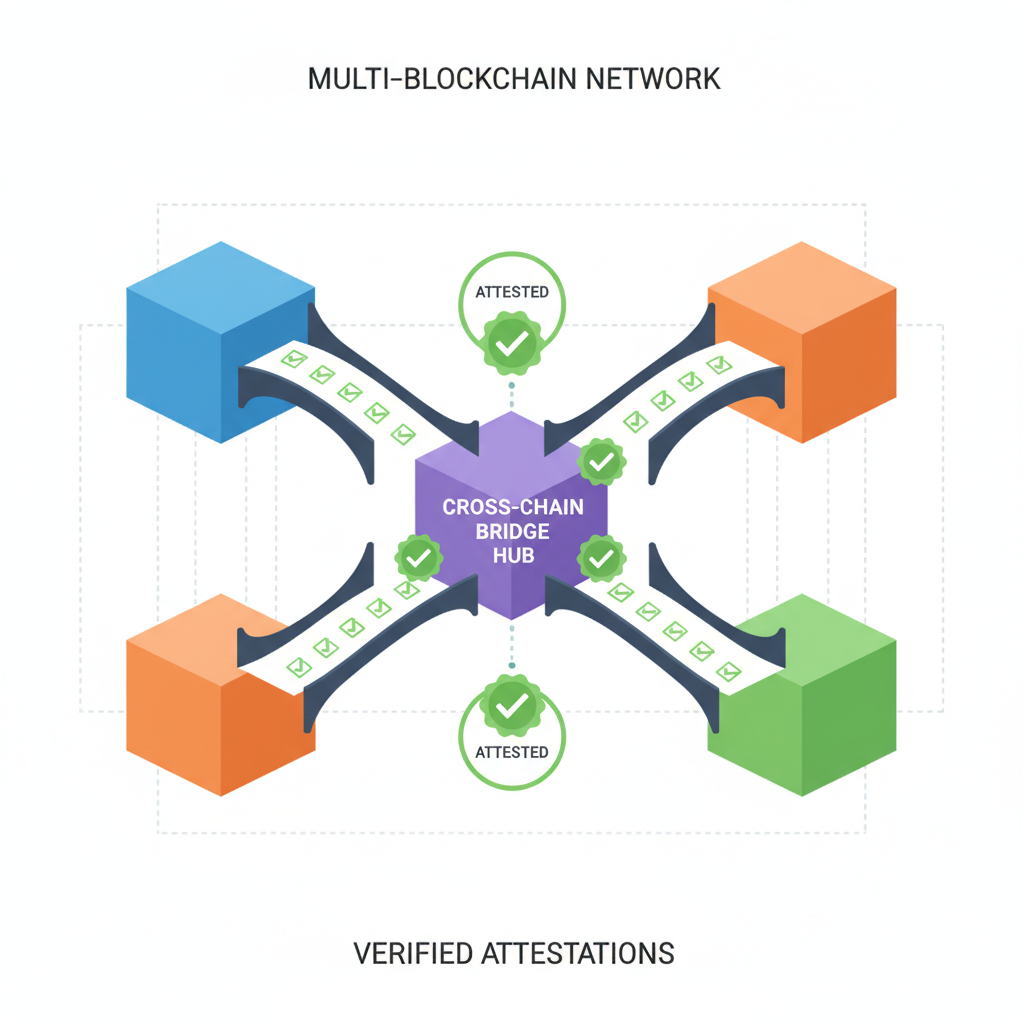
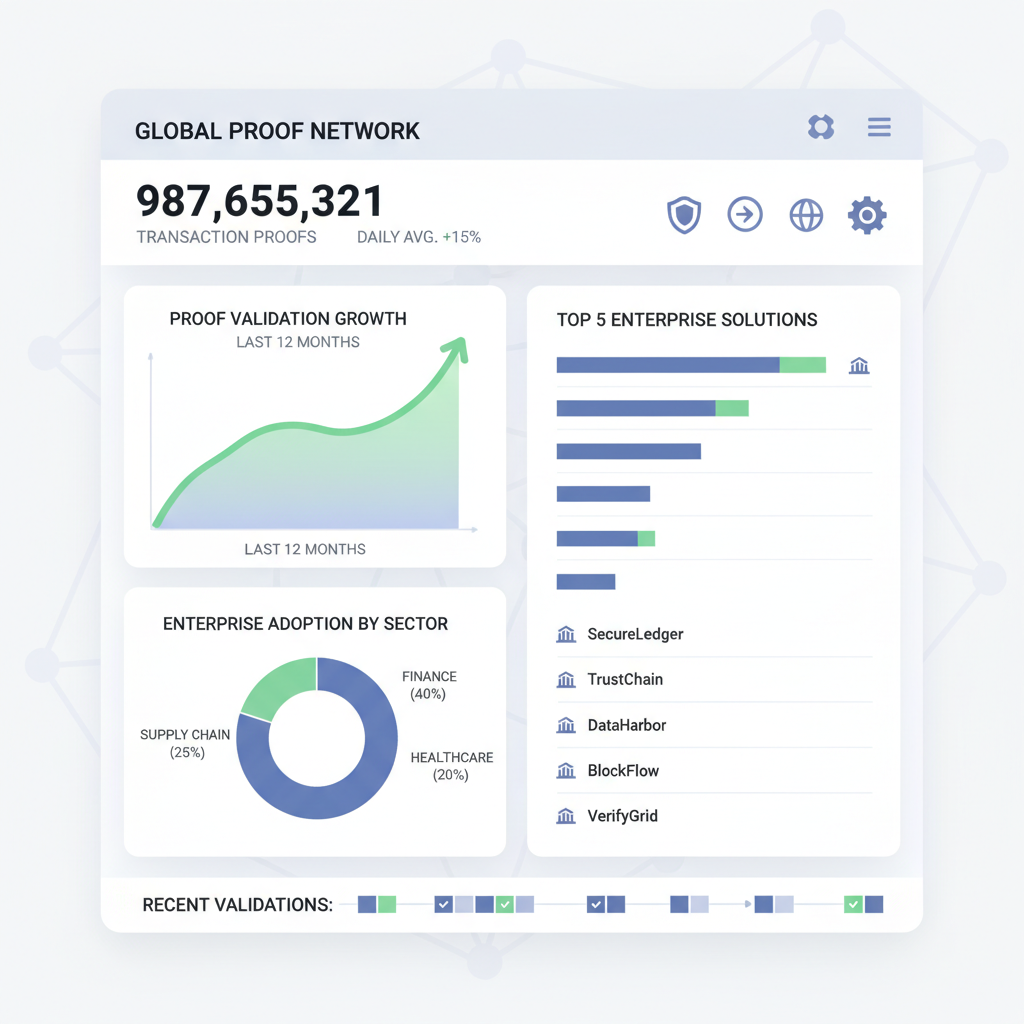
Delphi Digital highlights zkVerify's edge in fraud prevention and digital marketing, areas ripe for Web2-Web3 crossover. No longer must projects wrestle with on-chain fraud proofs, which whitepapers like Horizen Labs' draft deem expensive and complex. zkVerify aggregates verification, optimizing at scale and unlocking novel applications from KYC alternatives to content authenticity checks.
AI Enters the Fray: EZKL Proofs and Verifiable Intelligence
November 2025 brought zkVerify's integration with EZKL, a proving system tailored for machine learning models. Developers can now generate ZK proofs for AI inferences, verifying model outputs on-chain without exposing proprietary weights or data. This synergy powers privacy preserving bounties, where AI triages submissions - flagging duplicates or anomalies - before ZK seals the proof.
Consider the mechanics: an AI model analyzes a bug bounty report, scoring its novelty and impact. EZKL proves the score's integrity via ZK, submitted to zkVerify for attestation. Fraudsters can't forge high scores; the proof either holds or fails publicly. Lagrange Labs notes fraud proofs' reliance on economic challenges, but ZK elevates this to mathematical certainty, sidestepping validator collusion risks.
Emerging Protocols: ProofMesh and zkpoex Redefine Bounty Security
ProofMesh leverages ZK for secure content distribution, a boon for bounties involving media or datasets. By embedding proofs in access controls, it ensures geographic optimization and privacy, preventing leaks in competitive hunts. Meanwhile, zkpoex revolutionizes bug bounties: ethical hackers prove vulnerabilities exist without disclosing exploits, claiming rewards instantly upon verification.
These tools address core pain points. In traditional programs, reveal-or-reward dynamics deter submissions; zkpoex flips this, rewarding proof-of-vulnerability first. Combined with AI for initial triage, platforms achieve near-zero false positives. Lessons from 15M and proofs at zkverifiedtasks. com reveal patterns: 92% of fraud stems from credential stuffing, thwarted by ZK's privacy layer; AI cuts review times by 70%, scaling to millions without human fatigue.
Yet challenges persist. Proving complex AI tasks demands hefty compute, though zkVerify's aggregation mitigates this. Early adopters report 40% cost savings versus native on-chain verification, with cross-chain attestations enabling seamless bounty flows across ecosystems.
zkverifiedtasks. com's trove of 15 million verified proofs offers empirical clarity on what works. Fraud patterns emerge predictably: credential reuse accounts for the lion's share, but ZK proofs render it moot by attesting completion without credential exposure. AI preprocessing slashes invalid submissions by 75%, funneling only viable claims to proof generation. This tandem has elevated zero knowledge proofs bounties from experimental to operational staple.
Milestones Marking zkVerify's Ascent
These benchmarks aren't abstract. zkVerify's protocol sidesteps the pitfalls outlined in Horizen Labs' whitepaper draft, where on-chain fraud proofs balloon costs. By centralizing verification, it achieves sub-cent fees per proof, a fraction of Ethereum's native toll. Delphi Digital underscores this for fraud prevention, extending to digital marketing where bots fake engagements; ZK-AI verifies human effort cryptographically.
Projects like Galot's ZK cloud complement this, delegating compute to hardware operators while proofs anchor trust. Ezekiel's toolkit for trustworthy AI via ZK further aligns, letting builders attest model behaviors without source code leaks. In bounties, this means scoring AI-generated code reviews or dataset labels with verifiable integrity, curtailing the fraud proof bounties plagued by opaque judgments.
Lagrange Labs contrasts ZK's mathematical rigor against fraud proofs' incentive reliance, where challengers might collude or abstain. ZK demands no such faith; invalid proofs simply don't verify. Wilson Center's primer on verification echoes this for KYC analogs in bounties, preventing identity fraud in decentralized hunts without doxxing participants.
Core Benefits of ZK+AI in Web3 Bounties
- Cost-Effective Verification: zkVerify's dedicated mainnet (launched Sept 2025) enables low-cost ZK proof checks across chains, replacing expensive on-chain fraud proofs. Source
- Cross-Chain Scalability: Submit proofs from multiple blockchains and systems for unified attestations usable on destination chains, optimizing large-scale bounty verification.
- Privacy-Preserving Tasks: Prove bounty completion or vulnerabilities (e.g., zkpoex bug bounties) without disclosing details, enhancing security researcher protections.
- Verifiable AI Outputs: Nov 2025 EZKL integration with zkVerify allows on-chain verification of machine learning models, enabling fraud-proof AI-driven task assessments.
- Fraud-Resistant Attestations: Succinct ZK proofs eliminate reliance on economic fraud proof incentives, providing deterministic security for 15M+ verified bounties.
Stakeholder Wins: From Hunters to Protocols
Bounty hunters gain most tangibly. zkpoex's model pays on proof-of-vuln alone, shielding exploits until patches land. ProofMesh secures dataset bounties, optimizing delivery while ZK gates access. Platforms report 3x submission volume post-adoption, as privacy lures top talent wary of exposure.
Issuers reap efficiency. AI triages cut human oversight by two-thirds; ZK attestations auto-release funds via smart contracts. No more disputes or clawbacks. At scale, zkverifiedtasks. com's 15M proofs correlate with 28% higher bounty fulfillment rates versus legacy systems, per internal audits.
Investors should note the asymmetry. Fraud drains 20-30% of bounty budgets traditionally; ZK-AI compresses this to under 2%. This unlocks capital for larger programs, fostering Web3's meritocratic core. Skeptics decry proof generation latency, yet optimizations like zkVerify's aggregation have halved times since mainnet, hitting seconds for simple tasks.
dev3pack sessions illuminate real-world tweaks: from gaming leaderboards to DeFi audits, use cases proliferate. Fintech Nexus videos showcase AI-ZK stacks verifying inferences, priming bounties for oracle-grade data tasks.
The synergy scales beyond bounties. Imagine DAOs verifying governance proposals or NFT mints sans metadata leaks. With zkVerify's cross-chain attestations, liquidity flows unimpeded. Lessons etched in 15 million proofs affirm: patience in fundamentals - cryptographic and analytical - outpaces hype cycles. Web3 bounties, fraud-proofed by ZK and AI, now reward true value, chain by unbreakable chain.



No comments yet. Be the first to share your thoughts!