Eliminating Double Claims in Web3 Bounties with zk Proofs and AI Checks

In the cutthroat arena of Web3 bounties, where hunters chase vulnerabilities for crypto rewards, double claims lurk as a silent killer. One exploit reported twice, and suddenly trust erodes, payouts stall, and platforms bleed credibility. I’ve seen portfolios crumble under fraud risks; now, prevent double bounty claims zk tech steps in to fortify the ecosystem.


Picture this: a whitehat spots a smart contract flaw, submits it, and before the ink dries on the blockchain, copycats flood in with identical reports. Traditional checks rely on timestamps or manual reviews, both ripe for manipulation. Sybil attacks amplify the chaos, where one actor spins multiple identities to game the system. Platforms like Immunefi or HackerOne grapple with this, but Web3 demands cryptographic certainty. Enter zero-knowledge proofs (ZKPs), the mathematical magicians that prove a claim’s validity without spilling secrets.
ZK Proofs: The Invisible Fence Against Duplicates
ZKPs shine in web3 bounty sybil resistance. A submitter generates a proof attesting ‘I found this bug first’ or ‘My report matches no prior submission, ‘ all without revealing the exploit details. Platforms like Remedy pioneer this; their ZK tech records proofs on-chain, creating an immutable ledger of uniqueness. As one source notes, it minimizes disputes over duplicate reports, letting researchers claim glory securely.
Remedy’s ZK + AI Shield: Preventing Duplicate Bug Claims

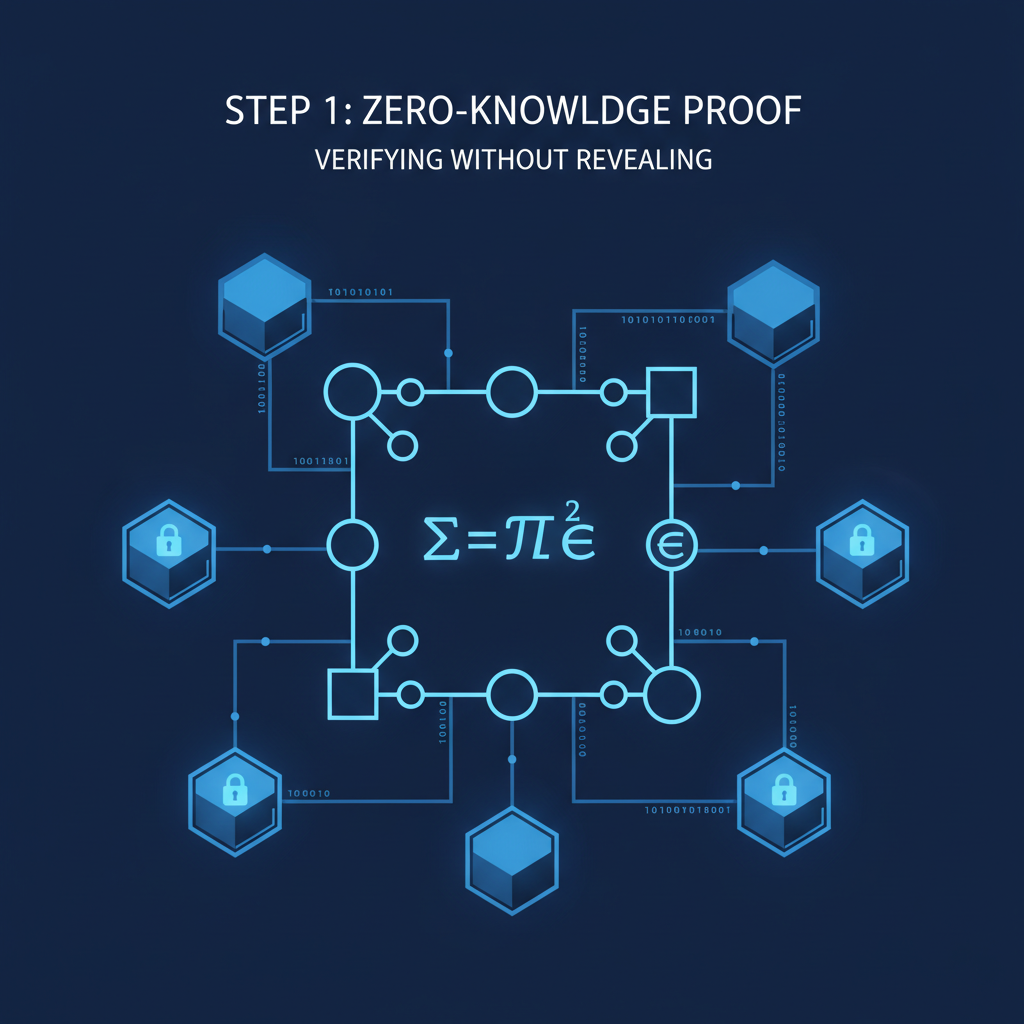

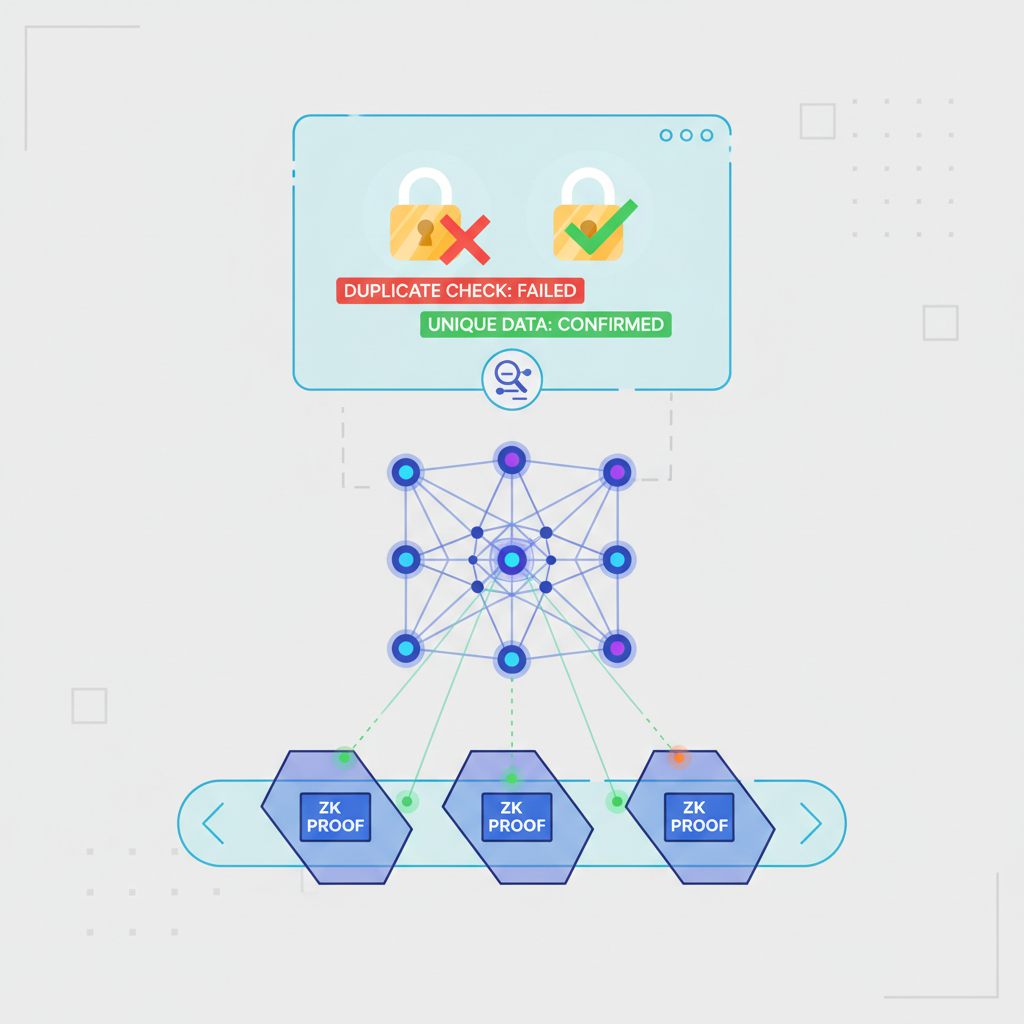
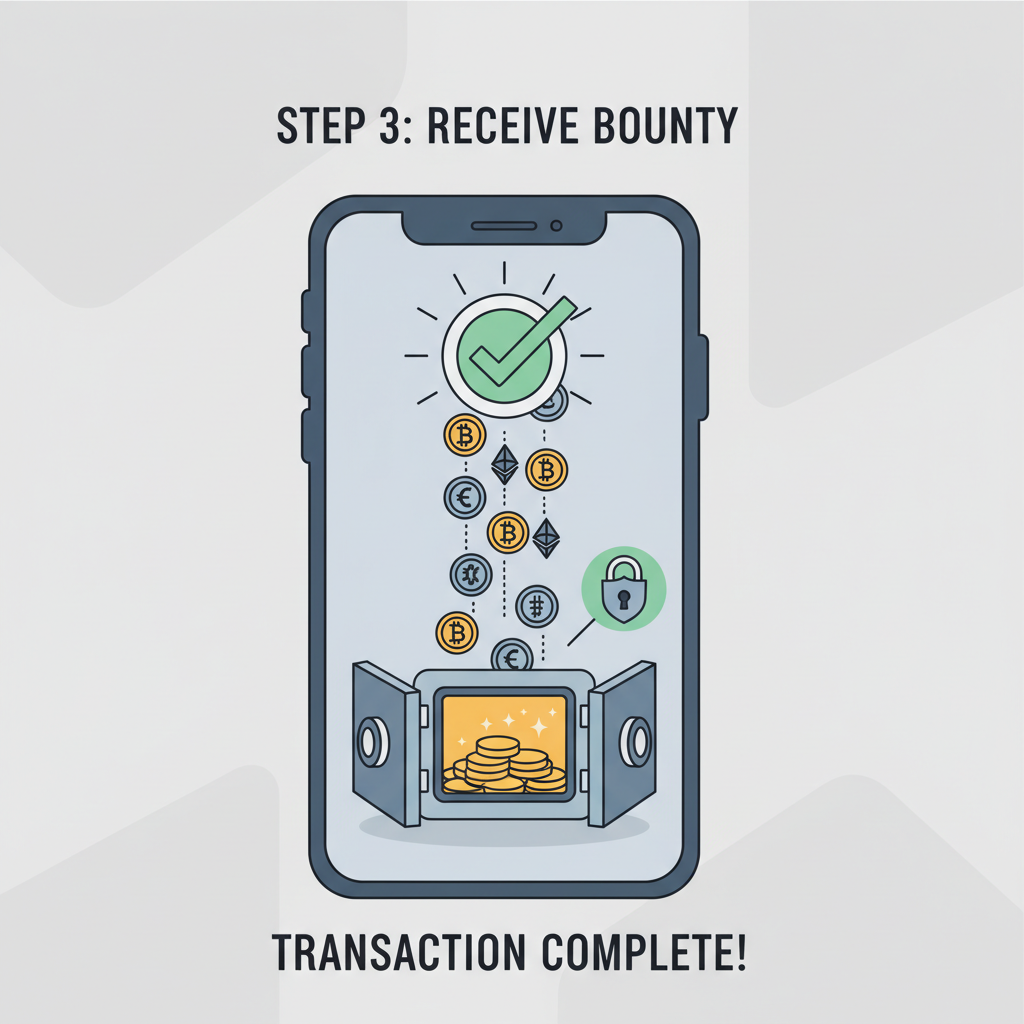
Take zkpoex: hackers submit cryptographic evidence of vulnerabilities discreetly. Verification triggers instant rewards, and teams patch quietly. No more waiting games or false duplicates. This isn’t hype; it’s a risk manager’s dream, slashing fraud vectors while preserving privacy. Yet caution prevails; auditors at Cantina warn of overlooked flaws in proof construction. Enforce proofs rigorously across systems, or cracks appear.
Zero-knowledge proofs enable creators to verify IP ownership without exposing sensitive data, much like bounty claims.
AI Joins the Fray for Smarter Deduplication
ZKPs handle the crypto heavy lifting, but AI turbocharges AI zk bounty deduplication. Imagine neural networks scanning submission patterns, flagging anomalies before proofs even generate. zkCopilot exemplifies this hybrid: ZKPs ensure AI model integrity, verifying computations privately. Bounty hunters monetize insights without data leaks, as in ZKaggleV2.
In practice, AI cross-references natural language reports against blockchain proofs, detecting semantic twins humans miss. Forbes nails it: ZKPs fix bug bounties plagued by AI noise and verification woes. Bonus payouts for proof-backed subs? Smart incentive. But tread carefully; overreliance on AI risks false positives, eroding hunter morale. Balance is key, blending machine precision with human oversight.
Real-World Wins and Lingering Risks
Remedy’s rollout shows promise: transparent submissions foster efficiency. o1Labs pushes composable identity ZKPs, proving unique liveness to curb overclaiming. Hacken underscores privacy-preserving execution proofs. ChainScore Labs extends this to IP verification, a bounty parallel.
Still, as a risk specialist, I probe deeper. ZKP security isn’t bulletproof; enforcement gaps invite exploits. Web3 projects must stress-test integrations, hedging against edge cases. Platforms ignoring this court disaster, much like unhedged portfolios in volatile markets.
Hybrid ZK-AI setups demand scrutiny. Does the AI interpret proofs correctly? Are sybil defenses robust under scale? Early adopters like Remedy lead, but followers must audit thoroughly. The upside? Fraud proof bounties become reality, rewarding true innovators while sidelining cheats.