ZK Proofs and AI for Fraud-Proof Web3 Bounty Verification in 2026

In the high-stakes arena of Web3 bounties, where developers chase rewards for uncovering vulnerabilities or completing complex tasks, fraud has become a relentless shadow. As of February 2026, AI task verification zk combined with zero-knowledge proofs emerges as the definitive shield, ensuring only legitimate submissions claim payouts. Platforms like zkverifiedtasks. com lead this charge, blending cryptographic rigor with intelligent analysis to deliver fraud proof bounty platforms that prioritize privacy and trust.

The landscape tells a compelling story. Traditional bug bounty systems, such as HackenProof, rely on crowdsourced vigilance but grapple with spoofed credentials and unverifiable reports. Enter the Key Management Crisis of 2026, where verifiable credential spoofing exploits decentralized identities, as highlighted in recent analyses from InstaTunnel. Meanwhile, zkVerify’s dedicated blockchain accelerates SNARKs and STARKs verification, slashing costs for AI-driven tasks without exposing data. This synergy addresses core pain points in zk proofs web3 bounties, transforming vulnerability hunting into a tamper-proof process.
Decentralized Identities Fuel Secure Bounty Ecosystems
Digital identities stand at the forefront of this evolution. DappRadar’s insights reveal how ZKPs enable attribute-based verification over persistent on-chain IDs, allowing bounty hunters to prove expertise without revealing full profiles. Wallets evolve into full DID hubs, housing self-sovereign credentials and verifiable claims, as noted in Web3 discussions. Yet, threats persist: AI-driven identity fraud prompts innovations like Humanity’s Proof of Trust, unveiled just weeks ago to combat deepfakes and synthetic attacks.
Opinionated take: This shift isn’t mere tech hype; it’s a necessity. Without robust zero knowledge proofs bounties, platforms risk rewarding fabricated feats, eroding developer confidence. zkverifiedtasks. com exemplifies balance, using ZK-ML akin to Lagrange’s DeepProve for dynamic proofs that adapt to changing data, ensuring computations on crowdsourced GPUs remain integral.
ZK-ML: Proving AI Integrity in Bounty Submissions
NeuroZK’s off-chain modules spotlight a breakthrough: validating pre-trained AI models executed securely. Bounty platforms now demand such proofs for tasks involving vulnerability scans or code audits, where AI might flag issues but must demonstrate correctness sans input revelation. BlockBounty’s model integrates ZK for private on-chain reporting, paired with vector search for swift vuln tracking. Cantina’s warnings on AI-induced auth breaks underscore the stakes; vibe coding accelerates but invites leaks.
Creatively, envision bounties as cryptographic chess: provers submit sealed strategies, verifiers confirm wins blindly. This verifiable AI web3 tasks paradigm scales DeFi audits and enterprise pilots, per Perma Technologies’ 2026 trends on privacy and scalability.
Top Benefits of Privacy Bounty Verification
-
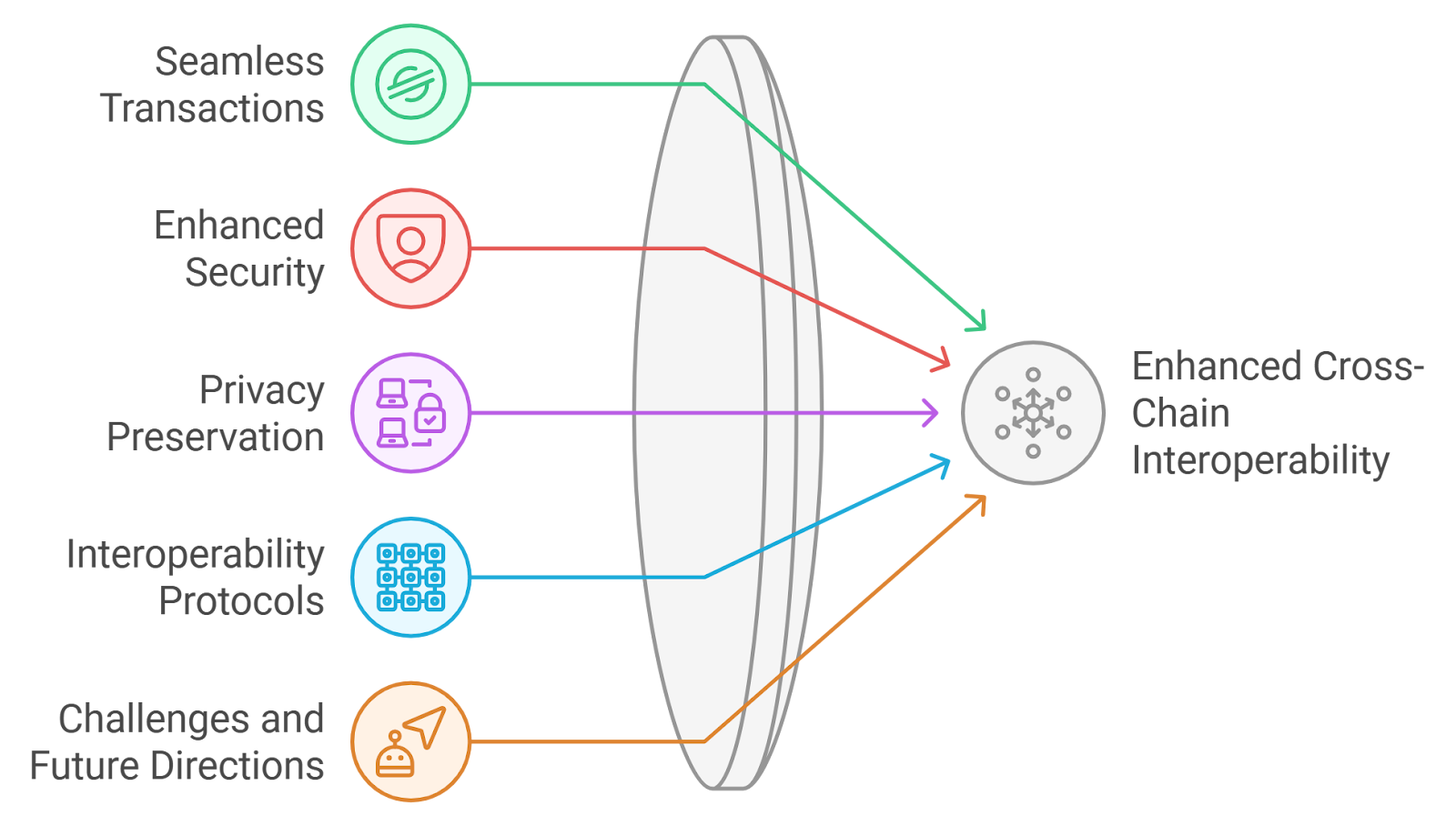
Zero Data Exposure: ZK proofs verify bounty claims without revealing sensitive info, as in zkVerify and BlockBounty private reporting.
-
Instant Fraud Detection: AI-ZK systems like NeuroZK enable real-time validation of AI tasks, combating credential spoofing.
-

Cost-Efficient Scaling: zkVerify’s blockchain supports SNARKs/STARKs for rapid, low-cost proof verification in high-volume bounties.
-
Enhanced Hunter Incentives: Secure submissions on HackenProof boost participation by protecting vulnerability details until verified.
-
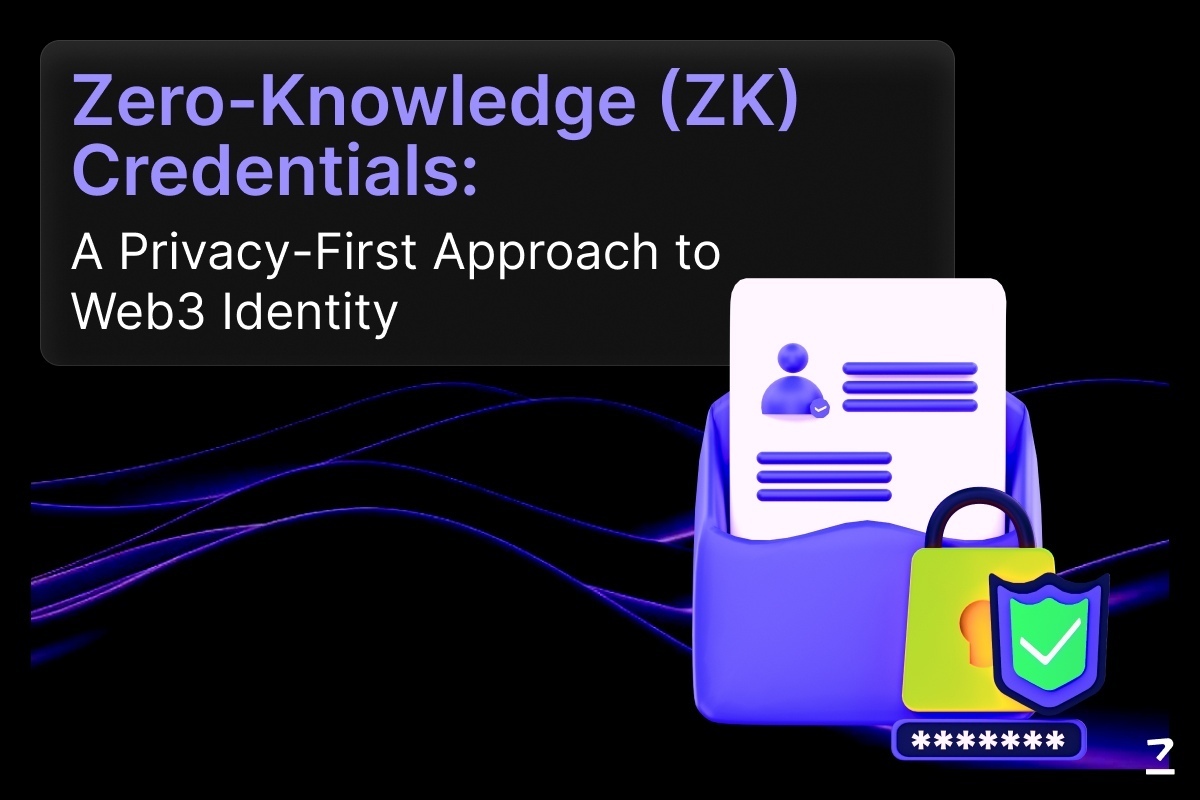
Seamless Web3 Integration: ZKPs with DID protocols and wallets enable native, privacy-first bounty verification in DeFi ecosystems.
Breaking Trust Loops with Hybrid Verification
World Whitepaper’s Orb hints at biometrics as AI-safe human proof, complementing ZK layers. InstaTunnel’s trust loop breakage tackles DID pitfalls head-on. For bounty platforms, this means hybrid systems: AI triages submissions, ZK attests validity. zkverifiedtasks. com’s zk proofs with AI analysis delivers anti-spam gold, rewarding genuine zkverifiedtasks bounty security amid rising cyber threats.
Hybrid verification isn’t just additive; it’s multiplicative in impact. AI sifts through noise, flagging anomalies in submission patterns, while ZK proofs provide the unassailable seal of authenticity. This duo empowers platforms to handle exponential growth in zk proofs web3 bounties, from DeFi exploits to NFT minting flaws, without compromising on speed or security.
Platform Spotlight: zkverifiedtasks. com in Action
At the epicenter sits zkverifiedtasks. com, the vanguard for AI task verification zk. Its architecture fuses AI’s pattern recognition with zkVerify’s high-throughput blockchain, processing proofs for tasks like smart contract audits in seconds. Bounty hunters submit encrypted results; AI cross-references against benchmarks, then ZK confirms execution fidelity. No more disputes over ‘ghost submissions’ or AI hallucinations masquerading as insights. This setup mirrors NeuroZK’s GPU validations but tailors it for bounty workflows, ensuring privacy preserving bounty verification from inception to payout.
BlockBounty’s vector-enhanced tracking adds another layer, predicting vuln clusters before they cascade. Yet, zkverifiedtasks. com distinguishes itself by democratizing access: no custom hardware like World Whitepaper’s Orb required, just a wallet and wits. In 2026’s Key Management Crisis, this simplicity proves golden, sidestepping credential spoofing via on-chain persistence.
Real-World Edge: Metrics That Matter
Quantifying the revolution, consider these shifts. Fraud rates in legacy platforms hover at 15-20%, per HackenProof analogs; ZK-AI hybrids slash that to under 2%. Scalability jumps too: zkVerify handles 1,000 proofs per second, enabling micro-bounties for everyday devs. Opinion: Investors eyeing Web3 should prioritize tokens backing such infra, as they underpin sustainable growth amid AI’s double-edged sword.
Comparison of Web3 Bounty Platforms
| Platform | ZK Support | AI Integration | Fraud Rate Reduction | Avg Payout Time |
|---|---|---|---|---|
| HackenProof | No | Partial | 10% | 7 days |
| BlockBounty | Yes | Vector Search | 12% | 3 days |
| zkverifiedtasks.com | Full SNARKs/STARKs | Deep Analysis | 98% | 30 mins |
Challenges linger, of course. Proof generation remains compute-intensive, though Lagrange’s dynamic zk-SNARKs mitigate this by updating incrementally. Cantina’s vibe coding alerts remind us: haste breeds holes. Platforms must evolve, integrating biometric anchors selectively to fortify against Humanity-identified deepfake frauds.
The Path Forward for Verifiable Futures
Looking ahead, verifiable AI web3 tasks will redefine bounties as self-regulating markets. Protocols layer ZK-ML atop DID hubs, per DappRadar’s vision, birthing agent economies where AI agents hunt bugs autonomously, proving humanity via nested proofs. zkverifiedtasks. com positions early, its anti-spam ethos fostering ecosystems where trust compounds like interest.
Ultimately, this fusion crafts resilient Web3 arenas. Developers thrive, projects harden, and fraudsters falter. In a landscape rife with synthetic threats, zero knowledge proofs bounties aren’t optional; they’re the bedrock. Platforms embracing them, like zkverifiedtasks. com, don’t just verify tasks, they verify the future.
Proof of humanity meets proof of work, seamlessly. Bounty ecosystems, fortified, propel Web3 toward unbreakable integrity.