AI and ZK Proofs for Sybil-Resistant Web3 Bounty Verification on zkverifiedtasks.com

In the bustling arena of Web3 bounties, where developers and hunters chase rewards for completing tasks, a shadow looms large: Sybil attacks. One malicious actor spins up countless fake identities, scooping up payouts meant for genuine contributors and eroding trust in decentralized systems. Platforms like zkverifiedtasks. com are flipping the script, harnessing AI task verification web3 alongside zero-knowledge proofs to deliver sybil resistant bounties that safeguard integrity without sacrificing privacy.


This fusion isn’t just theoretical; it’s a practical bulwark against fraud. Traditional bounties rely on simplistic checks like wallet uniqueness or IP tracking, easily bypassed by sophisticated bots. Enter zkverifiedtasks. com, the leading platform pioneering zk proofs bounty verification. By layering AI-driven analysis with cryptographic ZK proofs, it ensures only legitimate completions earn rewards, streamlining workflows for decentralized projects while upholding user anonymity.
The Sybil Menace Undermining Web3 Incentives
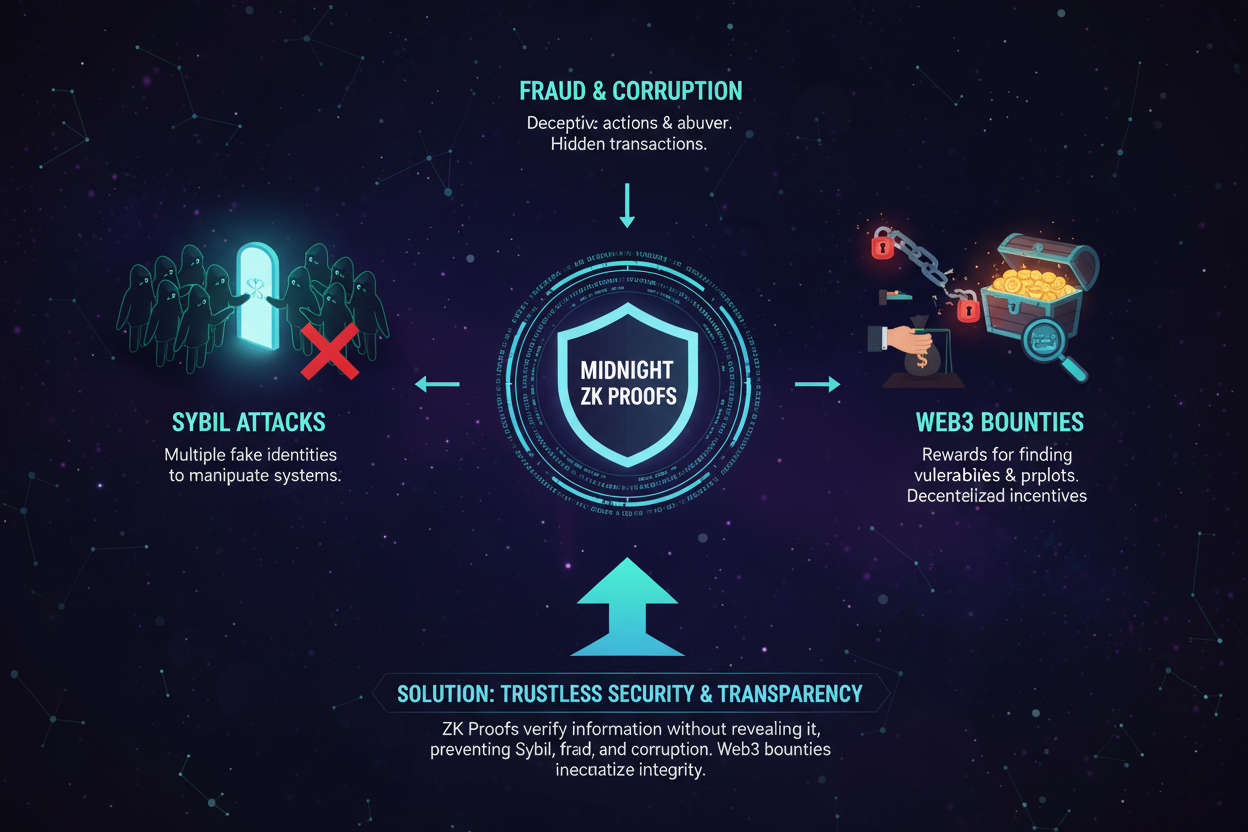
Sybil attacks exploit the pseudonymous nature of blockchains, allowing a single entity to masquerade as many. As highlighted in discussions around Proof of Personhood and ZKPassport case studies, peer-to-peer networks crumble when fake identities flood in, diluting rewards and inflating spam. In bounty ecosystems, this translates to fraud proof web3 bounties becoming elusive; hunters game systems, AI bots submit fabricated work, and projects hemorrhage funds.
Consider airdrop strategies or bounty hunts: without robust defenses, qualifying legitimately feels like navigating a minefield. Sources like Startup Defense unveil how these attacks pervade networks, with one actor potentially claiming disproportionate shares. zkverifiedtasks. com confronts this head-on, integrating insights from zkProofers and Humanity Protocol to verify human uniqueness cryptographically. No more rewarding shadows; only real value creation prevails.
AI as the Intelligent Gatekeeper for Task Legitimacy
Artificial intelligence elevates verification beyond rote checks. On zkverifiedtasks. com, AI dissects submissions semantically, evaluating code quality, output fidelity, and contextual relevance, flagging anomalies that scream automation or duplication. This mirrors trends in Sybil detection, where algorithms from sources like CoinDesk emphasize identity for secure AI interactions, preventing breaches in agent-driven economies.
Yet AI alone falters against adaptive fraud; it needs anchors. That’s where zkverifiedtasks verification shines, blending machine learning with ZK infrastructure. Inspired by zkVerify’s mainnet launch in September 2025, which slashes verification costs by over 90% versus Ethereum, the platform offloads intensive computations. ShadowML’s use case exemplifies this: confidential ML predictions validated on-chain, exposing no secrets. For bounties, AI assesses tasks privately, then ZK proofs attest to uniqueness, creating a tamper-proof audit trail.
ZK Proofs: Crafting Privacy-First Sybil Resistance
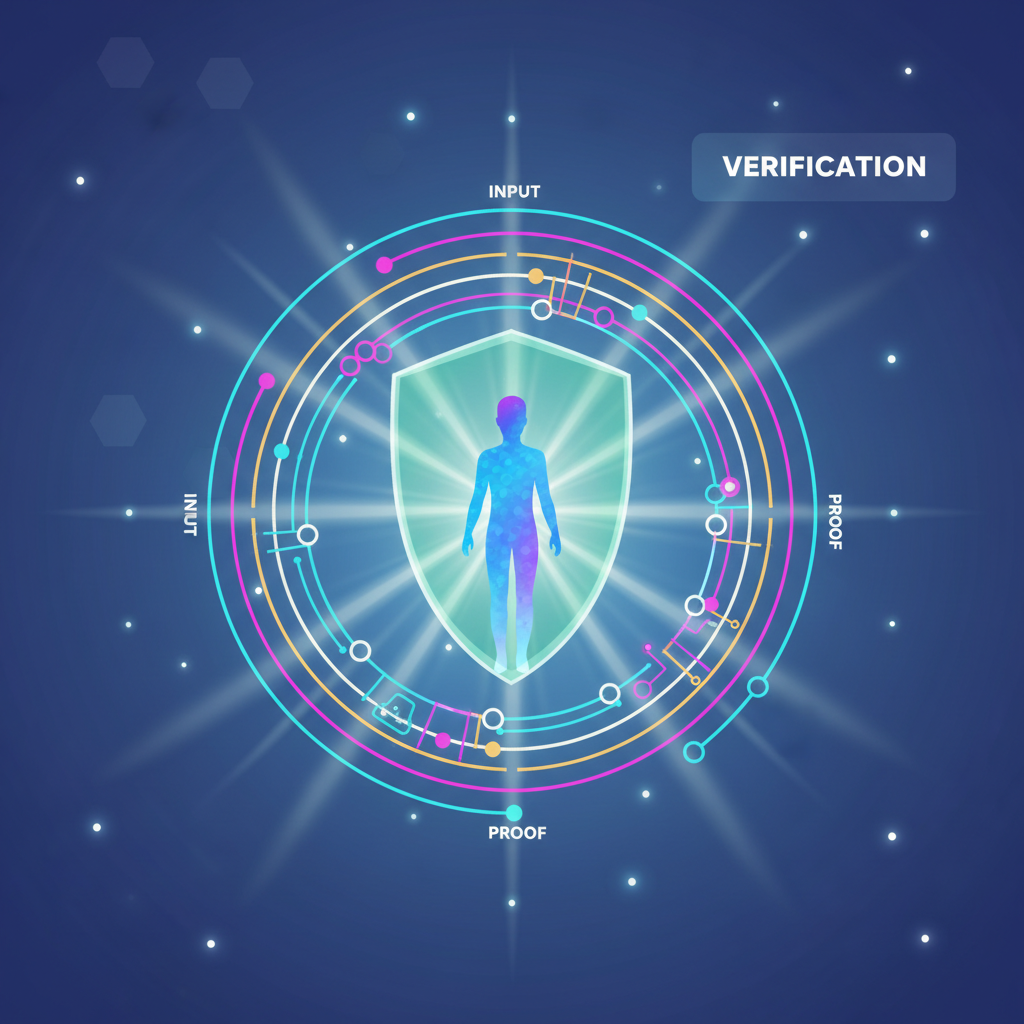
Zero-knowledge proofs represent the cryptographic pinnacle for sybil resistant bounties. Users prove attributes, like distinct personhood, without revealing identities, countering attacks outlined in Lagrange. dev’s fraud versus validity proofs breakdown. zkVerify’s dedicated blockchain, as of March 2026, empowers this by verifying ZK proofs scalably across chains, ideal for bounty protocols demanding fairness.
Platforms leveraging zkProofers or similar, as per Aztec Network insights, sidestep proof-of-work’s energy drain or stake’s centralization risks. At zkverifiedtasks. com, hunters generate ZK attestations tying submissions to unique proofs of humanity, undetectable to adversaries. This isn’t mere theory; it’s deployed reality, fostering marketplaces where AI handles nuance, ZK ensures singularity, and bounties flow to the deserving. The result? A Web3 bounty landscape resilient, efficient, and primed for explosive growth.
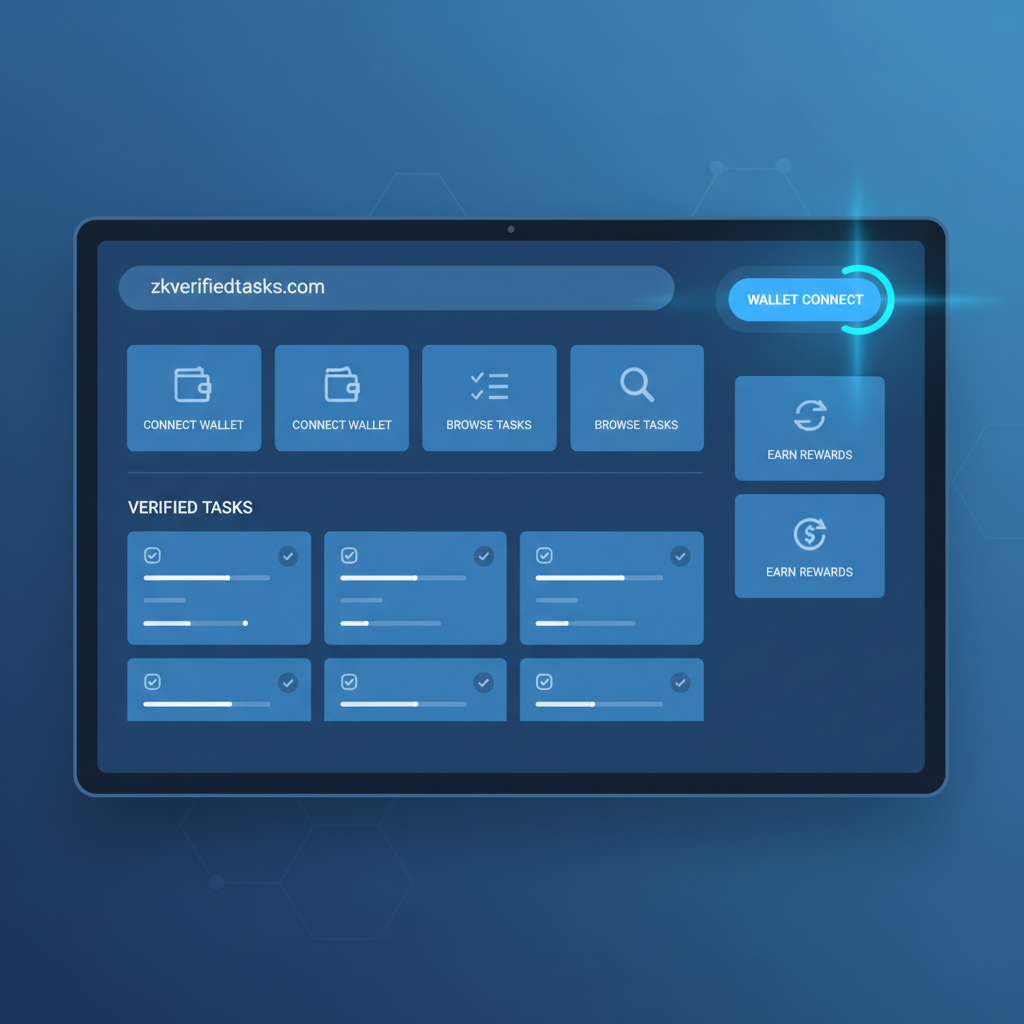
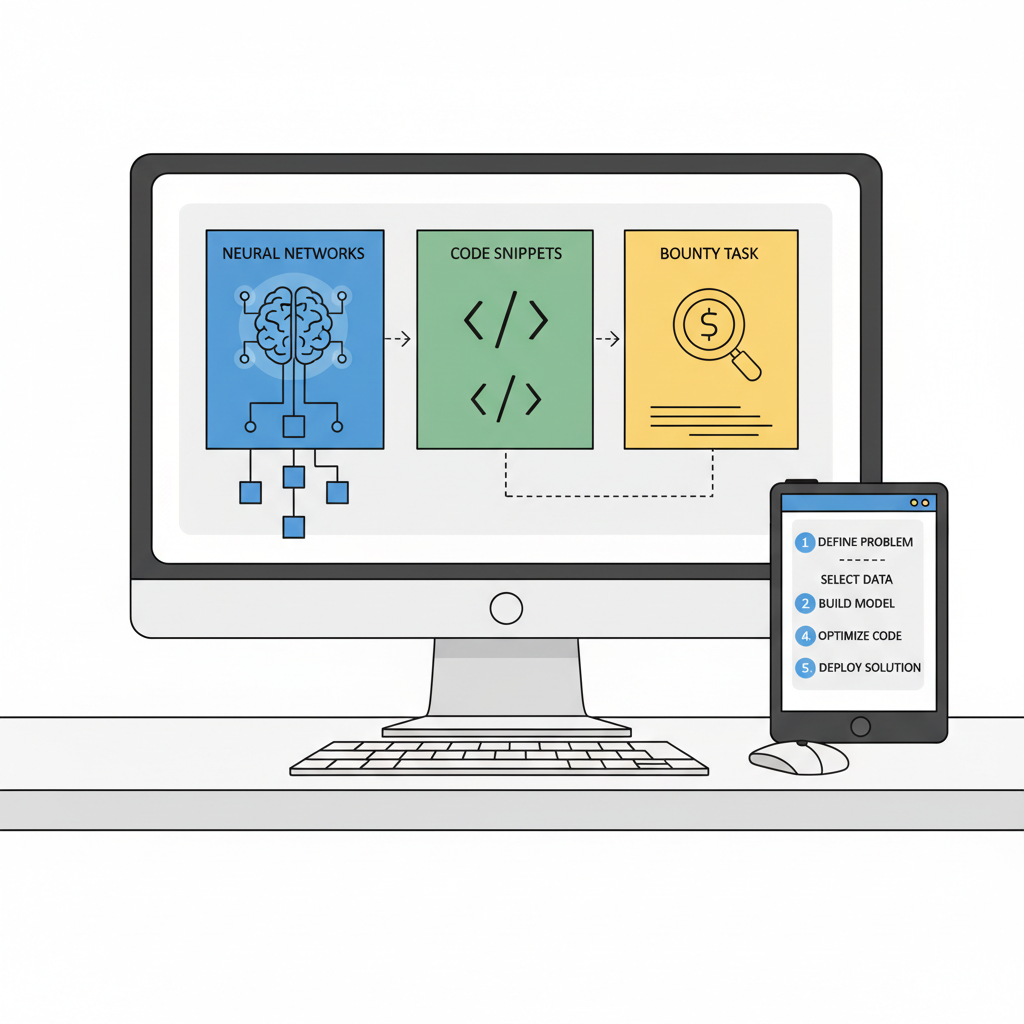
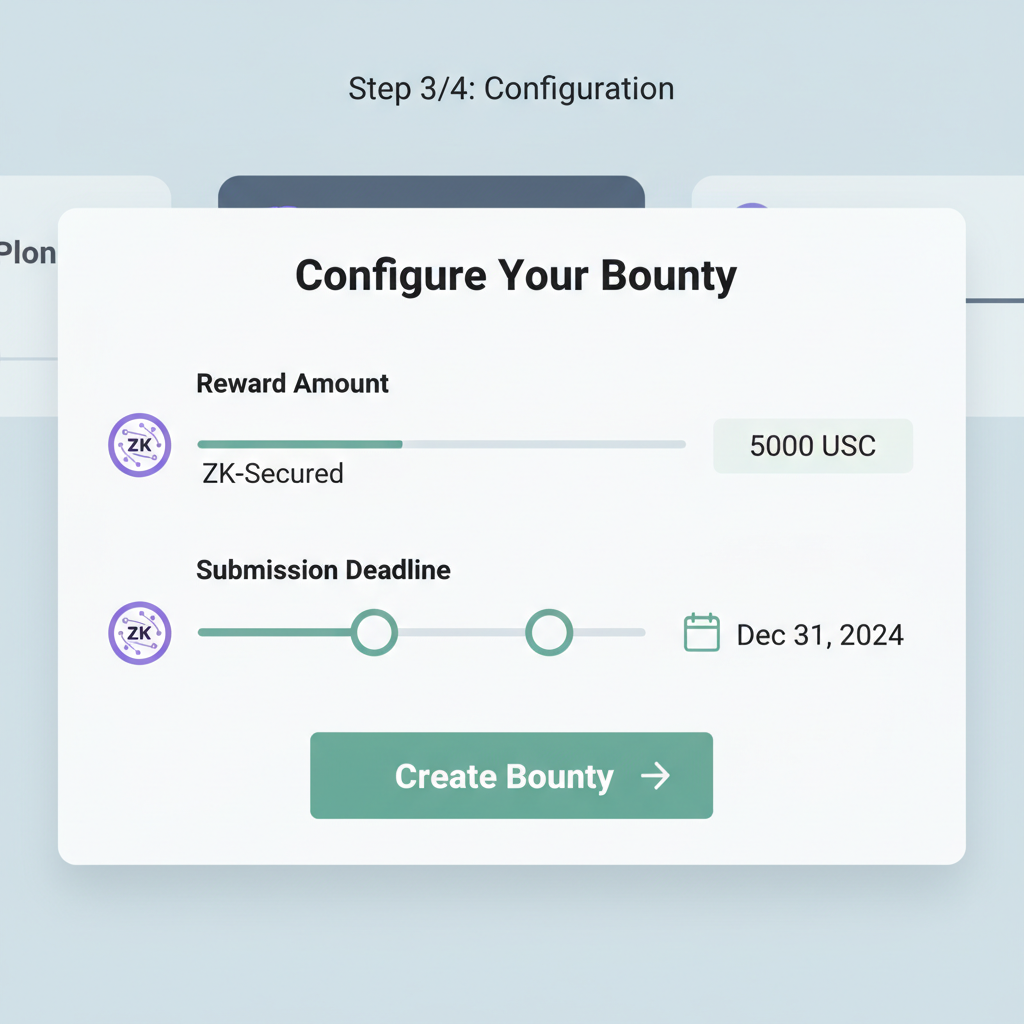
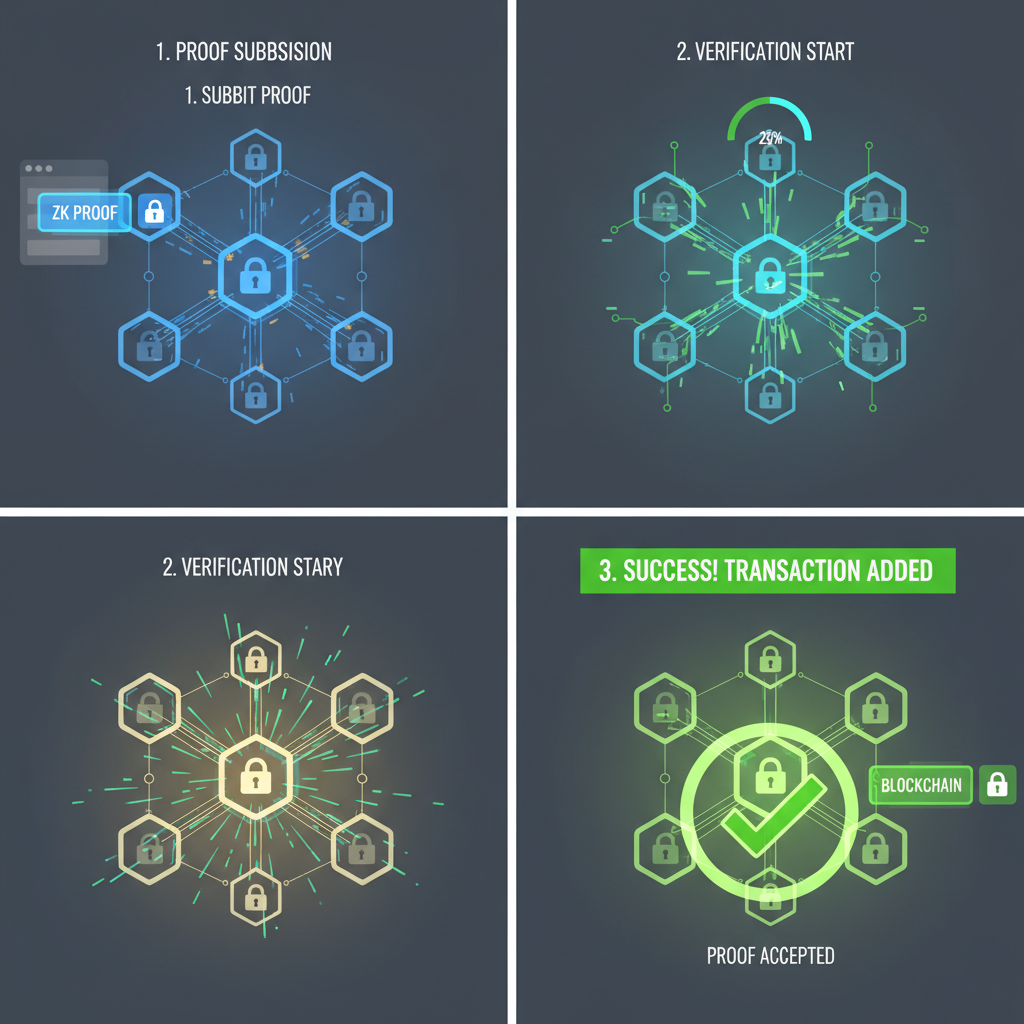
Implementing this synergy demands a seamless workflow. Bounty creators define tasks on zkverifiedtasks. com, specifying AI evaluation criteria and ZK uniqueness requirements. Hunters submit work, triggering AI scrutiny that probes for originality and competence. Passing submissions then pair with ZK proofs generated via integrated wallets or protocols like zkProofers, attesting to one-person-one-entry without doxxing details.
Real-World Impact: From Airdrops to Developer Bounties
Picture sybil-resistant airdrop strategies evolving into fortified bounty systems. Insights from CimCo Tech underscore legal qualification hurdles, now bridged by zkverifiedtasks verification. Developers launch bug hunts or content creation campaigns, confident that rewards target authentic talent. Bounty hunters, freed from cutthroat competition by fakes, focus on innovation, boosting overall ecosystem velocity.
Take zkVerify’s role: its blockchain verifies these proofs at a fraction of Ethereum costs, as noted in the March 2026 updates. This scalability supports high-volume bounties, from DeFi protocol audits to NFT curation tasks. ShadowML’s privacy-preserving ML on zkVerify hints at advanced futures, where AI models train on bounty data anonymously, refining verification over time. No wonder sources like CoinDesk flag ZK for AI agent identities; without it, interactions risk cascading vulnerabilities.
Submit Sybil-Resistant Bounties: AI + ZK Guide on zkVerifiedTasks.com
This isn’t hype; it’s measured progress against documented threats. Lagrange. dev’s analysis of fraud proofs versus ZK validity proofs reveals why interactive systems lag: they demand watchtowers, inviting centralization. ZK sidesteps this, offering non-interactive certainty. Meanwhile, Startup Defense spotlights AI’s prowess in preempting Sybil patterns, analyzing behavioral signals bots can’t mimic perfectly.
Edge Over Competitors: Quantifiable Advantages
Traditional Bounties vs. zkverifiedtasks.com
| Aspect | Traditional | zkverifiedtasks.com |
|---|---|---|
| Sybil Resistance | Weak: Vulnerable to Sybil attacks with fake identities ❌ | Strong: ZK Proofs & Proof of Personhood ensure unique human verification ✅ |
| Fraud Detection Cost | High: Expensive manual reviews and KYC | Low: 90%+ cost reduction via zkVerify blockchain 💰 |
| Privacy | Low: Requires sharing personal data | High: Zero-knowledge proofs preserve privacy 🔒 |
| Scalability | Limited: Bottlenecked by human processes | High: Dedicated ZK verification blockchain enables massive scale 🚀 |
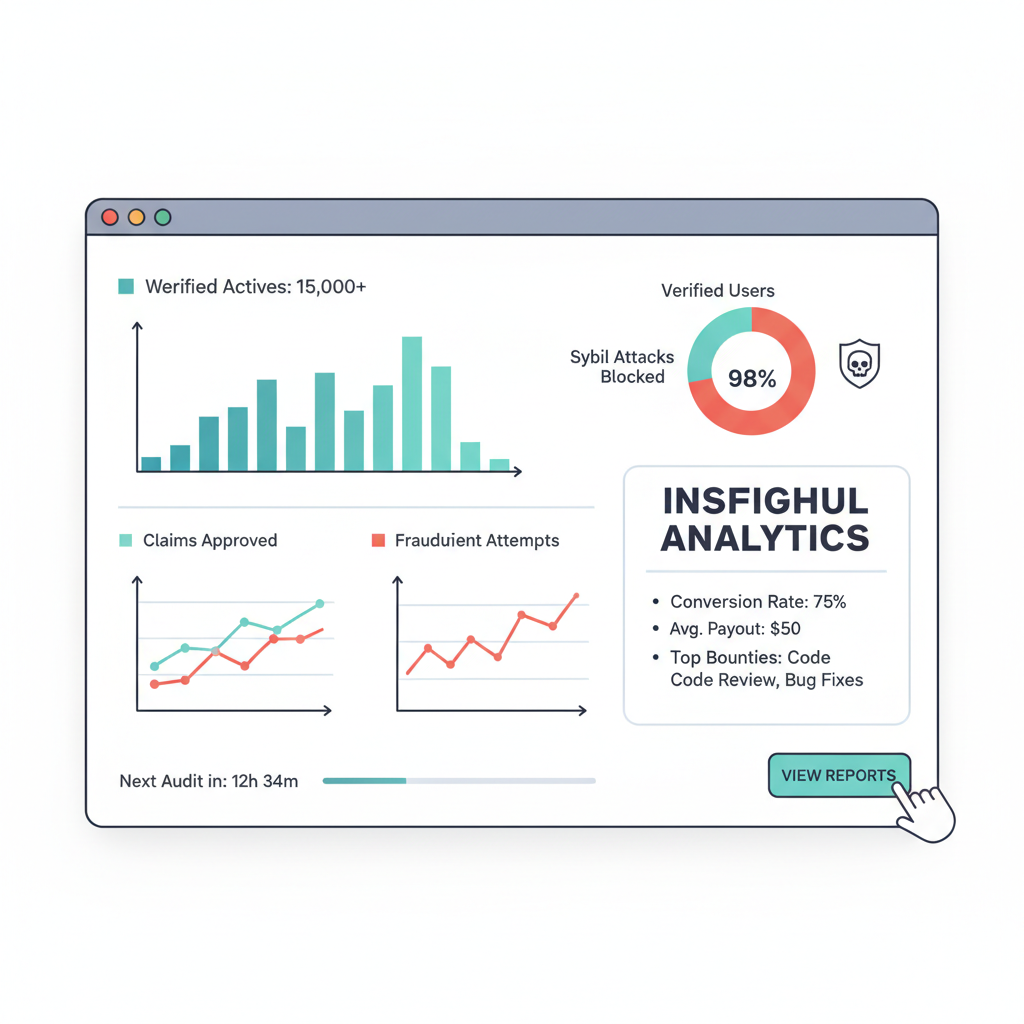
Quantify the wins: fraud plummets, as InterLink’s human-centric model prevents bot floods. Costs drop via zkVerify’s efficiency, enabling micro-bounties under $10 viable only with such tech. Privacy holds sacred, aligning with Midnight’s fraud-fighting ethos on Cardano, per Convincing Crypto discussions. For projects, this means higher ROI on incentives; for hunters, fairer shots at fraud proof web3 bounties.
Opinionated take: in my years dissecting asset flows, I’ve seen pseudonymous systems self-destruct under abuse. zkverifiedtasks. com applies diversification principles to verification – not all eggs in one basket of heuristics or stakes. It’s the free lunch of Web3 incentives: robust, low-risk reward distribution fueling sustainable growth.
Challenges persist, sure. ZK computation overhead demands optimization, but zkVerify’s dedicated chain addresses this head-on. AI false positives require human oversight loops, iteratively improving models. Yet the trajectory impresses: from Humanity Protocol’s zkProofers enhancing experiences to broader adoption in proof-of-personhood, the pieces align for mass-scale ai task verification web3.
Forward-looking, expect zkverifiedtasks. com to anchor bounty marketplaces rivaling centralized gigs like Upwork, but decentralized and verifiable. As Web3 matures, platforms ignoring Sybil risks fade; those wielding AI-ZK hybrids thrive. Developers secure talent pipelines, hunters claim deserved spoils, and the network effect amplifies. This isn’t incremental; it’s the cryptographic reset Web3 bounties crave, delivering integrity at scale.