Preventing Fraud in Web3 Bounties: AI and ZK Proofs for Accurate Task Verification

In the dynamic Web3 ecosystem of 2026, bounty programs have surged as vital tools for fueling innovation, drawing developers and security researchers to hunt bugs, create content, and validate tasks. Yet this growth invites peril: Sybil attacks, fabricated submissions, and plagiarized reports drain millions, fostering distrust among projects and participants alike. Traditional verification falters under scale, demanding a measured pivot toward technologies that safeguard integrity without sacrificing speed or privacy.


Consider the stakes. Platforms struggle with task verification web3 fraud, where bad actors exploit anonymity to game rewards. A Forbes analysis underscores how AI noise and verification delays exacerbate researcher skepticism, turning promising incentives into cautionary tales. From my vantage, honed by decades analyzing macro trends, this mirrors broader market fragilities – unchecked risks compound quietly until they erupt.
Fraud’s Insidious Grip on Bounty Ecosystems
Web3 bounties thrive on decentralization, but so does deception. Fake exploits flood queues, as seen in HackenProof’s tales of top earners navigating Web2-to-Web3 shifts amid rampant fakes. Sybil attacks multiply identities for undue claims, while plagiarized code evades scrutiny. Platforms like Remedy pioneer zk-infused models, yet without robust checks, rewards flow to imposters. This erodes the very trust bounties seek to build, much like inflationary pressures erode bond values over time – subtle at first, devastating if ignored.
AI + ZK Proofs: Securing Web3 Bounty Verification

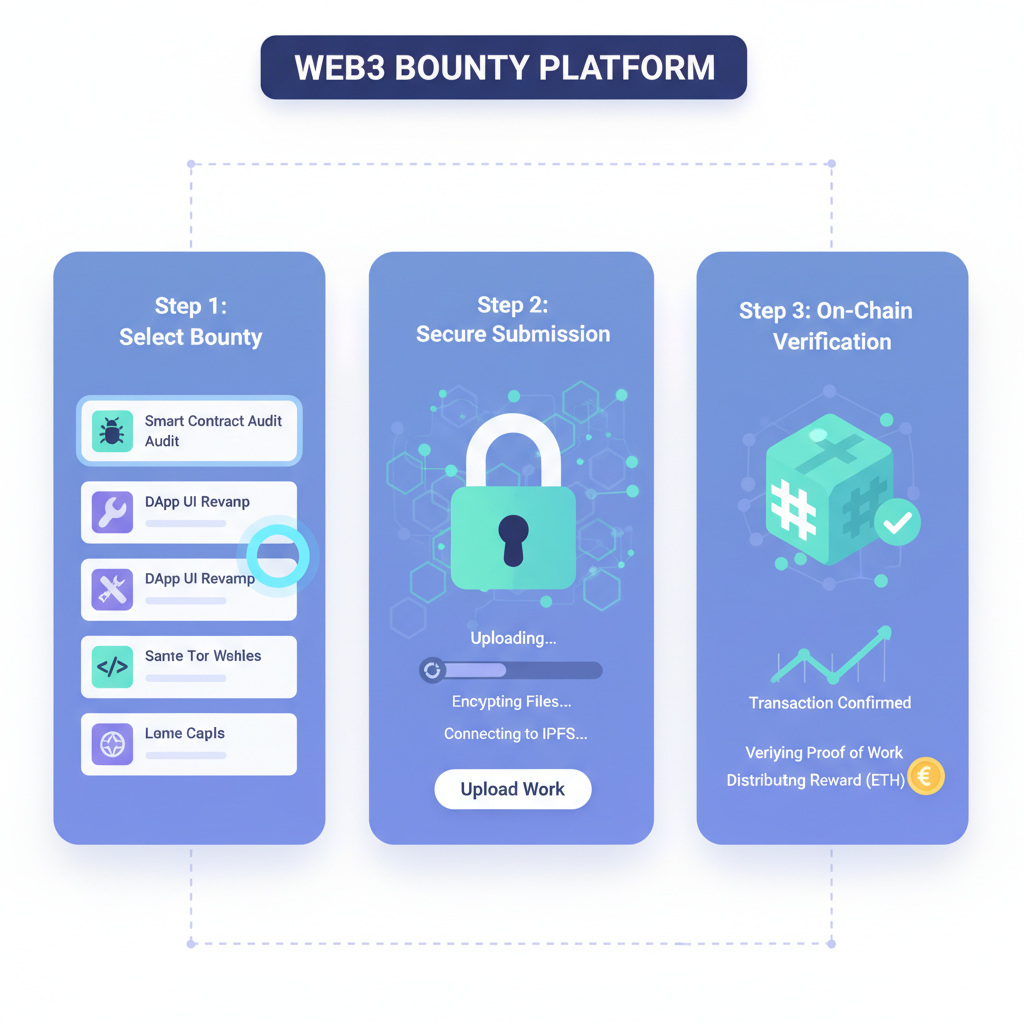
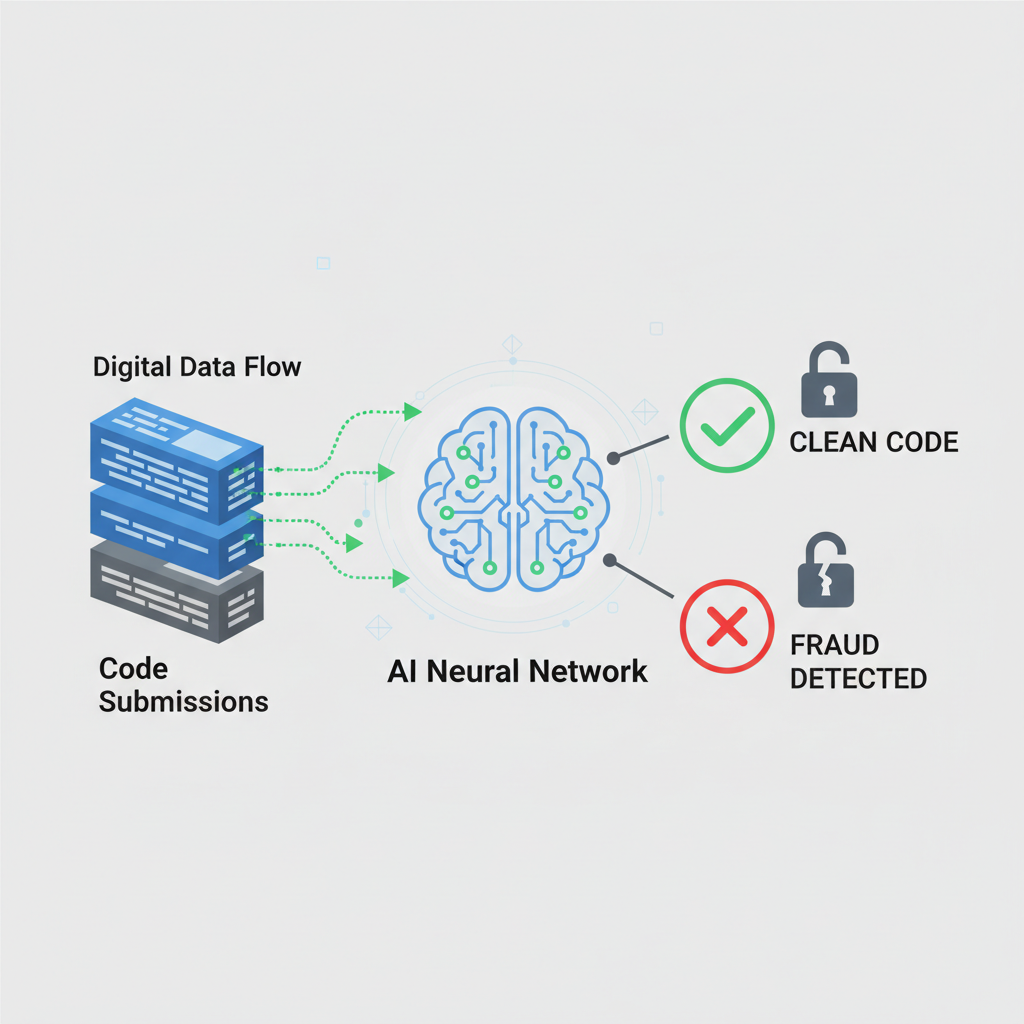
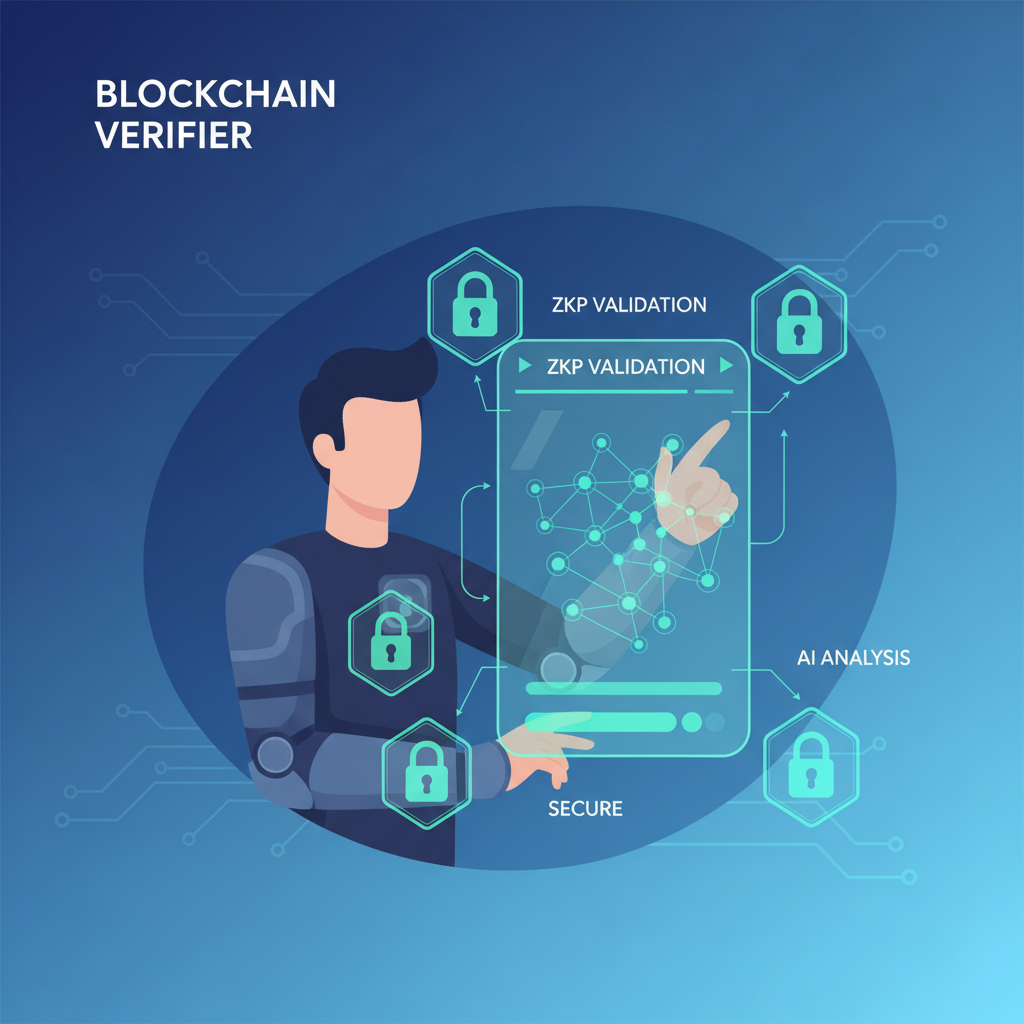

Enter a conservative yet potent alliance: AI and zero-knowledge proofs. This duo addresses core frailties head-on, promising secure web3 task rewards through verifiable truth without exposure. Platforms such as zkverifiedtasks. com lead by embedding these into workflows, filtering noise while honoring privacy – a balance I view as essential for sustainable growth.
AI’s Vigilant Eye in Submission Scrutiny
AI transforms web3 bounty verification from laborious manual review to swift, data-driven judgment. Machine learning models, trained on vast exploit datasets, dissect submissions for anomalies: semantic scans unmask plagiarism in code snippets, while transaction cross-checks validate exploit legitimacy. CUBE3. AI’s risk-scoring exemplifies this, flagging fraud preemptively in crypto flows – adaptable directly to bounties.
In practice, AI generates proof-of-concept validations and stress-tests hypotheses, as HackenProof notes for 2026 security battles. It slashes duplicate detection time, conserving resources for genuine innovators. Yet caution tempers enthusiasm; models demand perpetual retraining against sly tactics, lest they falter like overleveraged positions in volatile markets.


Zero-Knowledge Proofs: Cryptographic Assurance Without Revelation
Zero knowledge proofs bounties shine where privacy intersects proof. These protocols let claimants attest task completion – say, a unique bug fix – sans revealing proprietary details or identities. zkProofers and Q ID variants illustrate: prove age or origin selectively, mirroring ZK rollups’ scalability feats per Cyfrin fundamentals.
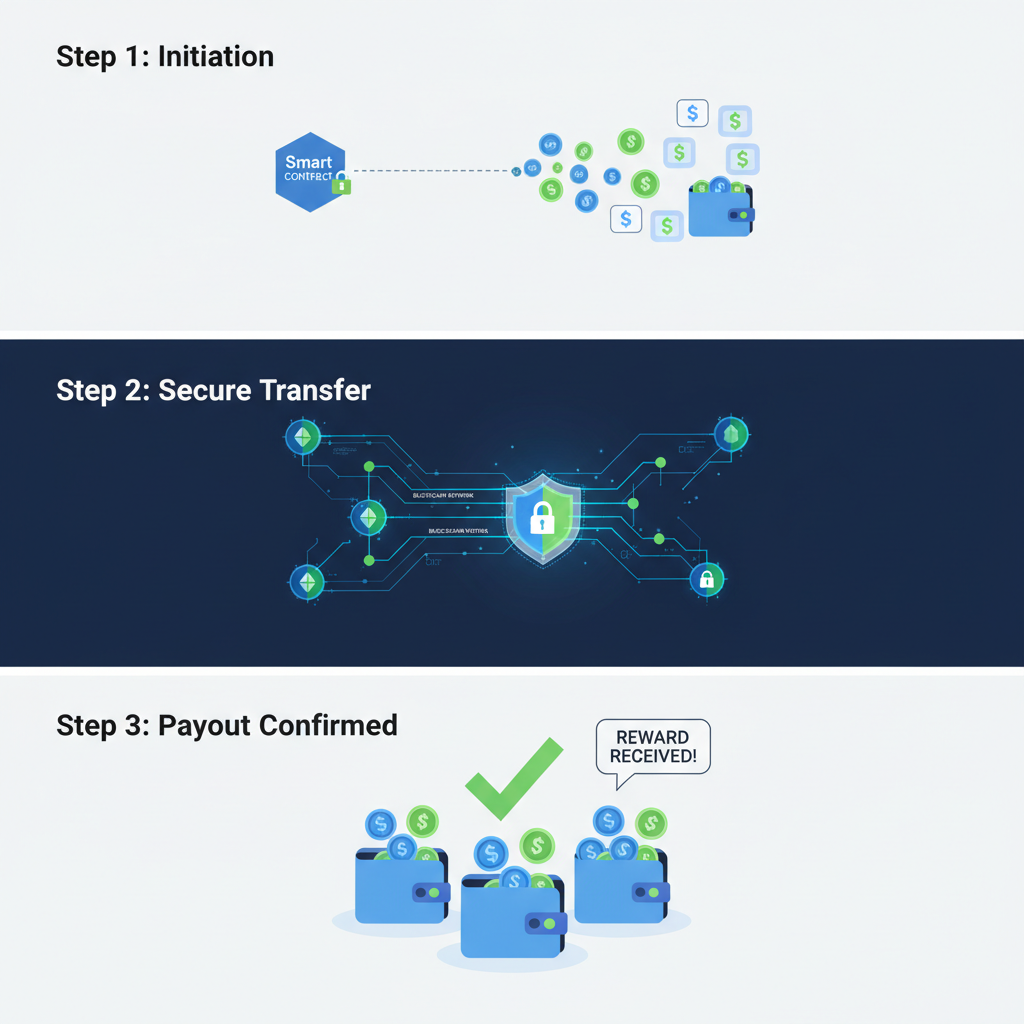
For bounties, this means verifiers confirm validity on-chain, thwarting fakes while shielding submitters. Extrimian’s AI-SSI adaptations cut fraud markedly, blending ZK with intelligence for tamper-proof flows. Still, computational heft poses hurdles; optimization remains key, much as patient capital awaits yield curves to steepen.
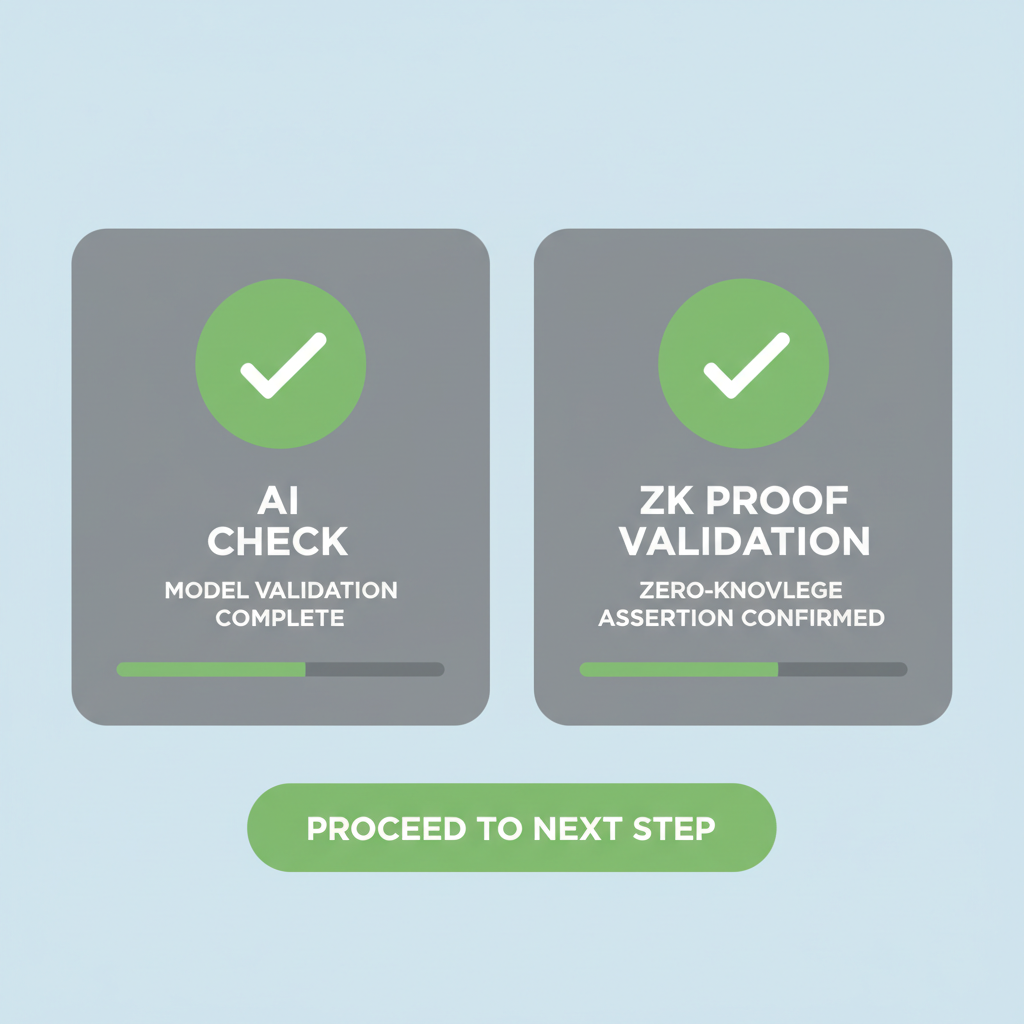
The synergy emerges clearly: AI triages, ZKPs certify. Together, they enable AI zk proofs bounties, scaling rewards sans vulnerability. Early adopters report streamlined payouts and heightened participation, hinting at a fraud-resilient future for Web3 tasks.
Platforms like zkverifiedtasks. com exemplify this fusion, deploying AI-driven triage alongside ZKPs to verify tasks cryptographically. Bounty hunters submit proofs attesting to unique completions – a fixed vulnerability or curated dataset – which AI vets for novelty before on-chain settlement. This task verification web3 fraud bulwark not only curtails imposters but fosters genuine collaboration, much as diversified bonds weather market tempests.
Case Studies: Proven Wins in the Field
Remedy’s launch, as highlighted in recent discussions, integrates zero-knowledge proofs bounties directly into its core, offering security researchers lucrative paths free from traditional gatekeepers. Early metrics suggest slashed verification times and near-eliminated fakes, with payouts scaling seamlessly. Similarly, HackenProof’s Blockian squad leverages AI for proof-of-concept refinement, turning raw findings into ironclad claims amid 2026’s hacker-AI skirmishes.
Remedy’s AI-ZK Shield: Step-by-Step Fraud Prevention in Web3 Bounties
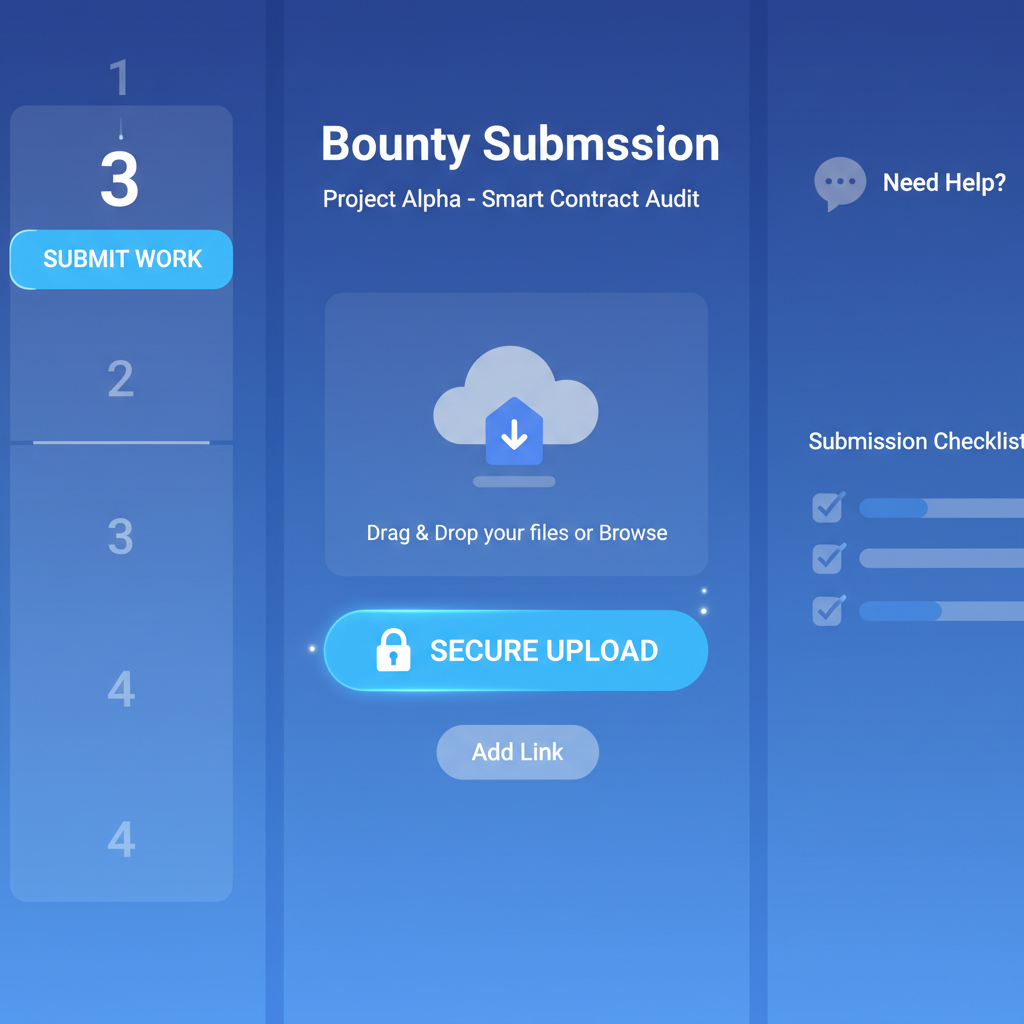
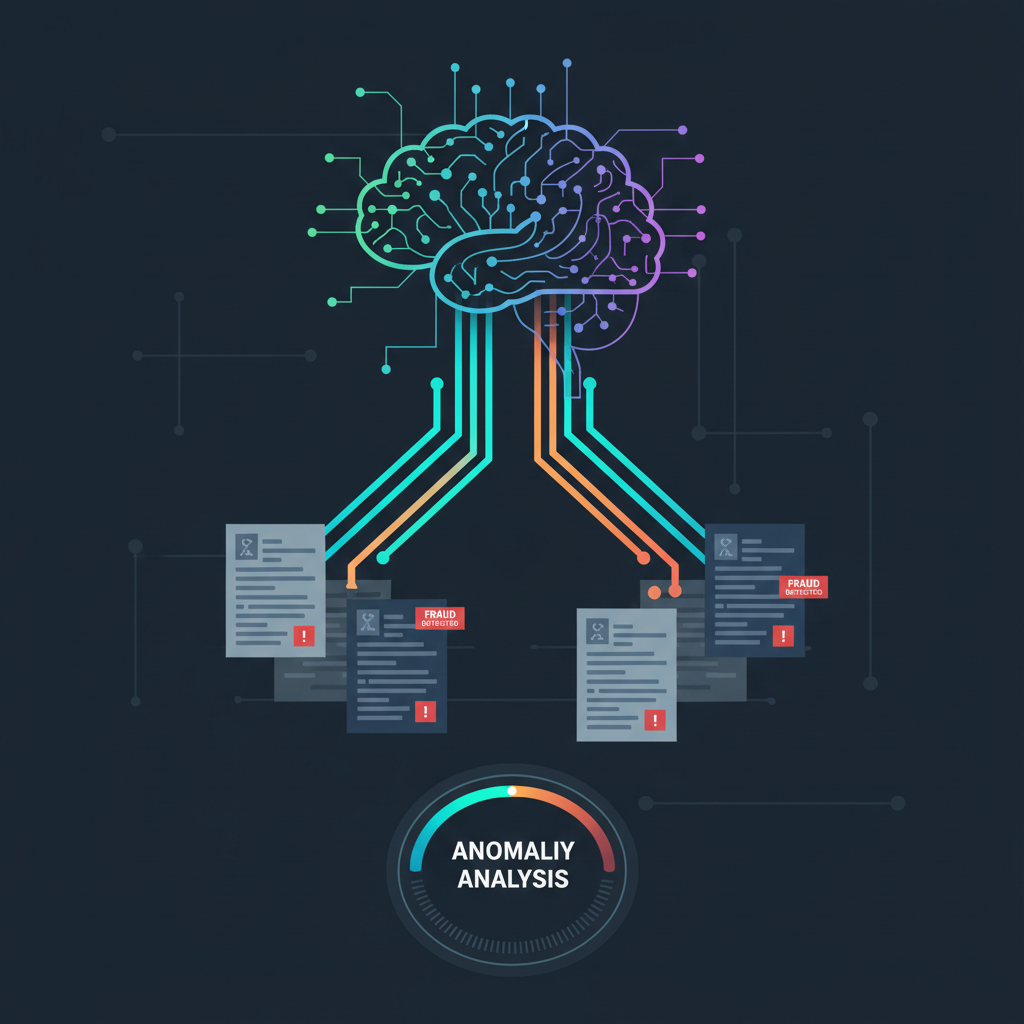
Humanity Protocol’s zkProofers extend this to identity validation, ensuring one bounty per true participant without doxxing. These implementations echo macro prudence: verify fundamentals rigorously, reward authenticity patiently. From my lens, such tools mirror inflation hedges – quiet protectors yielding compounded security over flashy alternatives.
Overcoming Hurdles: A Balanced Path Forward
No solution arrives flawless. ZKP generation demands hefty computation, potentially bottlenecking high-volume programs; AI models risk obsolescence against adaptive fraudsters. John A. ‘s zkLogin critique reminds us: proofs fortify, yet layered defenses prevail. Ancilar’s chronicle of ZK evolution underscores ongoing refinements, from math curiosities to Web3 bulwarks powering rollups and private bridges.
Yet progress accelerates. Cyfrin’s ZK fundamentals spotlight optimizations like ZK-KYC, easing Web2-Web3 transitions. CUBE3. AI’s machine learning flags threats in real-time, priming bounties for analogous vigilance. Platforms counter challenges through hybrid stacks: lightweight ZK circuits paired with edge AI, ensuring scalability without compromise. This measured evolution suits conservative strategies – build resilience incrementally, harvest enduring gains.
| Challenge | AI and ZKP Solution | Impact |
|---|---|---|
| Sybil Attacks | ZK identity proofs and AI anomaly detection | Unique claimants verified privately |
| Plagiarized Submissions | Semantic AI analysis and ZK uniqueness proofs | Fraud filtered pre-verification |
| Verification Delays | Automated AI triage and on-chain ZK settlement | Days to minutes |
| Privacy Risks | ZKPs withhold sensitive data | Trust without exposure |
These synergies position AI zk proofs bounties as indispensable for Web3’s maturation. Developers reclaim focus on creation; projects allocate rewards precisely. As adoption swells – from Extrimian’s fraud reductions to Forbes-endorsed reforms – the ecosystem hardens against predation.
Reflecting on two decades tracking resilient assets, I see parallels: just as commodities anchor portfolios through uncertainty, AI-ZKP verification anchors bounties. Patience indeed pays dividends, nurturing a landscape where innovation flourishes unhindered by deceit. Web3 bounties, fortified thus, stand poised for sustained prosperity.