Secure Workflow for Web3 Bounty Hunters with ZK Task Proofs

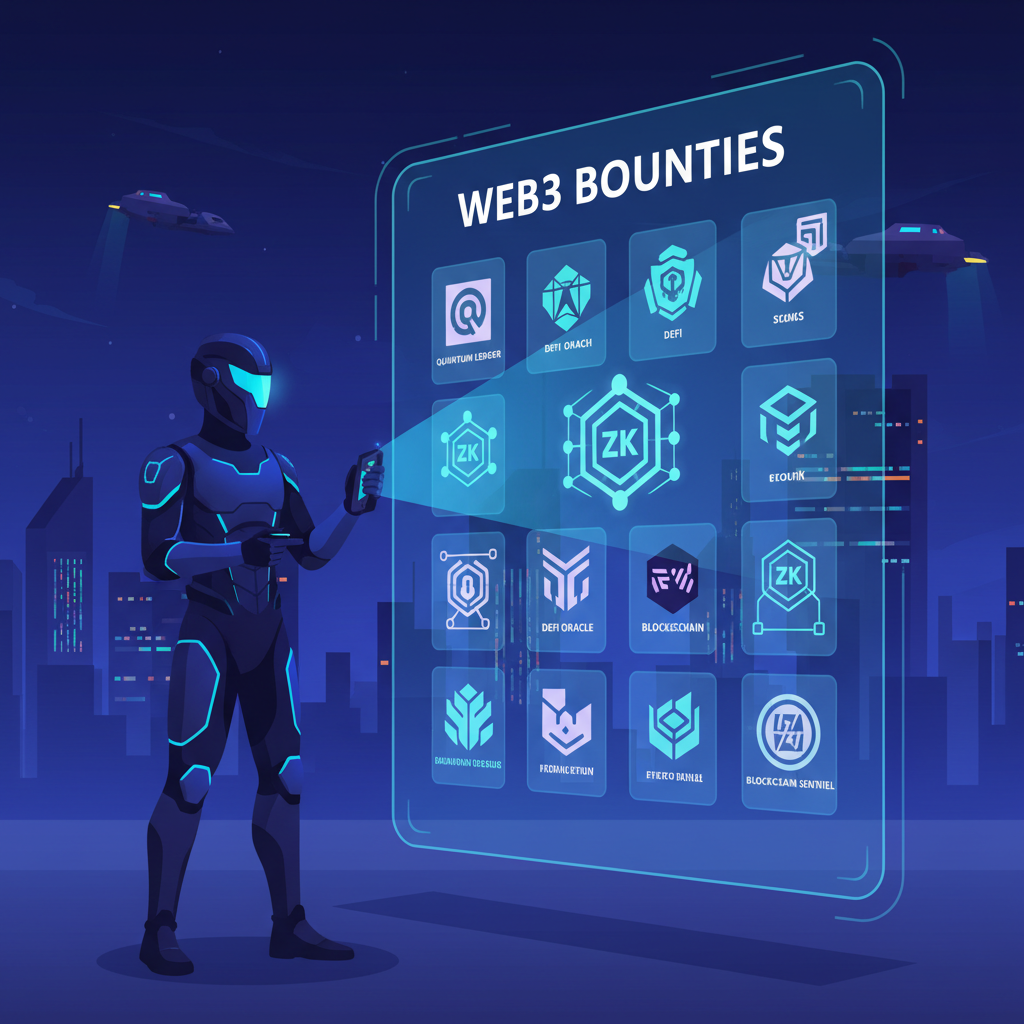
In the dynamic realm of Web3, bounty hunters operate in a high-stakes arena where verifying task completion without compromising privacy or falling prey to fraud defines success. Zero-knowledge (ZK) task proofs emerge as the cornerstone of secure workflows, allowing hunters to prove exploits or completions cryptographically while keeping sensitive details hidden. Platforms like zkverifiedtasks. com lead this charge, blending AI analysis with ZK proofs to deliver tamper-proof verification for bounties.


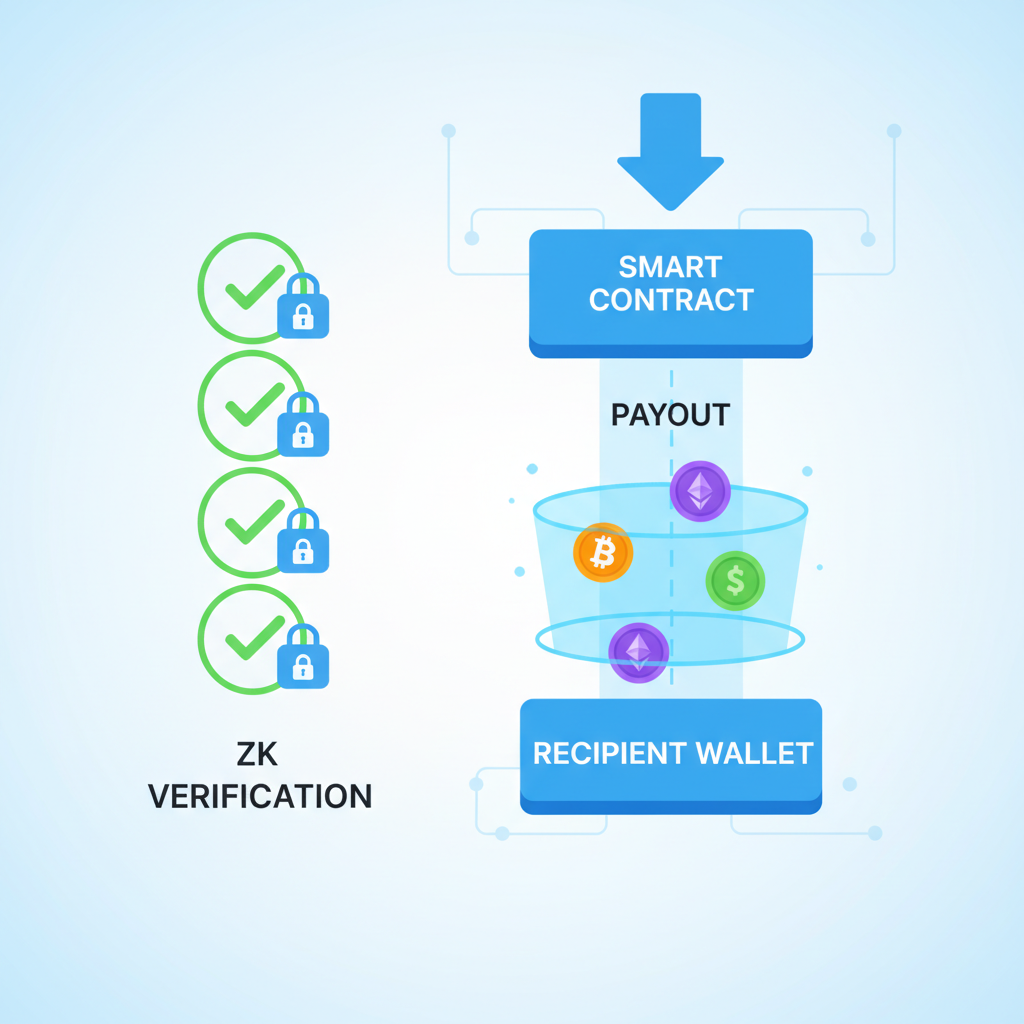
Current innovations underscore this shift. GhostBounties leverages ZK-TLS proofs for developers to validate actions such as starring repositories or merging pull requests without credential exposure. A decentralized agent checks these proofs, automating smart contract payouts on chains like Polygon and Base. BlockBounty takes it further with a fully decentralized bug bounty system, where ethical hackers submit vulnerabilities via ZK proofs for on-chain verification minus data leaks. Meanwhile, zkpoex empowers whitehats to furnish cryptographic evidence of contract flaws privately, unlocking instant rewards post-verification. These tools address longstanding pain points in Web3 bounty hunting, from steep learning curves highlighted on Reddit to the transparency deficits critiqued in Forbes.
Unraveling Trust Deficits in Legacy Platforms
Conventional bounty setups, even leaders like HackenProof, grapple with inherent vulnerabilities. Submissions often demand revealing exploits upfront, risking copycats scooping rewards or attackers exploiting disclosures prematurely. Pseudonymity exists, yet lacks ironclad proof; hashed timestamps on-chain help, but fall short against sophisticated fraud. Remedy’s ZK-infused model hints at relief, slashing competition through transparent yet private verification. Still, without native ZK integration, hunters face prover-verifier dilemmas: prove without revealing, or risk null rewards.
ResearchGate’s analysis of ZKPs nails it – these protocols let provers convince verifiers of truths sans underlying data. In Web3 bounties, this means submitting math-intensive proofs of non-coding tasks or smart contract bugs, preserving exploit secrecy until patches deploy. Reddit threads echo the frustration: mastering Web3 infrastructure atop traditional bug hunting demands herculean effort, amplified by unverified claims diluting pools.
ZK Task Proofs as the Verification Vanguard
ZK proofs transcend hype, forging secure task proofs bounties that zkverifiedtasks. com exemplifies. AI dissects submissions for legitimacy, while ZK ensures privacy-preserving attestation. Imagine hunting a vulnerability: generate a proof attesting ‘I found and replicated the bug’ without code snippets. Verifiers confirm mathematically, triggering payouts sans human bias or spam.
Forbes astutely notes bug programs cracking under these pressures; ZK mends them by enabling discreet reporting. Hashlock’s overview of top platforms reveals pseudonymity’s limits – no KYC beats encrypted, on-chain proofs. ZKML bridges AI and Web3 here, too, potentially automating proof generation for complex ML-driven bounties. My take: this isn’t incremental; it’s a paradigm flip, rewarding skill over schmoozing.
Crafting a Bounty Hunter Verification Workflow
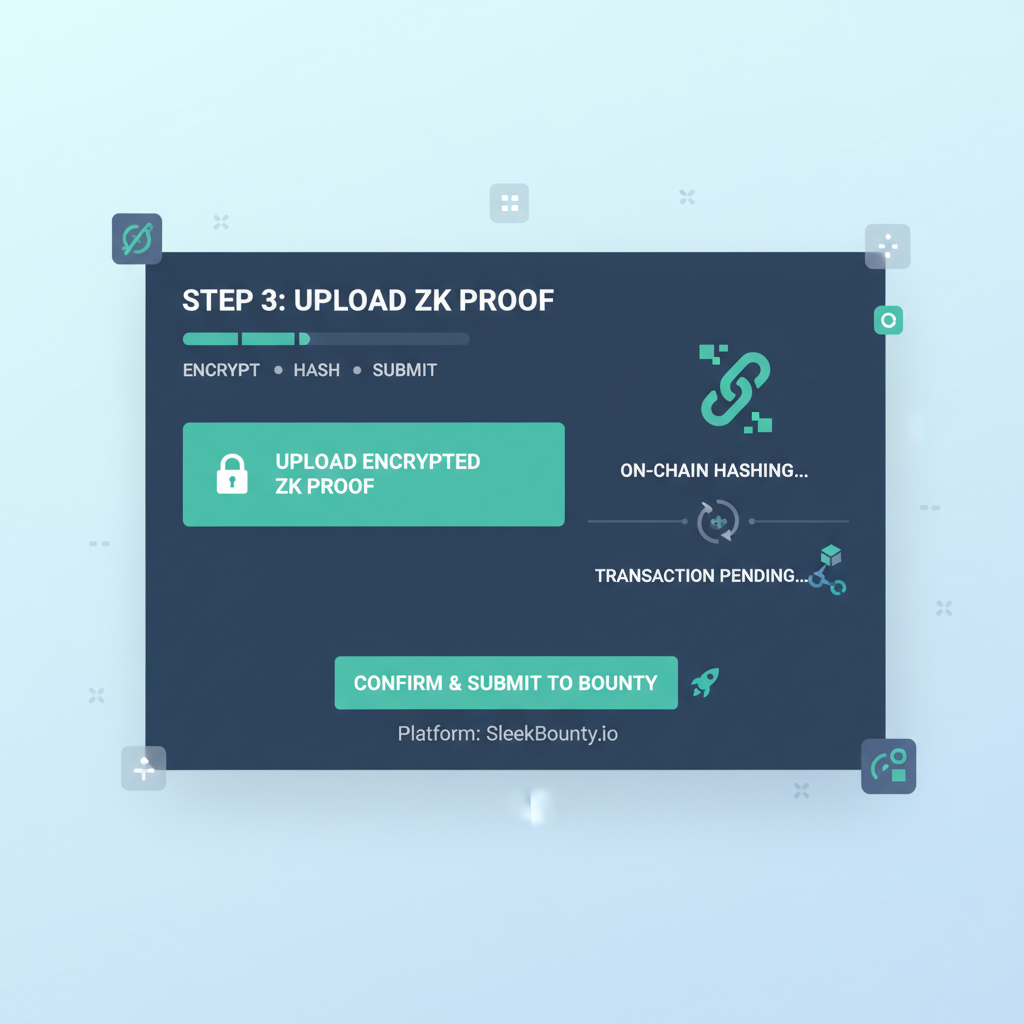
Mastering bounty hunter verification workflow with ZK demands precision. Hunters scout targets on platforms like BlockBounty, craft proofs via tools akin to zkpoex, and submit for AI-ZK dual checks. GhostBounties illustrates payouts flowing seamlessly post-proof. zkverifiedtasks. com streamlines further, curbing fraud in decentralized projects.
Secure ZK-Proof Workflow: Hunt Web3 Bounties Like a Pro