
Why ZK Verified Tasks Matter Now
Traditional gig platforms operate on a model of total exposure. To prove you are who you say you are and that you did the work, you hand over your government ID, bank statements, location history, and detailed work logs. The platform stores all of this sensitive data, creating a single point of failure for privacy breaches and identity theft. You trade your personal data for access to income, often without realizing the long-term security risks involved.
ZK Verified Tasks change this dynamic by decoupling verification from visibility. Instead of uploading raw data, you generate a zero-knowledge proof (ZKP) that mathematically confirms the task was completed correctly. As noted by Delphi Digital, ZKPs provide a "mathematically sound way to verify the correctness of computations without revealing the inputs or intermediate steps" 1. This means the platform can confirm you are eligible and that the work is valid, without ever seeing your underlying personal information.
This shift is critical for the gig economy's future. When platforms no longer need to hoard sensitive data to maintain trust, the risk of massive data leaks diminishes significantly. ZK Verified Tasks allow workers to participate in the economy with their privacy intact, proving their worth without sacrificing their personal security.
Setting Up the ZK Proof Environment
Before you can mint ZK Verified Tasks, you need a local environment capable of generating and verifying zero-knowledge proofs. This setup involves installing the necessary cryptographic libraries, configuring the zkVerify node, and linking your development wallet to the testnet. The goal is to create a secure bridge between your local code and the proof verification layer.
Start by installing the zkVerify Command Line Interface (CLI) and the Software Development Kit (SDK) for your preferred language. The CLI handles node communication, while the SDK provides the cryptographic primitives needed to generate proofs locally. Run the standard installation command via npm or yarn to ensure you have the latest stable version. This step prepares your machine to interact with the zkVerify modular proof verification layer.
Next, configure your environment variables to point to the zkVerify testnet endpoint. You will need to set the RPC URL and your private key securely. This connection allows your local application to submit proof verification requests. Ensure your node is synchronized with the latest block height to avoid latency issues during proof submission. A stable connection is critical for accurate task validation.
Finally, link your development wallet to the task oracle contract. This step authorizes your wallet to sign and submit ZK Verified Tasks on behalf of the freelancer. Use the SDK to initialize the oracle instance with your wallet address. Once linked, you can begin generating proofs for completed tasks, ensuring that the verification process remains decentralized and privacy-preserving.
Generating the proof of completion
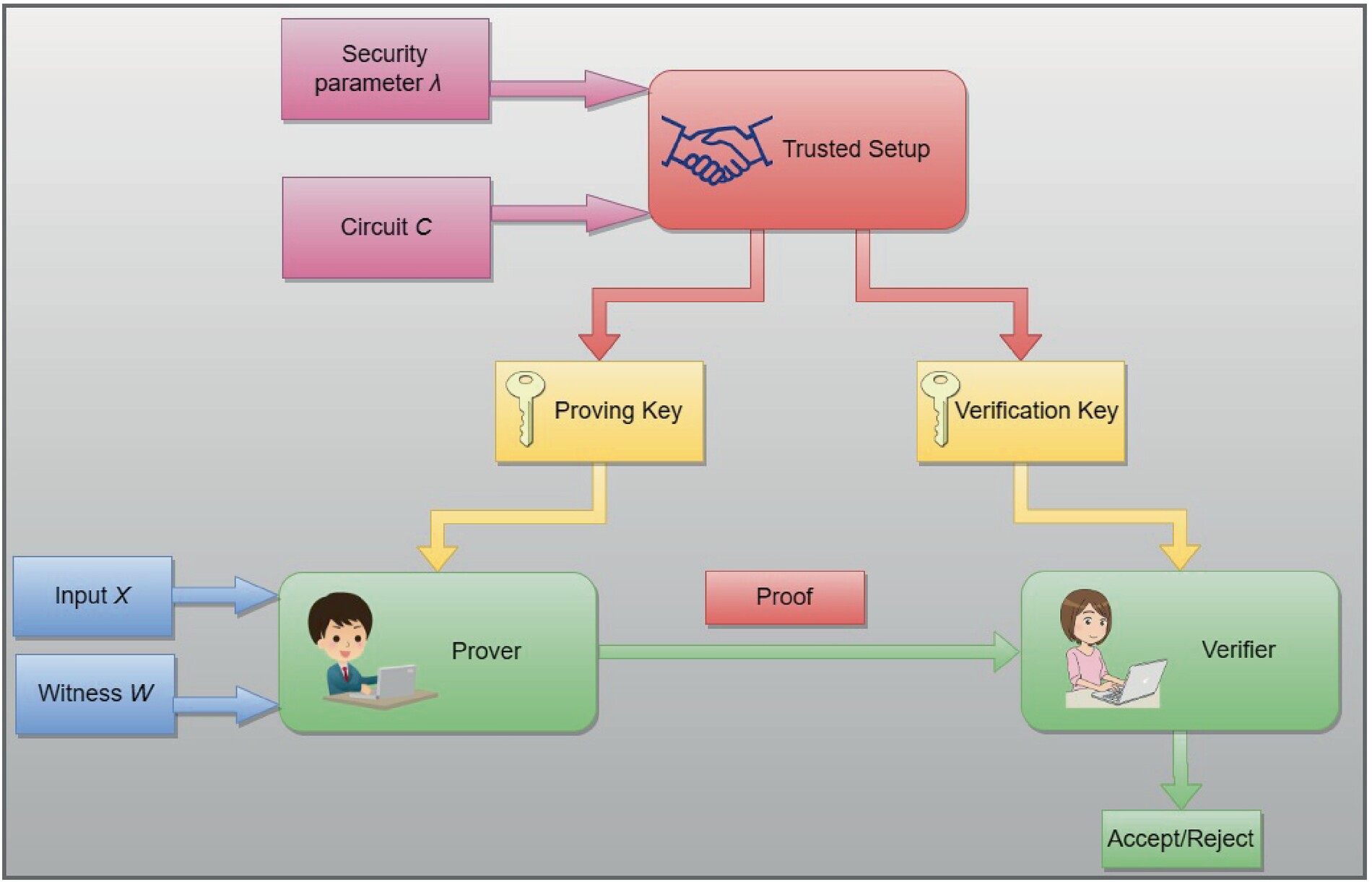
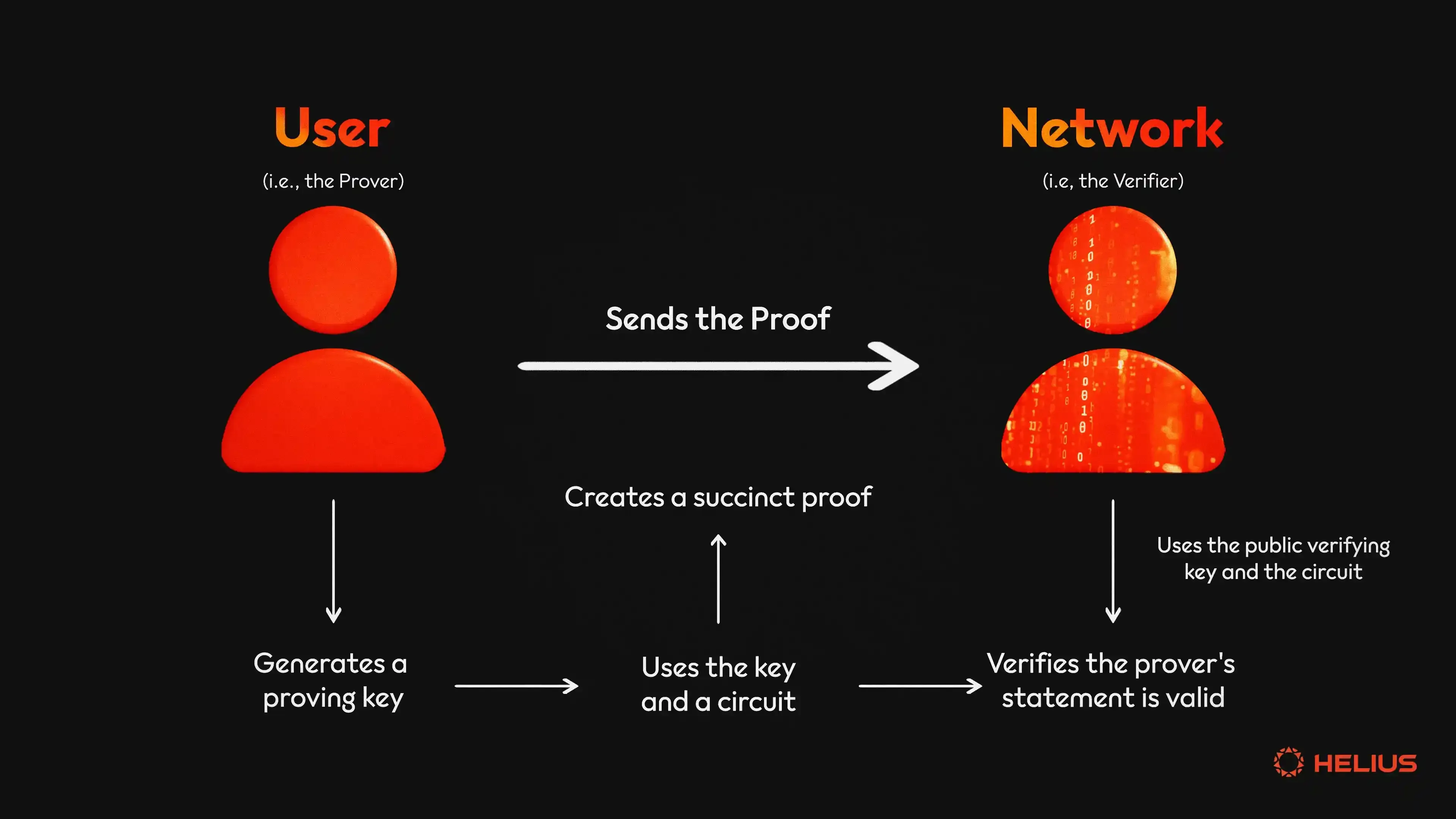
The freelancer’s platform or local device acts as the prover. It takes the raw task data—such as a completed code commit, a delivered design file, or a verified GPS check-in—and runs it through a circuit. This circuit defines the exact rules for a successful task. If the data meets every condition, the system generates a ZK proof. This cryptographic artifact confirms the task was done correctly without exposing the actual work product or personal details.
The proof is then submitted to the ZK Verified Tasks protocol. The network’s verifiers check the mathematical validity of the proof. Because the verification process is zero-knowledge, the network confirms the work is valid without ever seeing the underlying data. This ensures the freelancer gets paid for their effort while keeping their specific methods and client information private.
The system first establishes a circuit, which is a set of logical rules that define what a completed task looks like. These rules are encoded into a program that the prover can execute. The circuit specifies exactly what data is needed to prove completion, such as a valid signature or a matching hash, without requiring the raw data itself to be public.
The freelancer performs the work on their own device. Instead of uploading the actual deliverable, they feed the task data into the pre-defined circuit. The circuit processes the data locally, checking if it meets the required conditions. This step ensures that sensitive information, like client contact details or proprietary code, never leaves the freelancer’s secure environment.
Once the circuit confirms the task is valid, the prover generates a zero-knowledge proof. This proof is a small, complex cryptographic file that mathematically guarantees the data satisfied the circuit’s rules. The proof contains no raw data; it only contains the mathematical evidence that the task was completed correctly. This is the core of ZK Verified Tasks, allowing verification without exposure.

The freelancer submits the proof to the blockchain or verification layer. Smart contracts or dedicated verifiers check the proof’s validity. If the proof is mathematically sound, the network accepts it as evidence of completion. The system then triggers the next step, such as releasing payment, without ever needing to see the actual work product or the freelancer’s personal identity.
This process creates a trustless environment where work is verified but privacy is preserved. The freelancer retains control over their data, and the client receives a guaranteed standard of completion. By using ZK Verified Tasks, the gig economy can move beyond simple reputation systems to a model where proof of work is both secure and private.
Verifying on the Blockchain Layer
How ZK Verified Tasks Secure Privacy in the Gig Economy works best as a clear sequence: define the constraint, compare the realistic options, test the tradeoff, and choose the path with the fewest hidden costs. That order keeps the advice usable instead of decorative. After each step, pause long enough to check whether the recommendation still fits the reader's actual situation. If it depends on perfect timing, unusual access, or a best-case budget, include a simpler fallback.
Common Mistakes in ZK Task Verification
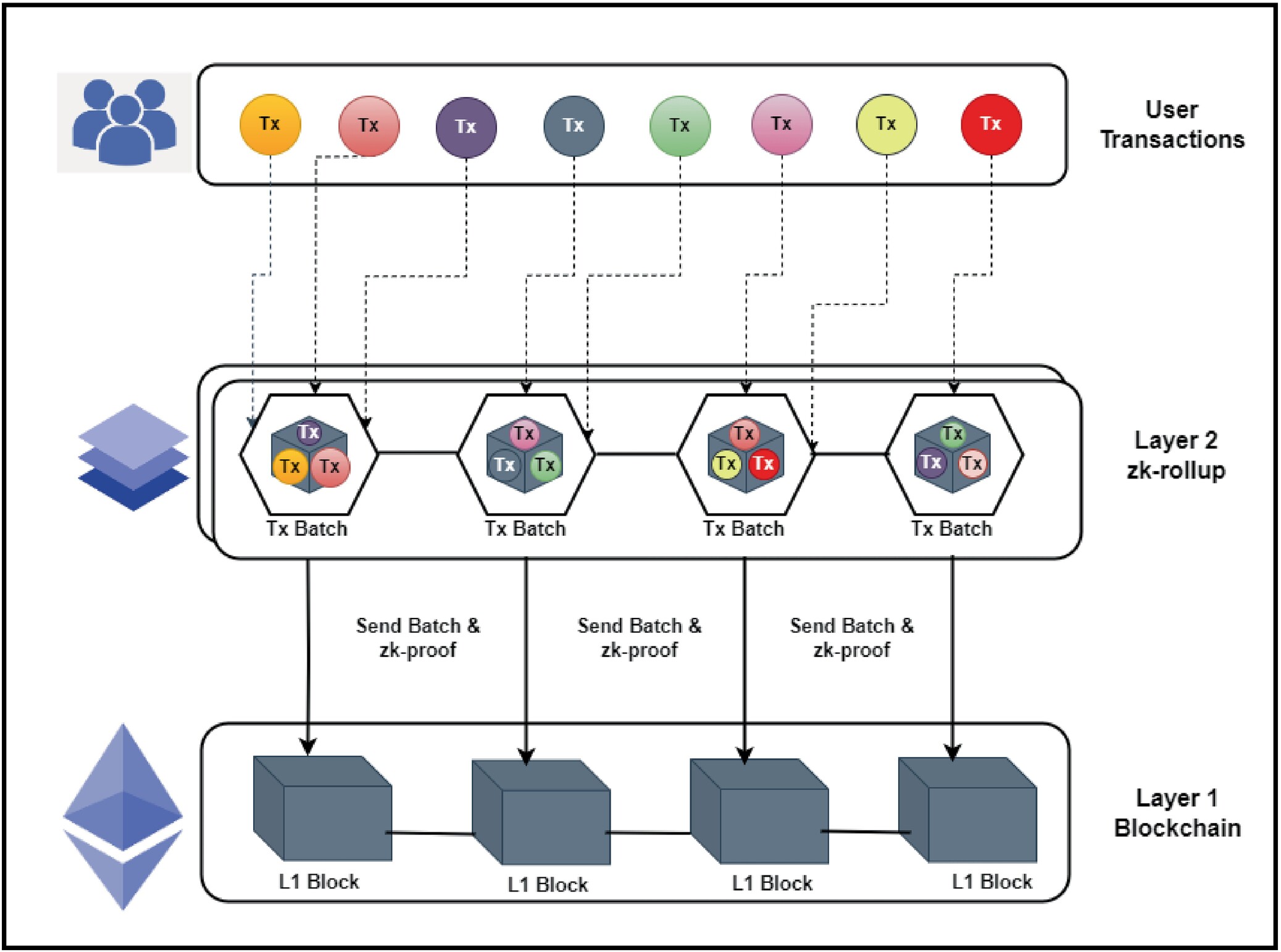
Even with robust protocols, ZK Verified Tasks can fail if the underlying setup is flawed. The most frequent error is building circuits that are too complex for the target blockchain. When a circuit exceeds the gas limits or computational constraints of the verification layer, the task stalls, leaving the gig worker unpaid and the employer’s data exposed. Keep your circuits minimal to ensure they fit within the blockchain’s capacity.
Gas cost miscalculations are another common pitfall. On-chain verification requires significant computational resources, and underestimating these fees can drain a project’s budget. As noted by Horizen Labs, verifying ZK proofs on-chain can be expensive without proper optimization. Always model gas costs before deploying to mainnet to avoid unexpected expenses.
Review your circuit logic to ensure it does not exceed the computational limits of the verification layer. Simplify constraints where possible to reduce gas usage.
Calculate the exact gas required for verification on your target chain. Use testnets to simulate costs and adjust your budget accordingly before mainnet deployment.
ZK Verified Tasks Implementation Checklist
Before launching your ZK Verified Tasks workflow, audit your stack against these five security and efficiency benchmarks. This sequence ensures that privacy-preserving verification scales without compromising platform integrity.
- Test circuits rigorously: Run full unit and integration tests on your ZK circuits. Ensure that edge cases in gig economy data (like partial work logs) are handled correctly.
- Optimize gas costs: ZK proofs can be expensive to verify on-chain. Use efficient constraint systems and consider off-chain verification layers to keep transaction fees low.
- Verify proof validity: Implement a robust verifier contract that checks proof correctness without revealing underlying user data. This is the core of ZK Verified Tasks.
- Audit smart contracts: Have your verification contracts reviewed by independent security firms. Zero-knowledge systems require high assurance to prevent exploits.
- Monitor performance: Track proof generation and verification times. Ensure the system can handle peak gig economy activity without bottlenecks.
No comments yet. Be the first to share your thoughts!