
Prerequisites for ZK Verified Tasks
Before building, confirm you actually need zero-knowledge proofs. zkVerify is a specialized infrastructure layer, not a universal fix for every privacy gap. If your freelance workflow only requires basic identity verification, standard cryptographic signatures are faster and cheaper. Reserve ZK tools for scenarios where proving eligibility without exposing personal data is the core requirement.
You also need to decide on a verification backend. ZK-Rollups instantly verify transactions using zero-knowledge proofs, offering faster finality without revealing transaction details. In contrast, Optimistic Rollups assume transactions are valid unless challenged within a specific window, which adds a delay for potential disputes. Choose ZK-Rollups for high-volume, low-latency task verification; choose Optimistic for lower-volume tasks where dispute resolution is more critical than speed.
Finally, ensure your development environment supports the specific proof system you plan to use. Some frameworks require heavy computational resources for proof generation. If you are building for mobile or edge devices, verify that the chosen ZK library can run efficiently on limited hardware. The cost of generating proofs can quickly outweigh the benefits if the infrastructure is not optimized for your specific scale.
Walk through the steps
Setting up zero-knowledge verified tasks requires moving from abstract privacy claims to concrete cryptographic proof. You are not just hiding data; you are proving its validity without exposing the underlying details. This process involves generating a proof on the client side, submitting it to a verifier, and confirming the result on-chain or in a secure database.
The workflow mirrors a lock-and-key system where the key (the proof) confirms you have the right access without showing the key itself. Below is the ordered sequence to implement this in a 2026 remote work context.
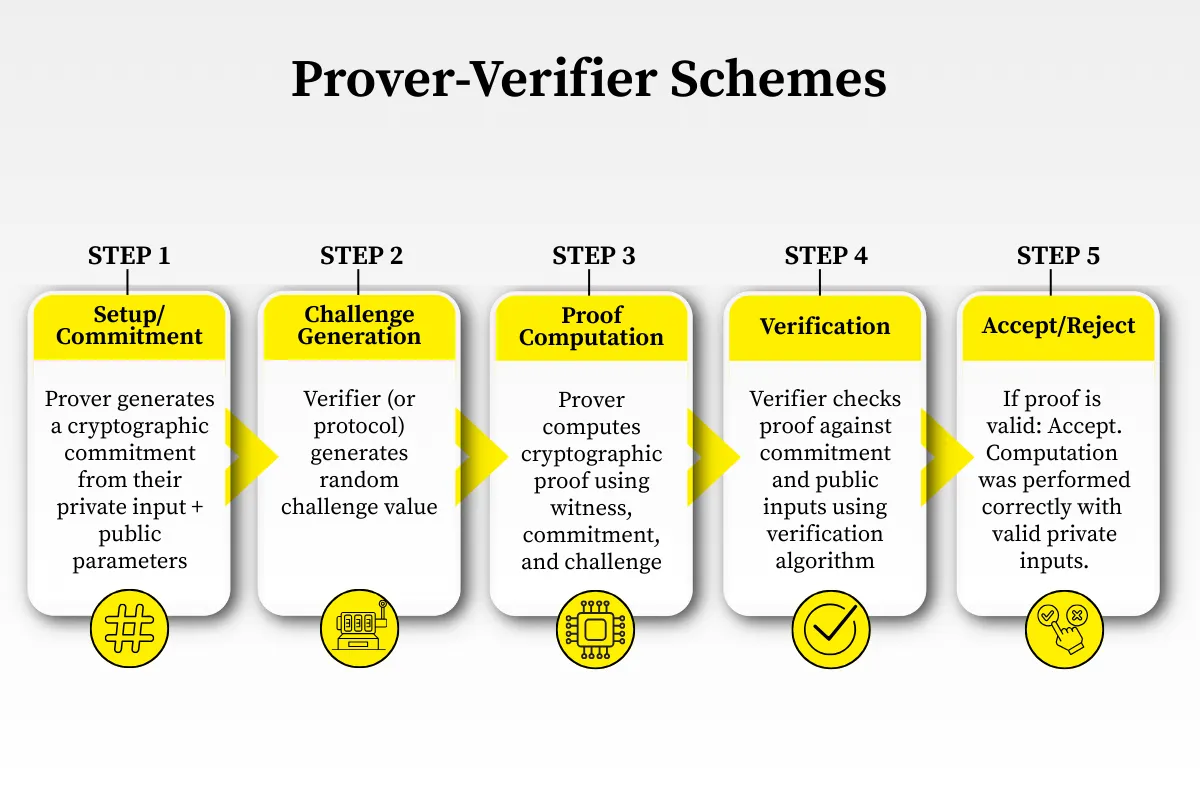
Before writing code, identify exactly what data must remain private and what must be public. In freelancing, this might mean proving you have a valid certification or a minimum credit score without revealing your full name or account history. Define the public inputs (what the verifier sees) and private inputs (what remains hidden). This step prevents over-engineering and keeps the proof generation lightweight.
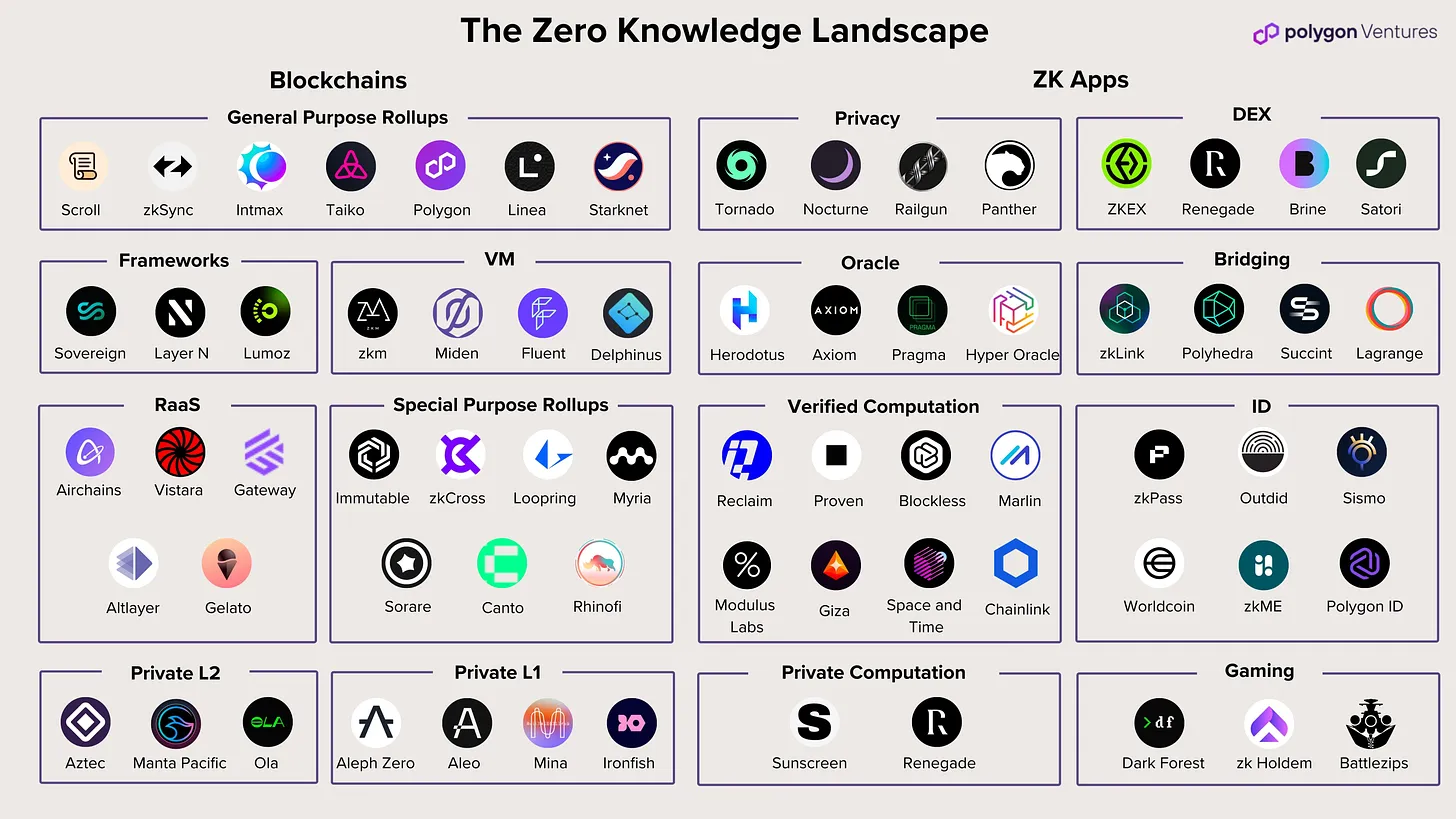
Choose a cryptographic circuit framework that matches your language stack and performance needs. Popular options include Circom, Halo2, or SnarkJS. For web-based freelancing platforms, libraries like Semaphore or Semaphore-protocol offer higher-level abstractions that simplify identity management. Ensure the framework supports the specific type of proof you need, such as SNARKs or STARKs, depending on your tolerance for trusted setup requirements.
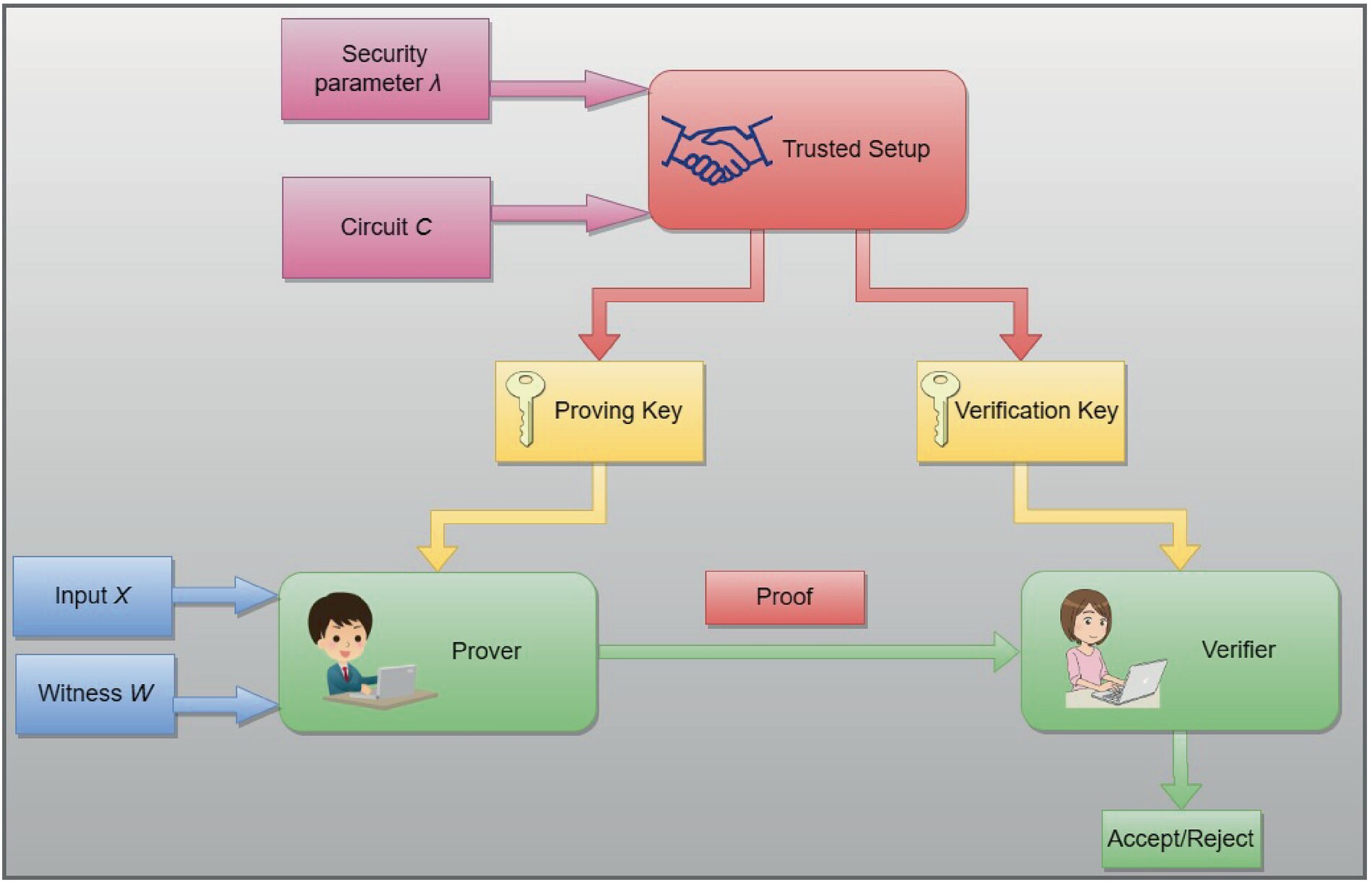
Encode your privacy rules into a circuit. This is a program that takes private and public inputs and outputs a proof if the logic holds true. For example, a circuit might check if hashed(password) == stored_hash or if age > 18. Keep the circuit simple; complex logic increases proof generation time and gas costs. Use existing libraries for common operations like signature verification or range checks rather than building from scratch.

Run the circuit on the user’s device or a secure enclave to generate the cryptographic proof. This ensures that sensitive data never leaves the user’s control. The proof is a small, fixed-size string of data that attests to the correctness of the computation. For freelancers, this step happens during the application or verification process, ensuring their personal data remains on their device.
Submit the proof to a smart contract or verifier service. The contract checks the proof against the public inputs and the circuit’s verification key. If valid, it emits an event or updates a state variable indicating the task is verified. ZK-Rollups use this method to instantly verify transactions without revealing details, offering faster finality than optimistic rollups. This step completes the trustless verification loop.
Connect the verified proof to the freelancer’s profile or job application system. Use the proof as a credential that grants access to specific tasks or pools. Ensure the integration handles proof expiration and renewal gracefully. This step transforms the cryptographic output into a usable reputation signal, allowing freelancers to prove eligibility without sharing PII.
| Criterion | ZK-Rollups | Optimistic Rollups |
|---|---|---|
| Verification Speed | Instant | Delayed (challenge period) |
| Data Privacy | High (proofs hide data) | Low (data is public) |
| Gas Costs | Higher proof generation | Lower verification |
Fix Common Mistakes with ZK Verified Tasks
Zero-knowledge proofs are powerful, but they are not a magic wand for every privacy problem. The most frequent error is building a ZK solution for a task that does not require cryptographic verification. If you are just hiding data from a public ledger, a standard database with encryption might be cheaper and faster. Using ZK proofs for simple data hiding is inefficient and slow.
Another common pitfall is ignoring the cost of proof generation. Generating a zero-knowledge proof requires significant computational resources. If your freelancing platform has high transaction volume, the gas fees or compute costs can eat into profits. Always estimate the cost per proof before committing to a ZK architecture. For low-volume tasks, the overhead may not justify the privacy benefit.
Finally, many developers skip the verification step. A proof is only as good as the verifier that checks it. If your verifier is not properly configured or uses outdated cryptographic parameters, the proof is useless. Ensure your verifier is compatible with the proof system you chose. Regular audits of your verification logic are essential to maintain trust in the system.
Before building, confirm you actually need zero-knowledge proofs. ZKVerify is a specialized infrastructure layer that helps verify these tasks, but only if the privacy requirement is genuine. Avoid over-engineering simple data silos with complex cryptography.
Calculate the computational overhead. If your freelancing platform handles high volumes, the cost of generating proofs can become a bottleneck. Choose a proof system that balances speed and cost for your specific use case.
Ensure your verifier is correctly configured. A proof is only as good as the verifier that checks it. Regular audits of your verification logic are essential to maintain trust in the system and prevent security vulnerabilities.
Zk verified tasks: frequently asked: what to check next
What do zero-knowledge rollups use to verify transactions?
Zero-knowledge rollups (ZK-Rollups) verify transactions using cryptographic proofs, specifically zero-knowledge proofs (ZKPs). Unlike Optimistic Rollups, which assume transactions are valid until challenged, ZK-Rollups generate a proof that mathematically confirms the correctness of all batched transactions. This allows the main chain to verify the entire batch instantly without re-executing every transaction, offering faster finality while keeping transaction details private.
Do I need ZK proofs for every freelance task?
No. Zero-knowledge proofs are computationally expensive and complex to implement. You only need ZK verified tasks when privacy is the primary constraint, such as verifying a freelancer’s credentials without revealing their identity or proving a task was completed without exposing sensitive intellectual property. For standard remote work, traditional digital signatures and reputation systems are usually sufficient and far cheaper.
How does zkVerify help with verification at scale?
zkVerify is an infrastructure layer designed to handle the heavy lifting of proof verification. Building your own verifier can be slow and costly. zkVerify provides rapid, inexpensive verification for any type of zero-knowledge proof, allowing developers to focus on building applications rather than managing cryptographic infrastructure. It acts as a specialized service that ensures the validity of proofs efficiently.
Are ZK proofs secure for financial or high-stakes tasks?
Yes, ZK proofs are mathematically sound. They provide a way to verify the correctness of computations without revealing the inputs or intermediate steps. This makes them ideal for high-stakes environments where data privacy is critical. However, security also depends on the underlying cryptographic implementation and the trustworthiness of the proving system. Always verify that the ZK infrastructure you use, like zkVerify or ZKProof verified verifiers, has undergone rigorous security audits.
No comments yet. Be the first to share your thoughts!