

In the cutthroat world of Web3, where smart contracts hold billions and one exploit can wipe out fortunes, bug bounties are the frontline defense. But here's the rub: ethical hackers often hold back, fearing their discoveries will leak before payouts hit. Enter privacy-preserving proofs powered by zero-knowledge tech - a game-changer for zk bug bounty proofs that keeps secrets safe while proving claims ironclad.

Traditional platforms like HackenProof or Immunefi force reporters to bare all details upfront. That means competitors - or worse, black hats - can snipe the fix or exploit first. Reddit threads echo the frustration: Web3 bug hunting demands mastering chains, but the real killer is the learning curve spiked by privacy leaks. Forbes nails it - these programs are cracking under trust deficits. No wonder researchers ghost half-submitted reports.
Why Privacy Fuels the Web3 Bounty Arms Race
Picture this: you unearth a reentrancy flaw in a DeFi protocol. Submit it publicly, and copycats swarm. Platforms promise discretion, but blockchain's transparency turns whispers into broadcasts. Result? Delayed fixes, slashed rewards, eroded trust. Cantina's audits highlight how ZK flaws get mishandled post-discovery, amplifying risks.
GitHub repos like awesome-zero-knowledge-proofs-security list vulnerabilities galore, from malformed proofs to gadget leaks. Yet, without privacy bug bounty web3 safeguards, hunters stay sidelined. It's not just ethics; it's economics. Low competition platforms like Remedy tease big rewards, but only if submissions stay under wraps.
Zero-Knowledge Magic: Verify Without the Reveal
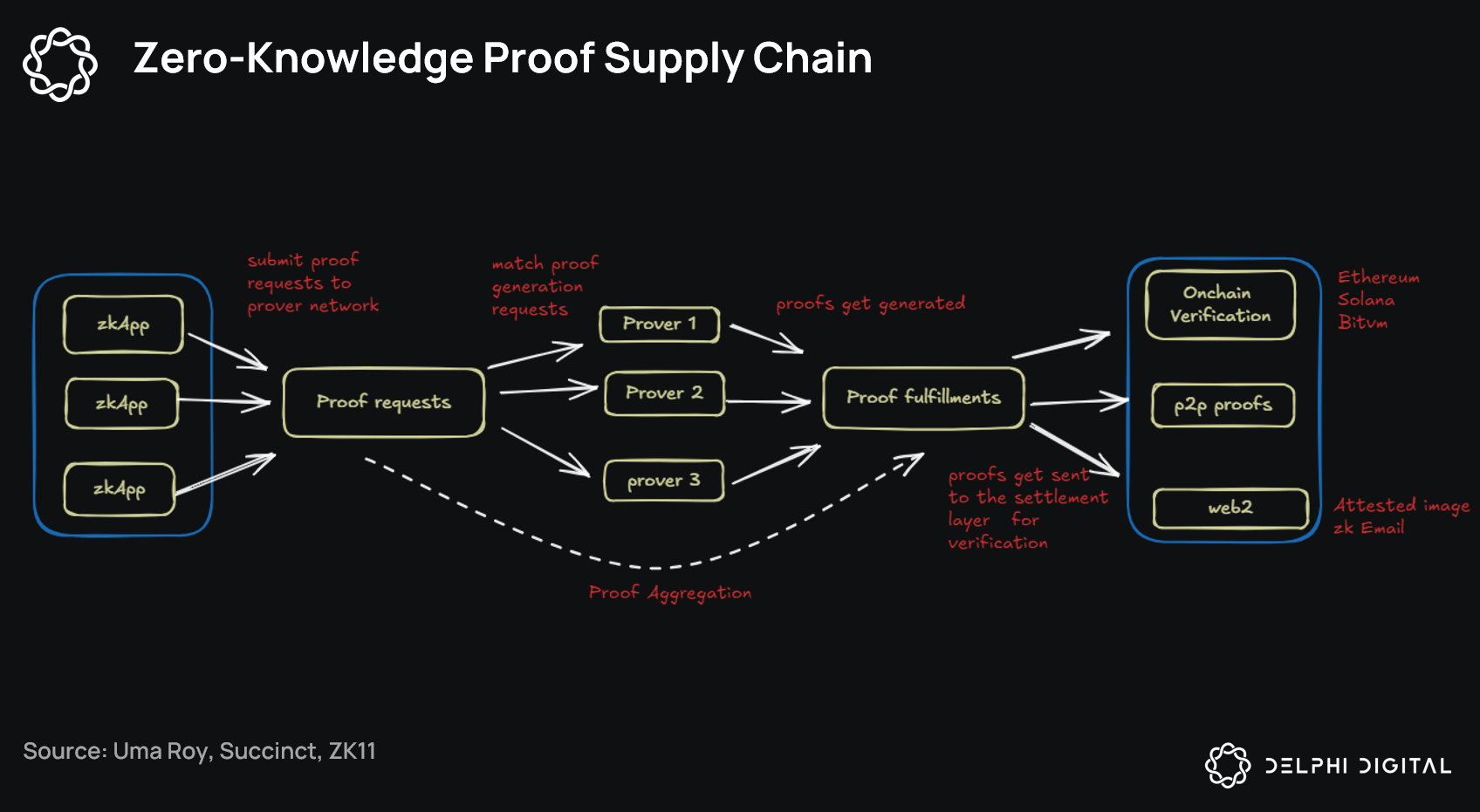
Zero-knowledge proofs flip the script. Prove a bug exists - say, a contract drains funds under specific inputs - without spilling the how. Mathematically sound, cryptographically tight. Mina Protocol builds on this for provable privacy; now bug bounties adapt it.
Core appeal? Zero knowledge exploit verification. Submit a proof attesting 'vulnerability present, impact X, ' backend verifies off-chain, smart contracts pay out. No details on-chain, no free lunch for rivals. It's like scalping forex: spot the breakout, lock profits with tight stops, never telegraph your edge.
ZKPs Boost Bug Bounties
- Privacy Shield: Prove vulnerabilities exist via ZKPs without exposing details, as in BlockBounty and zkpoex.

- Instant Verification: Cryptographic proofs enable automated checks for quick vulnerability confirmation and fixes.
- Fair Payouts: Smart contracts auto-distribute rewards post-verification, like zkpoex's immediate bounties.
- Reduced Fraud: Verifiable evidence cuts disputes and trust issues between hunters and projects.
Hacken guides stress tools for smart contract hunts, but ZK elevates them. Auditors overlook consumption flaws, per Cantina; proofs ensure proper handling from jump.

BlockBounty and zkpoex: Pioneers in Secure Bounty Submissions
BlockBounty leads the charge. Decentralized, it uses ZKPs to validate reports sans exposure. Full details bunkered off-chain, vector search sniffs duplicates fast. Smart contracts handle rewards - transparent, tamper-proof. Devpost spotlights it as the fix for ethical hackers dodging exposure fears.
zkpoex doubles down: whitehats drop cryptographic proof of exploits, verification triggers instant payouts. Teams patch discreetly, no chit-chat. Levels the field against attackers who strike silent. Both tackle Web3's steep curve, making secure bounty submissions accessible beyond elites.
Hashlock lists top platforms, but these ZK natives stand out. Immunefi's zkVerify bounties cap at $50,000; imagine scaling with privacy baked in. Medium's Remedy hype? ZK transparency without the overkill.




No comments yet. Be the first to share your thoughts!