
Get zk verified tasks right
Before you start building, understand that zero-knowledge proofs (ZKP) are cryptographic methods that let you prove a statement is true without revealing the underlying data. In freelancing, this means proving you completed a task—like writing code or analyzing data—without exposing your proprietary methods or client secrets to the public. This is distinct from traditional verification, which often requires sharing raw files or logs.
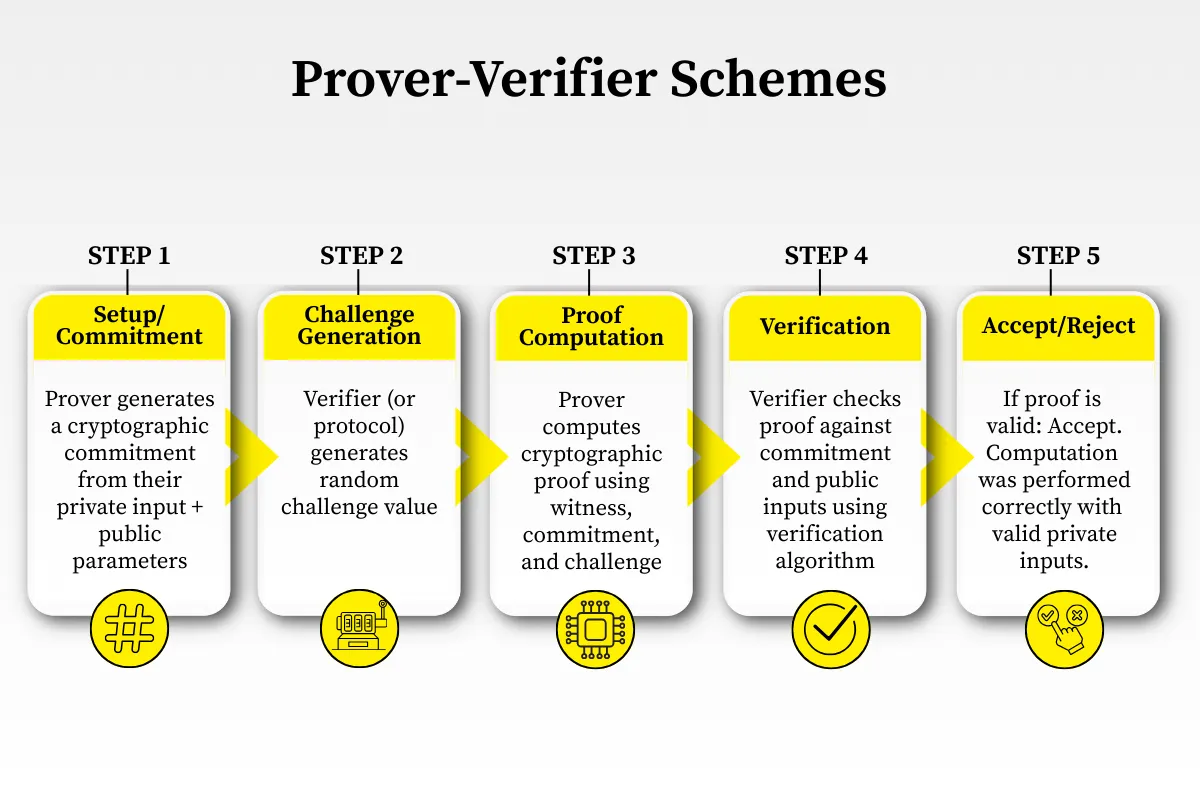
To implement this correctly, you need a clear workflow. First, define the exact inputs and outputs of the task. Second, generate the proof using a ZK circuit that validates the output against the inputs. Third, submit the proof to a verifier, such as those listed on ZKProof, which confirms the cryptographic validity without seeing the data itself. Skipping these steps can lead to invalid proofs or security vulnerabilities.
The choice of ZK framework matters. Some are optimized for speed, others for ease of use. For freelancers, the tradeoff is often between development time and proof size. Smaller proofs verify faster on-chain but require more complex circuit design. Start with a simple test case to ensure your verification pipeline works before scaling to complex tasks.
Work through the steps
How ZK Verified Tasks Are Redefining Trustless Freelancing works best as a clear sequence: define the constraint, compare the realistic options, test the tradeoff, and choose the path with the fewest hidden costs. That order keeps the advice usable instead of decorative. After each step, pause long enough to check whether the recommendation still fits the reader's actual situation. If it depends on perfect timing, unusual access, or a best-case budget, include a simpler fallback.
Common Mistakes in ZK Verified Tasks
Zero-knowledge proofs promise privacy and trustless verification, but the technology is unforgiving. A single misconfigured parameter can turn a secure proof into a public data leak or a useless cryptographic puzzle. Freelancers and clients often assume that "ZK verified" automatically means "secure," but the security depends entirely on how the circuit is written and deployed.
The most frequent error is over-engineering the circuit. Developers try to prove the entire workflow, including sensitive metadata like timestamps, IP addresses, or personal identifiers. This defeats the purpose of zero-knowledge privacy. You should only prove the specific claim: that the task was completed according to the rules. Anything else is unnecessary noise that increases proof generation time and complexity without adding value.
Another critical mistake is neglecting the verifier contract on the blockchain. Generating a proof is only half the battle. If the smart contract verifying the proof has a logic error or uses outdated cryptographic libraries, the proof will be rejected or, worse, accepted incorrectly. Always use audited verifier libraries and test against the official ZKProof verified verifiers to ensure correctness.
Finally, many users ignore gas costs and proof generation time. Complex circuits can take minutes to generate and cost significant gas to verify. For high-frequency, low-value tasks, this overhead makes ZK verification economically unviable. Choose simpler circuits or batch proofs when possible to keep costs manageable.
Zk verified tasks: common: what to check next
Zero-knowledge proofs (ZKP) are cryptographic methods that allow one party to prove to another that they know a value or completed a task, without revealing any information beyond the fact itself. In the context of freelance work, this means a worker can prove they finished a job correctly without sharing the source code, client data, or proprietary workflows with the payer.
What is ZKP verification?
ZKP verification is the process where a third-party system checks the cryptographic proof generated by the worker. Instead of auditing the actual work product, the verifier checks the math. If the proof is valid, the system confirms the task meets the agreed-upon criteria. Networks like zkVerify handle this separately from general execution, allowing proofs to be verified in seconds. This separation ensures that verification doesn't bottleneck the workflow, enabling trustless settlements for identity, voting, or freelance tasks.
Is zero-knowledge proof legit?
Yes, ZKP is a legitimate and mathematically sound technology used in blockchain infrastructure and enterprise security. Organizations like ZKProof maintain "Verified Verifiers" working groups to formally establish the validity of these proofs by ensuring the correctness of the cryptographic circuits. While the technology is still maturing for mass consumer use, its application in verifying remote work tasks is grounded in rigorous cryptographic standards rather than experimental theory.
What does a zk stand for?
"ZK" stands for Zero-Knowledge. It refers to the specific property of the proof system: the verifier learns nothing other than the fact that the statement is true. For freelancers, this means privacy is preserved. You don't have to expose your internal processes or sensitive client data to get paid; you only expose the proof that the work was done.
Does XRP use ZKP?
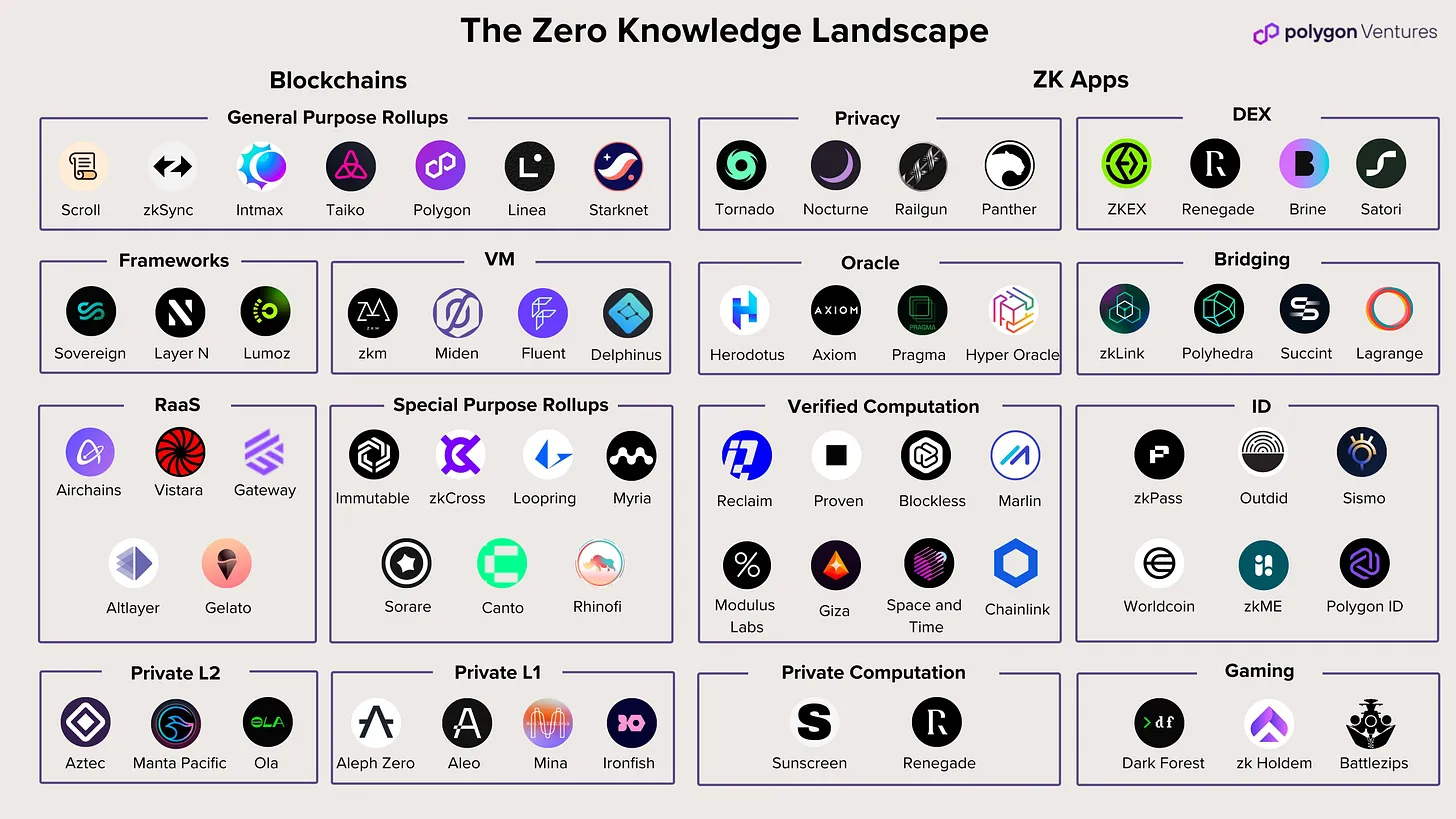
Currently, the XRP Ledger does not natively support zero-knowledge proofs in its base protocol. XRP relies on a different consensus mechanism and cryptographic model. While some developers are exploring ZK rollups or sidechains that could interact with XRP, the native ledger does not use ZKP for transaction verification or task validation. ZK verified tasks are primarily associated with Ethereum-compatible chains and specialized ZK networks like zkVerify.
No comments yet. Be the first to share your thoughts!