
What are ZK verified tasks
ZK verified tasks allow you to complete work and earn rewards while keeping your data private. Instead of showing your source code, raw logs, or personal identity, you submit a zero-knowledge proof (ZKP). This mathematical certificate confirms the work was done correctly without revealing the underlying details. It is the difference between handing over your entire hard drive for an audit versus showing a single seal of approval.
This approach solves a major problem in decentralized work: trust without exposure. Traditional platforms require you to share sensitive information to prove you did the job. ZK tasks let you prove validity while keeping your inputs hidden. You get paid for the result, not the exposure.
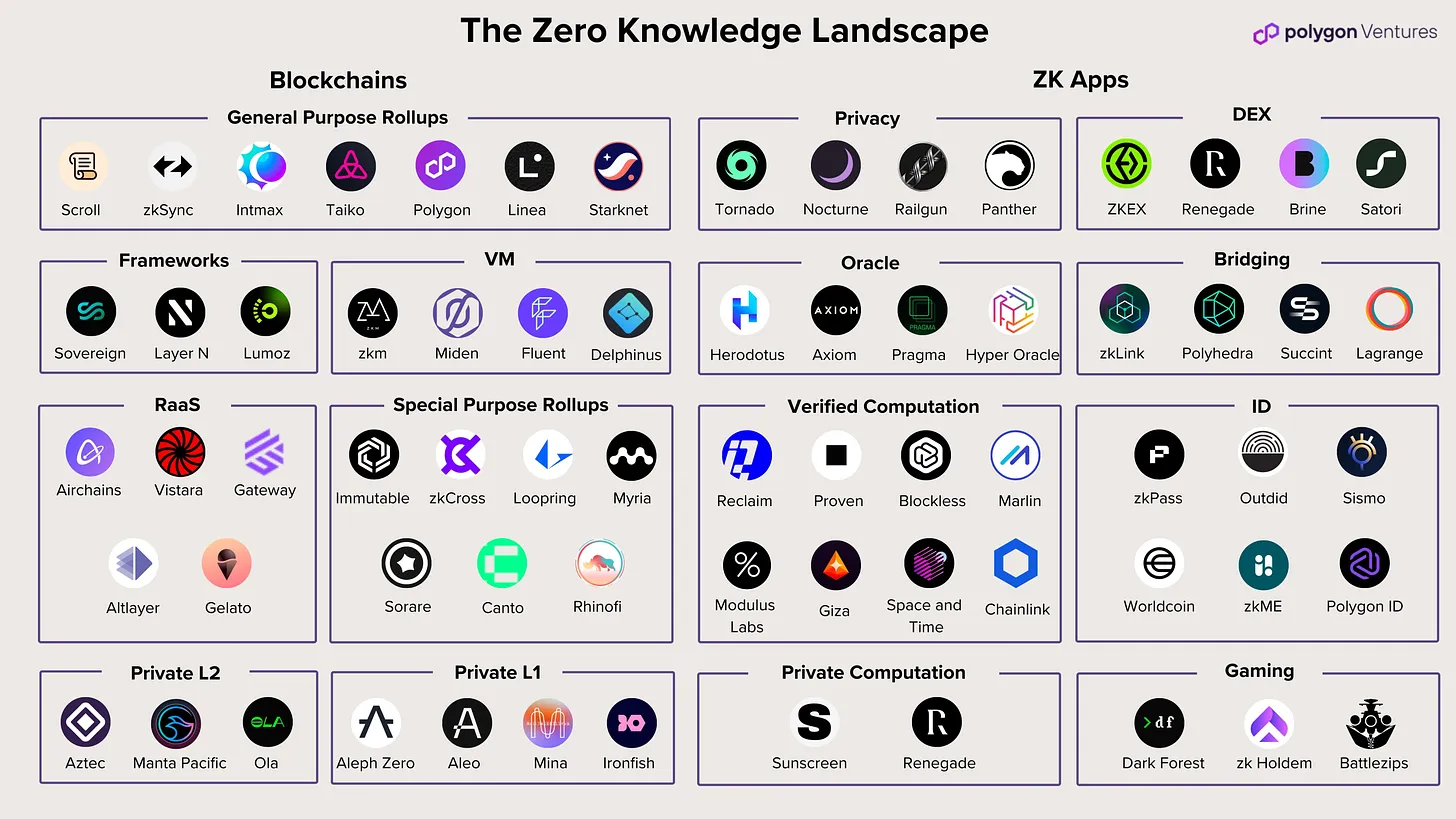
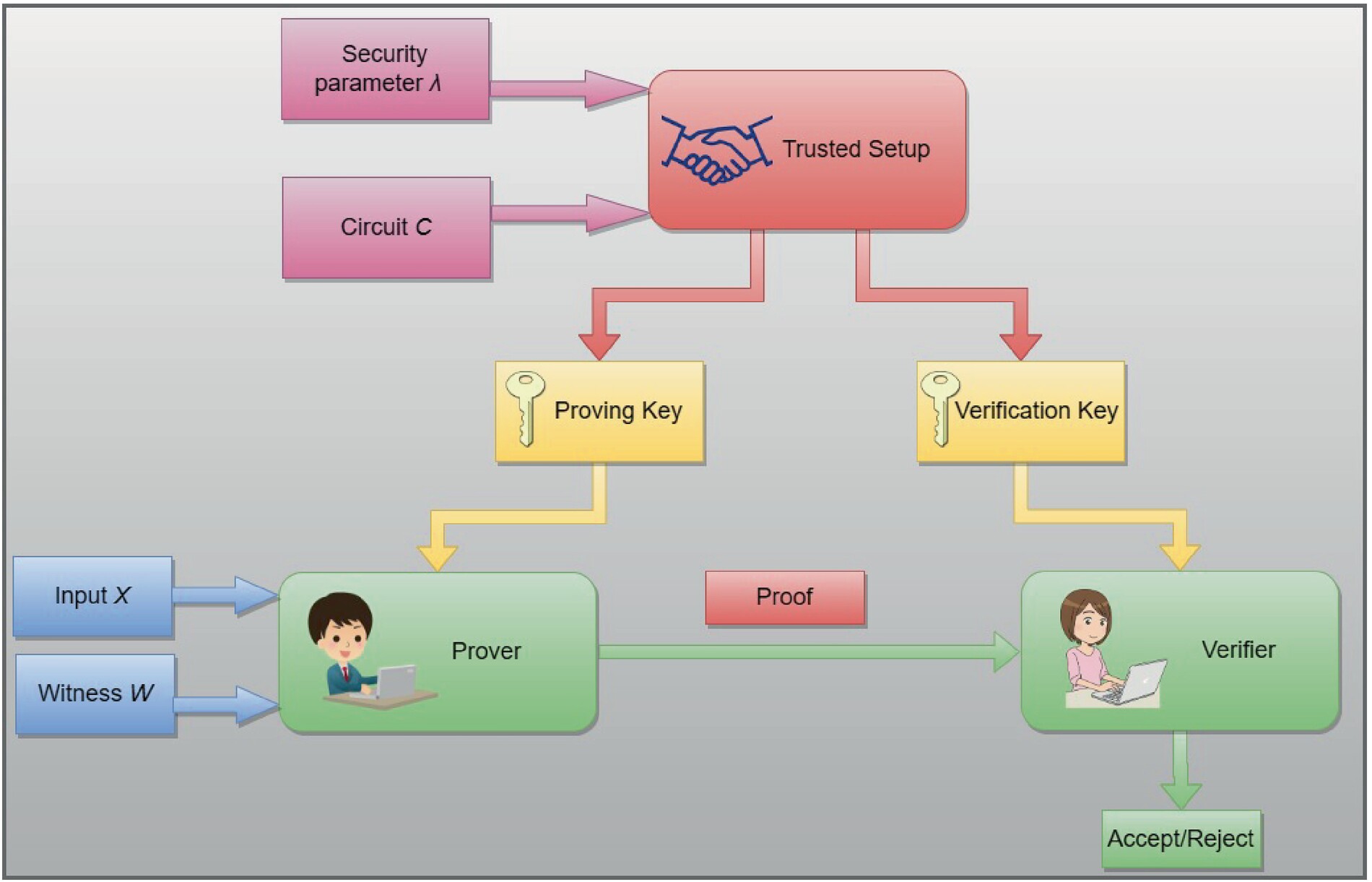
The process relies on a simple exchange. You generate a proof that your computation matches the required rules. A verifier checks this proof against the public parameters. If the math holds up, the task is marked complete. No one sees your code, your data, or your identity. They only see the proof of work. This security model is mathematically sound, ensuring that correctness is verified without revealing inputs or intermediate steps.
Compare ZK task platforms
Choosing the right platform for zero-knowledge (ZK) verified tasks depends on your primary goal: maximizing reward potential or ensuring strict privacy. While some platforms function as general credential hubs, others are built specifically for testnet participation and airdrop hunting. The table below breaks down the differences between zkVerify, Galxe, and generic credential providers.
| Platform | Primary Focus | Privacy Level | Reward Type | User Difficulty |
|---|---|---|---|---|
| zkVerify | Testnet & Airdrops | High (ZK proofs) | Token airdrops, NFTs | Medium |
| Galxe | General Quests | Low (Public badges) | Tokens, NFTs, Points | Easy |
| Credential Providers | Identity Verification | Medium (Selective disclosure) | Access, Utility | Hard |
zkVerify is the strongest choice if you are hunting for specific airdrops or testnet incentives. It leverages zero-knowledge proofs to verify tasks without exposing your underlying data, offering a high level of privacy. The platform is currently focused on incentivized testnets, meaning rewards are often speculative but potentially high-value. However, the setup requires more technical understanding than standard social quests.
Galxe remains the dominant platform for general Web3 quests and credentialing. It is significantly easier to use, requiring only wallet connections and social media actions. The privacy level is low because all completed quests and badges are publicly visible on-chain. Rewards are consistent, including points, NFTs, and tokens, but the competition is fierce, and the "privacy" aspect of ZK tasks is not a feature here.
Generic Credential Providers (such as World ID or Gitcoin Passport) focus on proving unique human identity or specific on-chain history. They offer medium privacy through selective disclosure but require the most effort to set up. Rewards are usually utility-based, such as access to gated communities or voting power, rather than direct token payouts.
If your goal is pure privacy, zkVerify is the clear winner. If you want to complete tasks quickly for general engagement, Galxe is the better option. For users needing to prove identity without revealing it, look toward specialized credential providers.
Set up your ZK workflow
To earn rewards for ZK verified tasks, you need to generate a cryptographic proof that validates your activity without revealing the underlying data. The process involves installing a proving tool, running the computation, and submitting the result to a verification contract. This workflow ensures your privacy remains intact while proving you completed the required steps.
The setup is straightforward if you follow the sequence below. We will walk through installing the necessary software, generating your proof, and finally submitting it to the network.
Most ZK task platforms provide a dedicated SDK or command-line interface (CLI) for proof generation. Start by creating a new directory for your project and initializing it with your package manager (e.g., npm init). Install the specific proving library recommended by the task provider. For example, zkVerify offers a streamlined getting started guide that includes pre-configured templates to reduce setup friction. Ensure your environment meets the minimum system requirements, as proof generation can be resource-intensive.
Before generating a proof, you must prepare the "witness" data—your private inputs that need to be verified. This might include transaction hashes, login credentials, or off-chain activity logs. Configure your proving script to read these inputs securely. It is critical to keep this data local and never expose it to the public network during the computation phase. Double-check that your configuration file points to the correct circuit definition provided by the task issuer.
Run the proving command in your terminal. This step performs the heavy cryptographic lifting, creating a succinct proof that attests to the validity of your inputs against the circuit constraints. Depending on the complexity of the task, this may take anywhere from a few seconds to several minutes. Once complete, the tool will output a proof file (often in JSON or binary format) along with public inputs. Verify that the output file is not empty and matches the expected schema.
With the proof generated, the final step is submission. You can submit directly to the on-chain verification contract using a wallet, or use a relayer service if available. Relayers allow you to send proofs via an API call without holding native tokens for gas fees, simplifying the user experience. After submission, wait for the transaction to be confirmed on the blockchain. Once confirmed, the reward mechanism will trigger, and you will receive your compensation.
Watch a ZK Task Demo
Seeing the process in motion clarifies the technical steps. A visual walkthrough shows exactly how to connect your wallet, select a task, and submit your zero-knowledge proof on the zkVerify testnet.
The video below demonstrates a real incentivized task completion. It covers the specific interface interactions required to generate a valid proof and submit it for verification. This visual guide complements the written instructions by highlighting common UI elements and potential pitfalls.
Check your task eligibility
Before you submit your proof, run through this quick checklist to ensure your ZK verified tasks will count toward your rewards. A single mismatch in gas fees or contract addresses can invalidate your submission.
- Proof Generated: Confirm your ZK proof is complete and valid.
- Gas Paid: Ensure you have enough native token to cover transaction fees.
- Contract Address: Double-check you are interacting with the correct verification contract.
- Deadline Met: Verify the task window has not closed.
Verification Steps
Follow this sequence to finalize your eligibility check and submit your proof securely.

Use your local verifier to ensure the proof matches the public input. If the verification fails locally, it will fail on-chain.
Approve the required amount of tokens for gas and any platform fees. Check the current gas price to avoid overpaying.
Call the verification function on the smart contract. Wait for the transaction receipt to confirm success.
Common zk task: what to check next
Users often hesitate to start ZK verified tasks because the underlying technology feels opaque. The main concerns usually revolve around cost, data privacy, and which platform to trust. Here are direct answers to the most frequent questions.
How much does ZK verification cost?
Verifying zero-knowledge proofs on-chain can be expensive due to the computational resources required. However, newer infrastructure like zkVerify is making it significantly cheaper for smart contracts to verify proofs. For most users completing tasks, the platform covers these costs, so you typically do not pay gas fees directly for the proof generation itself.
Is my data private on these platforms?
Yes. The core purpose of ZK proofs is to allow verifiers to securely access and verify identity or data without exposing the underlying information. When you complete a task, you prove you meet a criteria (like age or residency) without revealing your actual birthdate or address. The platform only receives the proof, not your raw data.
Which platform is best for beginners?
Choosing a platform depends on your technical comfort. Look for platforms that offer clear documentation and support for common wallet types. If you are new, start with platforms that have a "no-code" or simplified interface for proof submission. Avoid platforms that require manual circuit compilation unless you are a developer.
No comments yet. Be the first to share your thoughts!