
What are ZK verified tasks
ZK verified tasks allow freelancers to prove they completed a specific workflow without exposing the underlying code, data, or proprietary methods. In this setup, the freelancer acts as the prover, generating a cryptographic proof that a statement is true. The client acts as the verifier, checking that proof against a public key. This protocol ensures the client receives assurance of completion without gaining access to the sensitive IP or raw data behind the work.
Think of it like a sealed envelope. You can prove the envelope contains a signed contract without opening it or showing the client the signature until they verify the seal is intact. The verification process confirms the output matches the required criteria—such as "code compiles" or "data is valid"—while keeping the internal mechanics invisible.
This approach solves the traditional remote work dilemma: how to verify quality without micromanaging or stealing ideas. By relying on zero-knowledge proofs, clients get a mathematical guarantee of performance rather than a visual inspection of the source. This is particularly valuable for sensitive industries like healthcare or finance, where data privacy is as important as the final deliverable.
For a deeper technical dive into how these proofs handle off-chain data verification, you can explore resources like Space and Time's guide on ZK proofs.
Set up the proof generation environment
Before you can verify remote work tasks using zero-knowledge proofs, you need a local environment capable of generating them. This section walks you through installing the necessary tooling and configuring the local prover. We will use zkVerify as the reference framework because it provides a modular layer specifically designed to verify ZK proofs efficiently, enabling applications to offload verification and reduce costs.
Zero-knowledge proof generation relies heavily on Rust for performance and memory safety. Install rustup, the Rust installer, using the official script. Verify the installation by running rustc --version and cargo --version in your terminal. Ensure you are using a stable release to avoid compatibility issues with proof generation libraries.
Fetch the latest code from the zkVerify GitHub repository. This repository contains the core prover logic and the necessary circuit definitions. Navigate into the cloned directory and check out the specific branch or tag recommended for your use case. This ensures you are working with a stable set of cryptographic primitives.

Build the project using cargo build --release. This compiles the prover binaries. Once compiled, you will need to configure the prover to point to your local task data. Create a configuration file that defines the circuit parameters and the path to your remote work verification data. This setup allows the local machine to generate proofs without exposing the underlying task details.
Run the prover against a small, synthetic dataset to ensure the environment is functioning correctly. The prover will output a proof file. Use the local verifier binary to check this proof. If the verification succeeds, your environment is ready for real-world remote work task verification. This step confirms that the cryptographic handshake between your prover and the verifier is working as expected.
With the local environment configured, you can now proceed to integrate these proofs into your remote work workflow.
Compare verification infrastructure options
Choosing the right verification layer depends on your tolerance for latency versus cost. ZK proof verification has traditionally been computationally expensive, but new infrastructure options have shifted the landscape. You can verify proofs directly on Ethereum L1, use a specialized rollup, or leverage a dedicated verification layer like zkVerify. Each option offers a different tradeoff between security guarantees and operational speed.
Ethereum L1 provides the highest security baseline. When you verify a proof on-chain, you inherit Ethereum’s consensus security. However, this comes at a steep price. Gas fees for proof verification can spike during network congestion, making it impractical for high-frequency remote work tasks. The latency is also significant, as you must wait for block finality.
Specialized rollups offer a middle ground. They batch transactions to reduce costs while maintaining some level of security inherited from their settlement layer. These are suitable for applications that require faster finality than Ethereum L1 but do not need the absolute maximum security of the mainnet. The tradeoff is a slight reduction in decentralization and security assumptions.
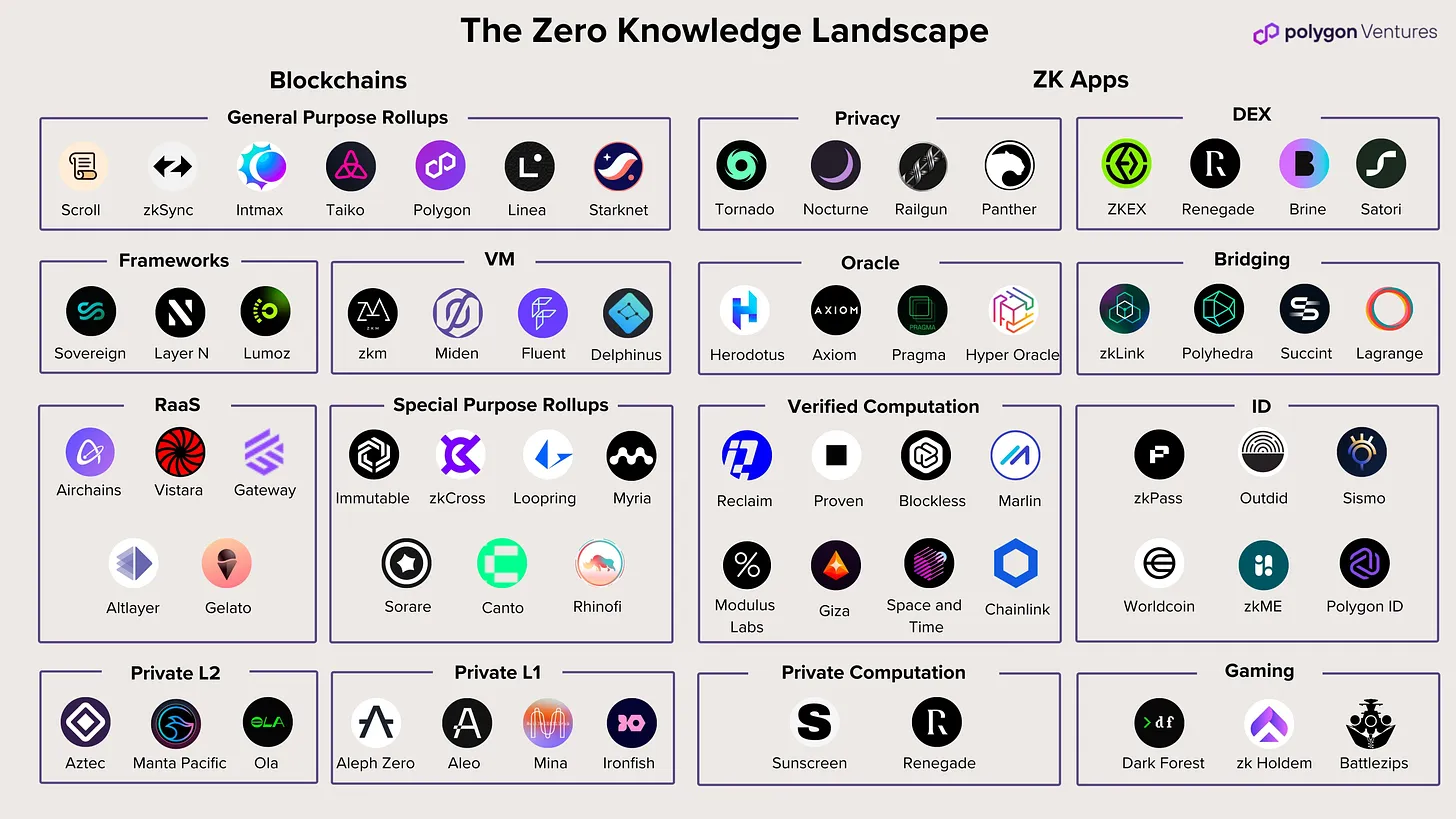
Dedicated verification layers like zkVerify are built specifically to offload proof verification. They act as a modular layer that validates proofs and posts a single aggregated proof to the settlement chain. This approach drastically reduces costs and latency. According to Delphi Digital, zkVerify can reduce verification costs to less than 1/100 of the cost on Ethereum L1, making it ideal for scalable remote work verification systems.
| Provider | Relative Cost | Latency | Security Model |
|---|---|---|---|
| Ethereum L1 | High | High (12-15 min) | Max (Ethereum Consensus) |
| zkVerify | Very Low (<1/100 L1) | Low (Sub-second) | High (Modular Layer) |
| Specialized Rollups | Medium | Medium (Seconds) | Medium (Rollup Security) |
Submit proofs to the verification layer
Once your local prover generates a valid zero-knowledge proof, the next step is to submit it to a verification layer. This layer acts as the gatekeeper, validating the cryptographic evidence before accepting the remote work task as complete. The verification process ensures that the proof is mathematically sound and adheres to the protocol's rules without revealing the underlying data.
You can choose between on-chain and off-chain verification depending on your needs for speed, cost, and decentralization. On-chain verification involves submitting the proof directly to a smart contract, which offers maximum transparency but may incur higher gas fees. Off-chain verification utilizes specialized networks to handle the computational heavy lifting, providing faster results and lower costs before recording a summary on the blockchain.
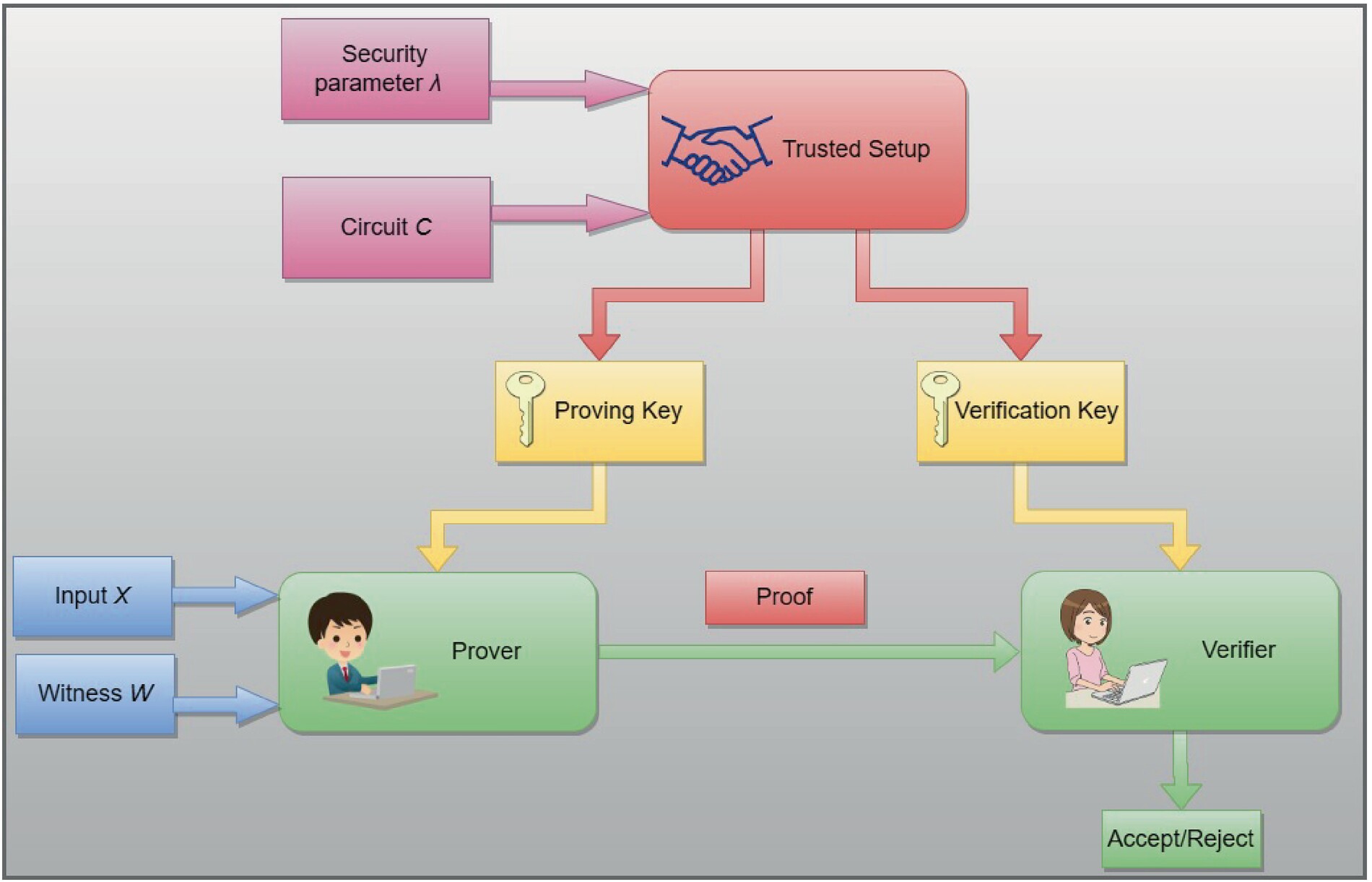
Format your generated proof into the required structure for the verification layer. This typically includes the proof itself, public inputs, and any necessary metadata. Ensure the data is encoded correctly to prevent parsing errors during validation.
Choose a verification layer that matches your requirements. Networks like zkVerify are built specifically to verify zero-knowledge proofs efficiently, enabling developers to create and deploy games, voting, identity, and interoperability systems with minimal latency. Consider factors like transaction fees and finality time.
Send the proof payload to the chosen network via a wallet or API. If submitting on-chain, this involves calling a verification contract. For off-chain services, you might use an RPC endpoint to submit the proof for validation. The network will begin the verification process immediately.
Wait for the verification result. If the proof is valid, the network will return a success signal, confirming the remote work task. If the proof fails validation, the system will reject it, and you may need to regenerate the proof or check for errors in the input data.
The verification layer's efficiency is critical for user experience. Modern networks can verify proofs in seconds, allowing for real-time confirmation of remote work tasks. This speed enables applications to provide immediate feedback to users, whether they are verifying identity, completing a task, or executing a contract.
For off-chain data verification, the process ensures that query results run in the network are accurate and haven't been tampered with, without sacrificing privacy. This is particularly useful for remote work scenarios where sensitive business logic or personal data must remain confidential while still being auditable.
Automate task settlement workflows
Once the zero-knowledge proof confirms a task is complete, the system can automatically trigger downstream actions without human intervention. This closes the loop between verification and reward, turning abstract cryptographic guarantees into tangible freelance income.
1. Verify the Proof on-Chain
The first step is submitting the ZK proof to a smart contract. The contract validates the proof against the task parameters defined in the protocol. If the proof is valid, the contract records the success state. This step ensures that only legitimate work is recognized by the payment system.
2. Trigger Payment or Reputation
With the proof verified, the workflow branches based on your settlement preference. You can configure the contract to automatically release stablecoins or tokens to the freelancer’s wallet. Alternatively, the system can mint a non-transferable reputation token (Soulbound Token) to the freelancer’s profile, building a verifiable work history without moving funds.
3. Handle Edge Cases
Not all proofs pass immediately. If a proof fails validation, the contract should reject the transaction and return the stake to the freelancer, provided the failure wasn’t due to fraud. Implementing an appeal mechanism allows for manual review if the automated verification detects anomalies. This safety net prevents false negatives from penalizing honest workers.
Pre-deployment Checklist
-
Define clear task parameters in the smart contract
-
Test ZK proof generation with sample data
-
Configure automatic payment triggers
-
Set up reputation token minting logic
-
Implement an appeal process for failed proofs
Common questions about ZK verification
Zero-knowledge proof (ZKP) verification is a cryptographic protocol where one party proves a statement is true without revealing the underlying data. Think of it as a digital notary that confirms a document is valid without ever reading its contents. This mathematically sound approach allows remote workers to prove task completion or code integrity while keeping sensitive inputs private.
What is zkVerify?
zkVerify is a modular blockchain layer designed specifically to verify zero-knowledge proofs efficiently. Instead of forcing individual applications to handle the heavy computational load of proof verification, zkVerify allows rollups and apps to offload this task. This centralization reduces costs and improves scalability for developers building privacy-focused tools.
How does ZKP verification work in practice?
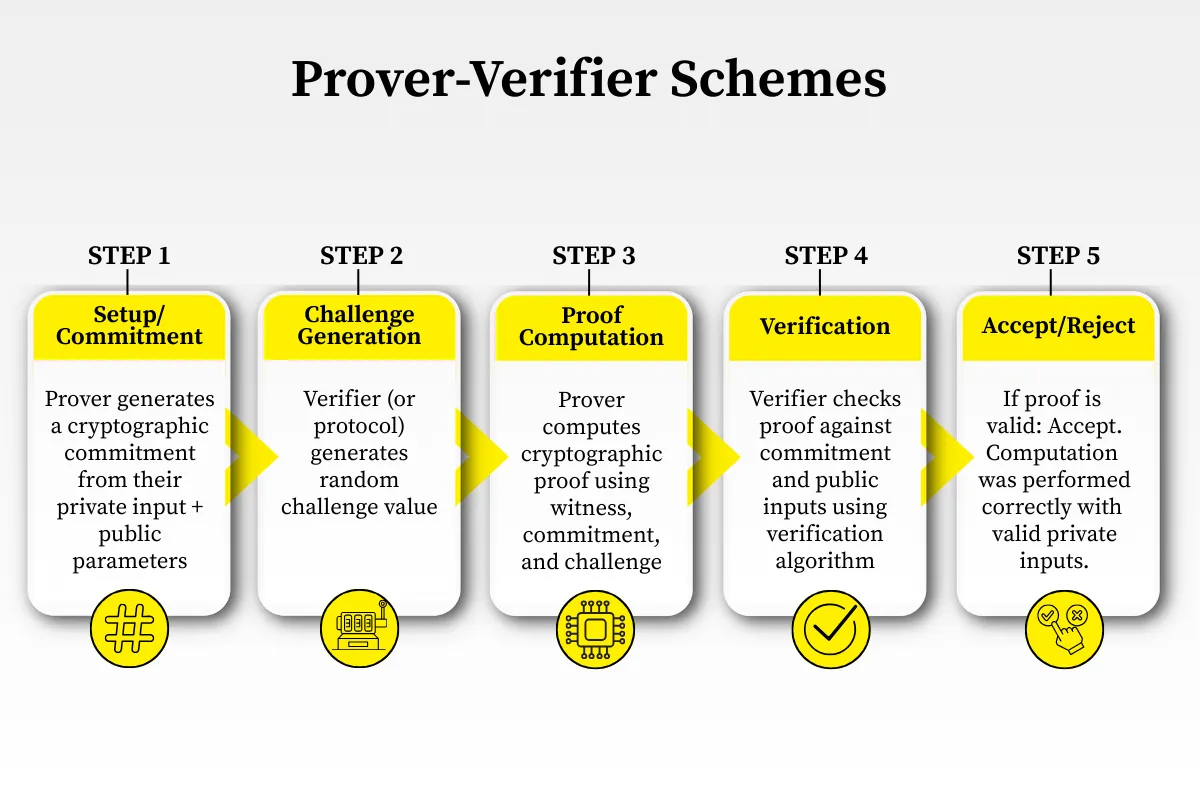
The process involves a prover and a verifier. The prover generates a proof that a specific computation was executed correctly. The verifier checks this proof against the public parameters of the system. If the proof is valid, the verifier accepts the result as true. Crucially, the verifier learns nothing beyond the fact that the statement is true, preserving the confidentiality of the data involved.
Is ZKP verification expensive?
Verification costs have dropped significantly as the technology matures. While generating proofs can still be computationally intensive, verifying them is relatively cheap. Platforms like zkVerify aim to further reduce these costs by providing specialized infrastructure. This makes ZK verification viable for high-volume remote work tasks, such as auditing code commits or verifying identity credentials.
Can I use ZKP with existing systems?
Yes. Many blockchain networks are integrating ZKP capabilities. For example, the XRP Ledger has integrated with Boundless to bring native zero-knowledge proof verification to its ecosystem. This allows institutions to verify transactions without revealing amounts, senders, or receivers, demonstrating how ZKPs can enhance privacy in established financial systems.
No comments yet. Be the first to share your thoughts!