
Get zk verified tasks right
Before you build, you need to align your technical setup with strict compliance standards. Zero-knowledge (ZK) systems are powerful, but they are unforgiving if the underlying cryptography or protocol choice is flawed. Skipping these prerequisites often leads to broken proofs or regulatory non-compliance later in the development cycle.
Choose a verified verifier
Don’t rely on custom, untested verification logic. The ZKProof community maintains a list of verified verifiers that have undergone formal validation to ensure correctness. Using a recognized, audited verifier reduces the risk of implementation errors that could invalidate your proof or expose sensitive data. Refer to the ZKProof Verified Verifiers for a trusted starting point.
Define your privacy and compliance scope
ZK proofs are not a one-size-fits-all solution. You must clearly define what data remains private and what must be visible for regulatory compliance. For example, if you are building a ZK-Rollup, you need to understand how it verifies transactions instantly without revealing details, unlike optimistic rollups which assume validity until challenged. This distinction impacts your finality speed and dispute windows. Be explicit about your data retention and disclosure policies before writing any circuit code.
Select the right proof system
Not all zero-knowledge proof systems are created equal. Some prioritize speed, others offer stronger privacy guarantees, and some are more developer-friendly. Consider the trade-offs between STARKs, SNARKs, and PLONKs based on your specific use case. If you are new to the space, resources like A Beginner's Guide to Zero Knowledge Proofs can help clarify the basics and compare different systems. Ensure your chosen system is compatible with your verifier of choice.
Draft a compliance checklist
Create a simple checklist to ensure you haven’t missed any critical steps. This might include verifying your cryptographic primitives, testing your proof generation pipeline, and confirming your verifier’s integration. This step is crucial for high-stakes applications where errors can have significant financial or legal consequences. Keep this checklist updated as your project evolves and new regulations emerge.
Walk through the steps
Executing a zero-knowledge proof (ZKP) task requires moving from raw data to a cryptographic receipt that proves compliance without exposing the underlying details. This process ensures privacy while satisfying regulatory or technical requirements. Follow this sequence to generate a valid ZK verified task.
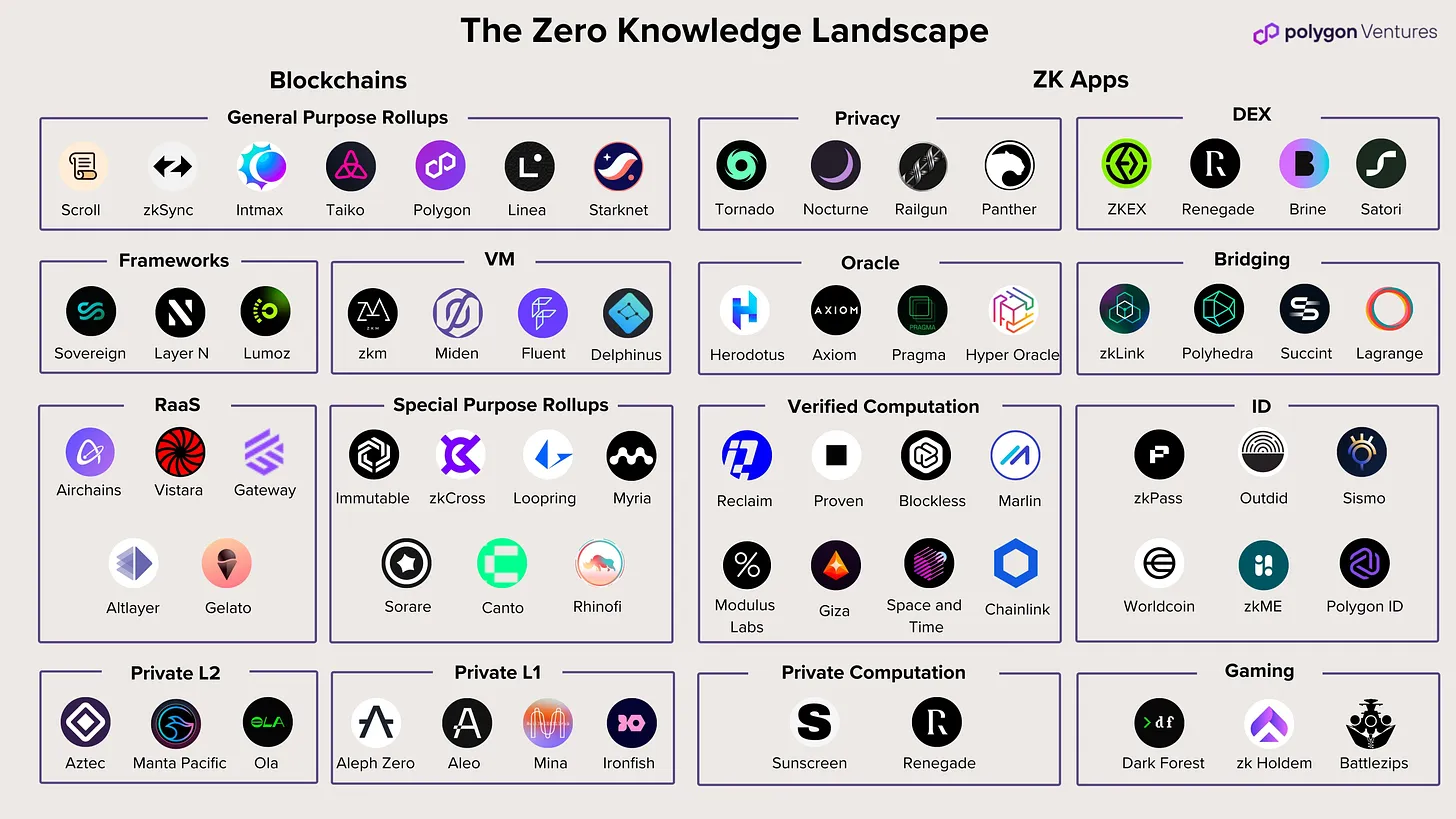
Start by isolating the specific claim you need to prove. In a ZK verified task, you do not submit the data itself. Instead, you define a boolean statement (true/false) based on your private inputs. For example, instead of sharing your entire financial ledger, you define a constraint that verifies your income exceeds a specific threshold. Clearly separating public inputs (what everyone can see) from private inputs (what remains hidden) is the foundation of the proof structure.
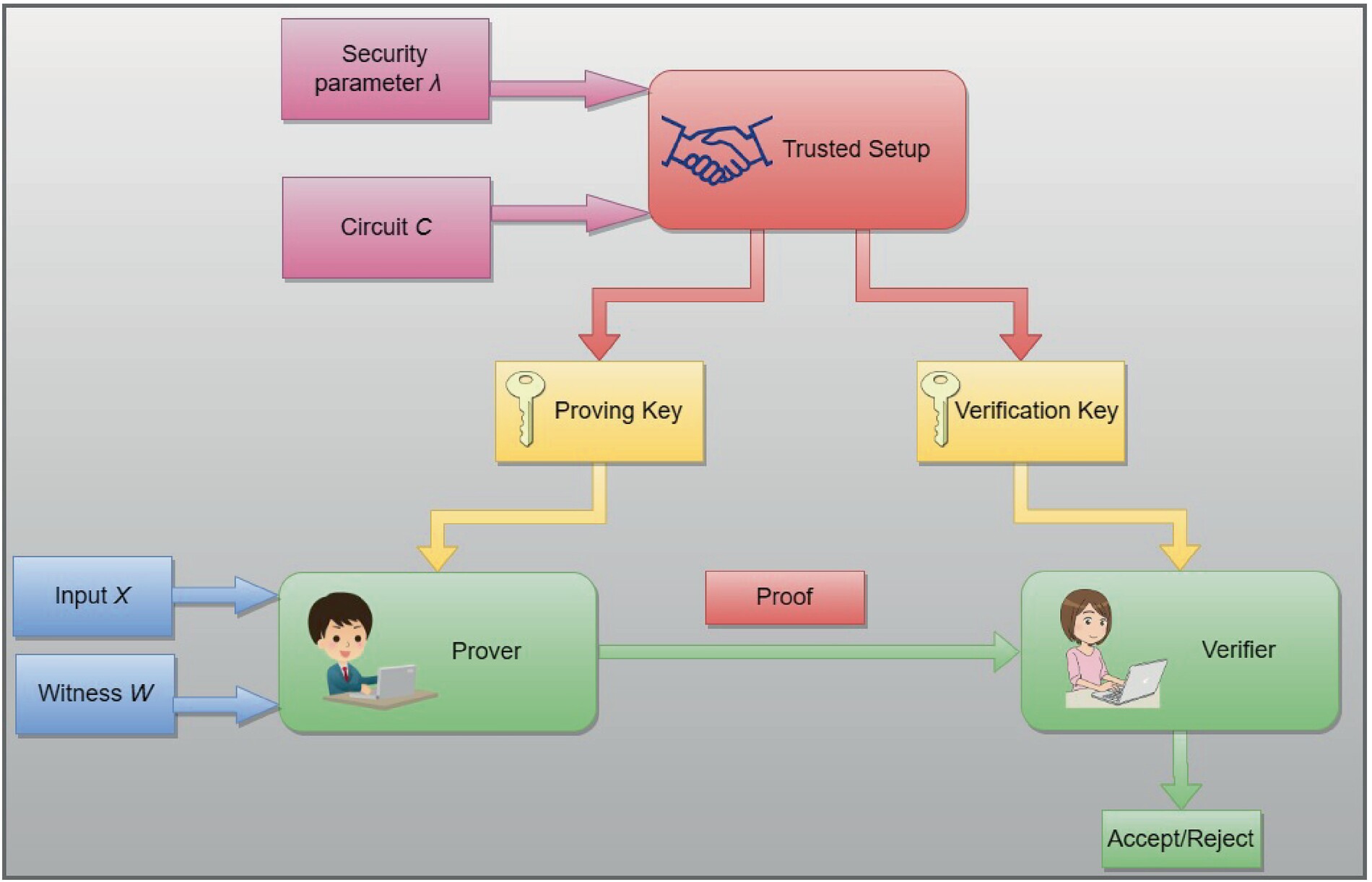
Translate your constraints into a computational circuit. This circuit acts as a digital gatekeeper, ensuring that only data satisfying your specific rules can generate a valid proof. You will use a specialized language or framework to encode these logic gates. The goal is to create a system where any input failing to meet your criteria results in a "false" output, which cannot be used to generate a cryptographic signature.

Run the private inputs through the circuit to generate the actual zero-knowledge proof. This step involves complex cryptographic mathematics to compress your data into a short proof string. Depending on the protocol, you may need to participate in a trusted setup ceremony to generate public parameters, or use a transparent system that requires no trusted setup. The output is a compact proof that mathematically guarantees the statement is true without revealing the inputs.

Submit the proof to a verifier contract or service. The verifier checks the mathematical validity of the proof against the public parameters and the circuit definition. This process is much faster and cheaper than re-executing the entire computation. If the proof is valid, the verifier accepts the statement as true. ZK-Rollups use this mechanism to instantly verify transactions without revealing details, offering faster finality than optimistic rollups.
Common Mistakes in Zero-Knowledge Proof Tasks
Even with robust cryptographic foundations, ZK verified tasks often fail due to implementation oversights rather than theoretical flaws. The most frequent error is misconfiguring the circuit constraints. If your arithmetic gates do not accurately reflect the business logic, the prover generates a mathematically valid but semantically incorrect proof. This results in a "valid" proof that passes verification but fails to enforce the intended privacy or compliance rules.
Another critical mistake is neglecting the trusted setup phase when using SNARKs like Groth16. Failing to securely destroy the toxic waste (the random parameters) after setup exposes the system to potential forgery attacks. For production environments, consider using SNARKs that do not require a trusted setup, such as STARKs, or ensure your multi-party computation ceremony is audited by independent security firms.
Finally, many teams overlook the verifier contract’s gas limits. ZK proofs are computationally expensive to verify on-chain. If the verifier logic exceeds the block gas limit, transactions will consistently fail. Always benchmark your verifier’s complexity against current Ethereum or L2 gas limits and optimize circuit depth to ensure efficient execution.
Zk verified tasks: what to check next
Before committing to a zero-knowledge architecture, it helps to understand the mechanics and tradeoffs involved. These answers address common practical objections regarding verification, security, and real-world application.
No comments yet. Be the first to share your thoughts!