
What makes a task ZK verified
A ZK verified task transforms standard blockchain interactions by adding a cryptographic layer of proof. Unlike typical on-chain transactions that broadcast raw data, a ZK verified task allows a worker to prove they completed work without revealing the underlying inputs or their identity. This distinction is critical for decentralized work, where privacy is often at odds with the transparency required by public ledgers.
The mechanism relies on zero-knowledge proofs (ZKPs), a protocol where a prover convinces a verifier that a statement is true without disclosing any information beyond the validity of the statement itself [1]. In the context of decentralized labor, the "statement" is the successful completion of a task. The "proof" is a mathematical certificate generated by the worker's system, which the blockchain can validate instantly.
This approach contrasts sharply with standard verification methods. For example, the XRP Ledger recently integrated Boundless, a ZK proving network, to enable private transactions [2]. Similarly, ZK-rollups bundle transactions off-chain and use ZKPs to prove their validity before broadcasting a compact proof on-chain [3]. For task-based work, this means you can verify output quality or completion status without exposing proprietary algorithms, personal data, or sensitive business logic to the public network.
Set up the proving environment
Building ZK verified tasks requires a local environment capable of generating proofs that can be verified on-chain. The goal is to create a system where task completion is cryptographically guaranteed without exposing sensitive data. We will use zkVerify as our primary verification layer, leveraging its ability to handle proof verification efficiently.
The setup involves installing necessary dependencies, configuring the proving client, and testing the proof generation pipeline. This environment acts as the engine for your decentralized work, turning raw task data into verifiable ZK proofs.
Install dependencies and initialize the project
Start by setting up the Node.js environment. zkVerify provides SDKs and CLI tools that simplify the interaction with the proving network. Run the following commands to install the required packages and initialize your project structure.
npm init -y
npm install @zkverify/sdk @zkverify/cli
Create a config.json file to store your network credentials. For the incentivized testnet, you will need an API key from the zkVerify dashboard. This configuration file should include your endpoint URL and authentication tokens.
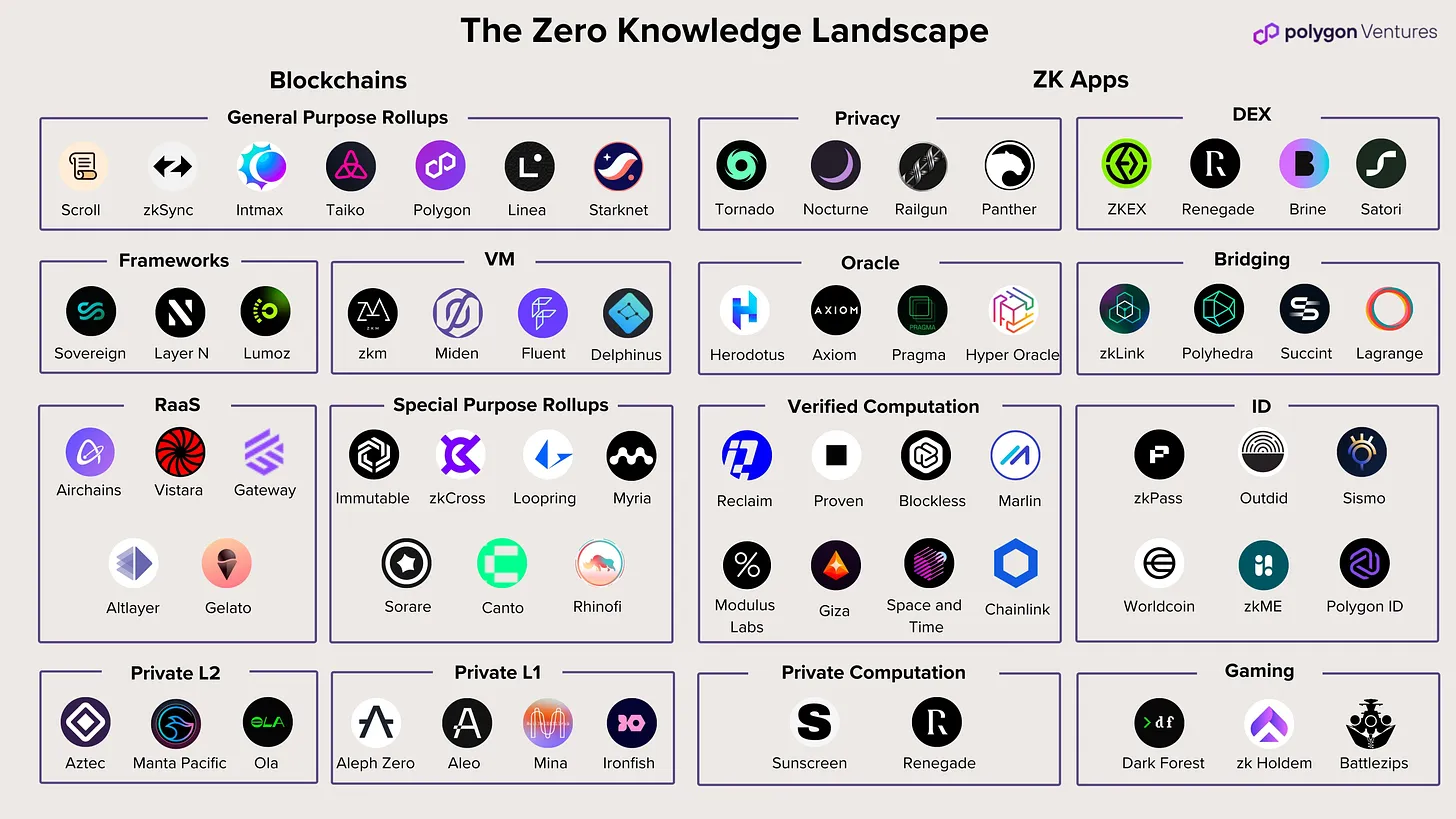
Install the core zkVerify SDK and CLI tools. These libraries provide the cryptographic primitives needed to generate and submit proofs. Ensure your Node.js version is 18 or higher for full compatibility.
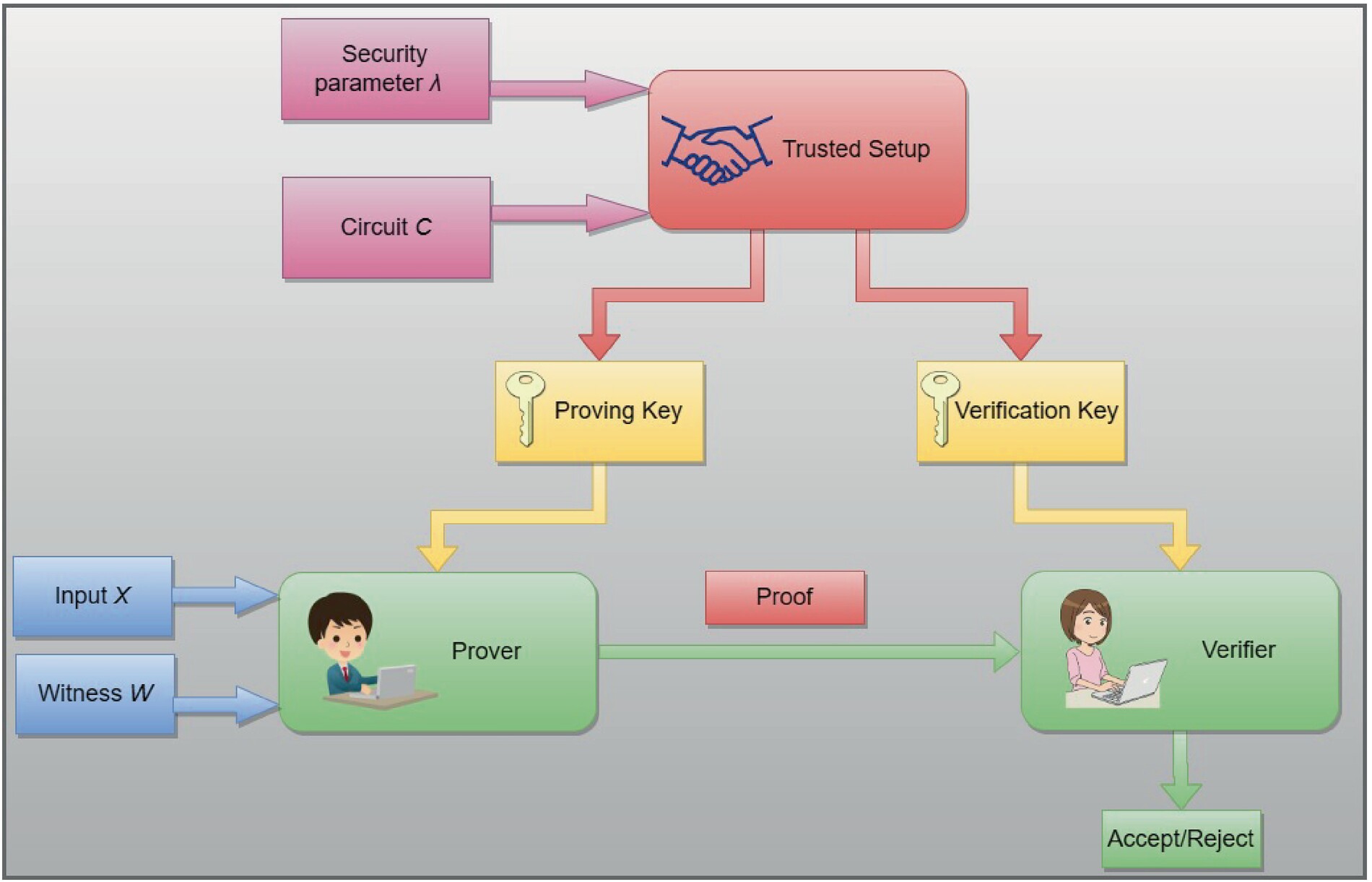
Set up your environment variables with the zkVerify testnet endpoint. This step connects your local machine to the proving network, allowing you to submit proof requests and receive verification results.
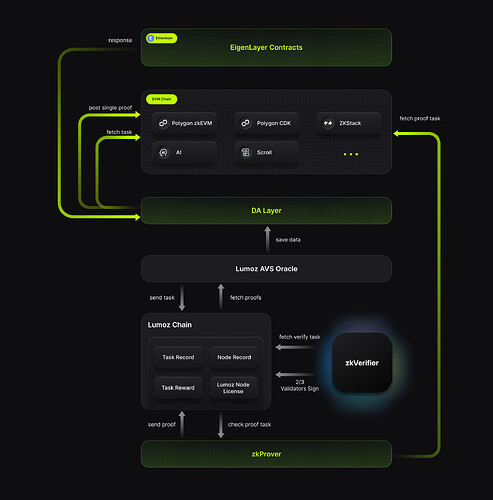
Run a test proof generation using a sample task. This validates that your environment can correctly compile the circuit and submit the proof to the network. Check the logs for any cryptographic errors.
Confirm that the proof is accepted by the verifier contract. This final step ensures that your local setup produces proofs that are valid and recognizable by the blockchain, completing the loop for ZK verified tasks.
Test the proof generation pipeline
Once the environment is configured, test the end-to-end flow. Submit a simple task, such as verifying a signature, and monitor the proof generation process. zkVerify handles the heavy lifting of proof computation, but your local setup must correctly format the input data.
Use the zkVerify CLI to check the status of your proof. The dashboard will show you the proof ID, status, and any associated gas costs. This feedback loop is essential for debugging and optimizing your ZK verified tasks.
Optimize for cost and speed
Proof generation can be computationally intensive. zkVerify offers tiered verification options that balance cost and speed. For high-volume decentralized work, consider batching multiple tasks into a single proof to reduce per-unit costs.
Monitor your proof latency and adjust your circuit complexity accordingly. Simpler circuits generate faster but may require more complex logic to handle edge cases. Balance these factors based on the specific requirements of your ZK verified tasks.
Write the circuit for task logic
Encoding task logic into a zero-knowledge circuit requires translating business rules into arithmetic constraints. Whether you are building a data labeling pipeline or a code review validator, the circuit acts as the immutable rulebook that the prover must follow.
Think of the circuit as a mathematical filter. It takes your raw task data—such as a labeled dataset or a code diff—as inputs. The circuit then applies a series of logical gates to verify that the data meets specific criteria. If the data passes all checks, the circuit outputs a valid proof. If it fails any constraint, the proof generation halts.
Define the public and private inputs
Start by separating what needs to be verified from what must remain hidden. In decentralized work, public inputs are often the task ID, the worker’s public key, or the final output hash. Private inputs include the actual work performed, such as the specific labels applied or the code changes made.
For example, if you are verifying a data labeling task, the public input might be the ground truth labels. The private input is the worker’s reasoning or the specific image regions they selected. This separation ensures privacy while maintaining verifiability. The XRP Ledger’s integration with Boundless shows how this model supports private transactions on a public blockchain, keeping sensitive data off-chain while proving compliance on-chain.
Translate rules into limits to account for
Next, map your business logic to circuit constraints. Each rule becomes a mathematical equation. If a code review requires that all tests pass, the circuit must verify that the test result hash matches the expected value. If a data labeling task requires consistency, the circuit checks that the worker’s labels align with predefined quality metrics.
Use a ZK framework like Circom or Halo2 to write these constraints. Start with simple checks, such as verifying that a number falls within a valid range. Then layer on more complex logic, such as verifying that a set of inputs satisfies a specific relationship. The goal is to create a circuit that is both sound and complete: it rejects invalid tasks and accepts all valid ones.
Generate and verify the proof
Once the circuit is defined, the prover runs the task data through it. The circuit generates a cryptographic proof that attests to the correctness of the computation. This proof is compact and can be verified on-chain or by a decentralized verifier network.
To ensure trust, use a verified verifier system like the ZKProof standards. These systems ensure that the verification logic itself is correct, preventing malicious actors from submitting fake proofs. By integrating with networks like zkVerify, you can outsource verification to a trusted layer, reducing the computational burden on your main application.
Identify which data points are public (visible on-chain) and which are private (kept off-chain). For a data labeling task, the label might be public, but the image content remains private.
Translate business rules into arithmetic constraints using a ZK framework. Ensure every rule is represented as a mathematical equation that the circuit can evaluate.
Run the task data through the circuit to generate a zero-knowledge proof. This proof attests that the task was completed according to the defined constraints without revealing the underlying data.
Submit the proof to a verifier smart contract or a decentralized verification network. The verifier checks the proof’s validity and, if correct, records the task outcome on-chain.
Compare verification networks
Choosing the right infrastructure depends on whether your priority is native privacy, cross-chain compatibility, or specialized verification throughput. Each network handles ZK proof verification differently, affecting both cost and speed for your decentralized tasks.
The XRP Ledger offers a straightforward path for privacy-focused tasks. By integrating the Boundless proving network, XRP supports native verification of ZK proofs directly on its public blockchain. This setup is ideal if you need private transactions without the complexity of managing separate verification layers. It effectively closes the institutional privacy gap by keeping verification logic on-chain.
For broader compatibility, generic ZK-rollups bundle transactions off-chain and submit validity proofs on-chain. This approach is standard for scaling Ethereum Layer 2s. It works well for high-volume tasks where you need to batch many operations together, though it requires your infrastructure to handle the off-chain proof generation before on-chain settlement.
If your tasks require specialized, high-throughput verification across multiple chains, zkVerify provides a modular solution. Designed to optimize ZK proof verification at scale, it allows zk-rollups and appchains to outsource the verification process. This is particularly useful if you are building an appchain that needs to verify proofs from different sources without bloating its own consensus layer.
Network Comparison
| Network | Verification Model | Best Use Case | Privacy Support |
|---|---|---|---|
| XRP Ledger | Native (Boundless) | Private transactions on a public ledger | High (Native) |
| Generic L2s | On-chain proof submission | High-volume transaction batching | Variable (Protocol-dependent) |
| zkVerify | Modular verification service | Cross-chain appchains & rollups | High (Specialized) |
Select the network that matches your task's privacy requirements and existing chain infrastructure. If you are already on XRP, Boundless is the natural choice. For cross-chain compatibility, zkVerify offers the most flexibility.
Submit proofs to the blockchain
The final stage of building ZK verified tasks involves broadcasting your generated proof to the target network. This step transitions your work from local computation to on-chain verification, allowing the network to accept your task completion as valid. You will typically interact with a smart contract or a dedicated verification gateway to submit the cryptographic evidence.
When submitting, ensure your proof format matches the verifier’s expectations. Different networks handle ZK verification differently. For example, the XRP Ledger recently integrated Boundless, a zero-knowledge proving network, to support native verification of ZK proofs directly on its public blockchain. This allows for private transactions and verified task completions without exposing underlying data. Other ecosystems may require you to deploy to a ZK-rollup or a specialized verification layer like zkVerify, which offloads the heavy computational cost from the main chain.
Before broadcasting, verify that your transaction includes sufficient gas fees. ZK proof verification is computationally expensive for the network, and underpaying gas can cause your submission to fail or be delayed. Double-check that your proof parameters are correctly serialized and that the signature aligns with the task owner’s public key. Once submitted, the network will process the proof, and you will receive a confirmation signal indicating that your task has been successfully verified and recorded on the ledger.
No comments yet. Be the first to share your thoughts!