
Get zk verified tasks right
Before you deploy a zero-knowledge workflow, you need to align your tech stack with the reality of cryptographic verification. A ZK proof is only as useful as the system that checks it. If your verifier cannot handle the proof size or the computational load, the privacy benefit disappears into latency and cost.
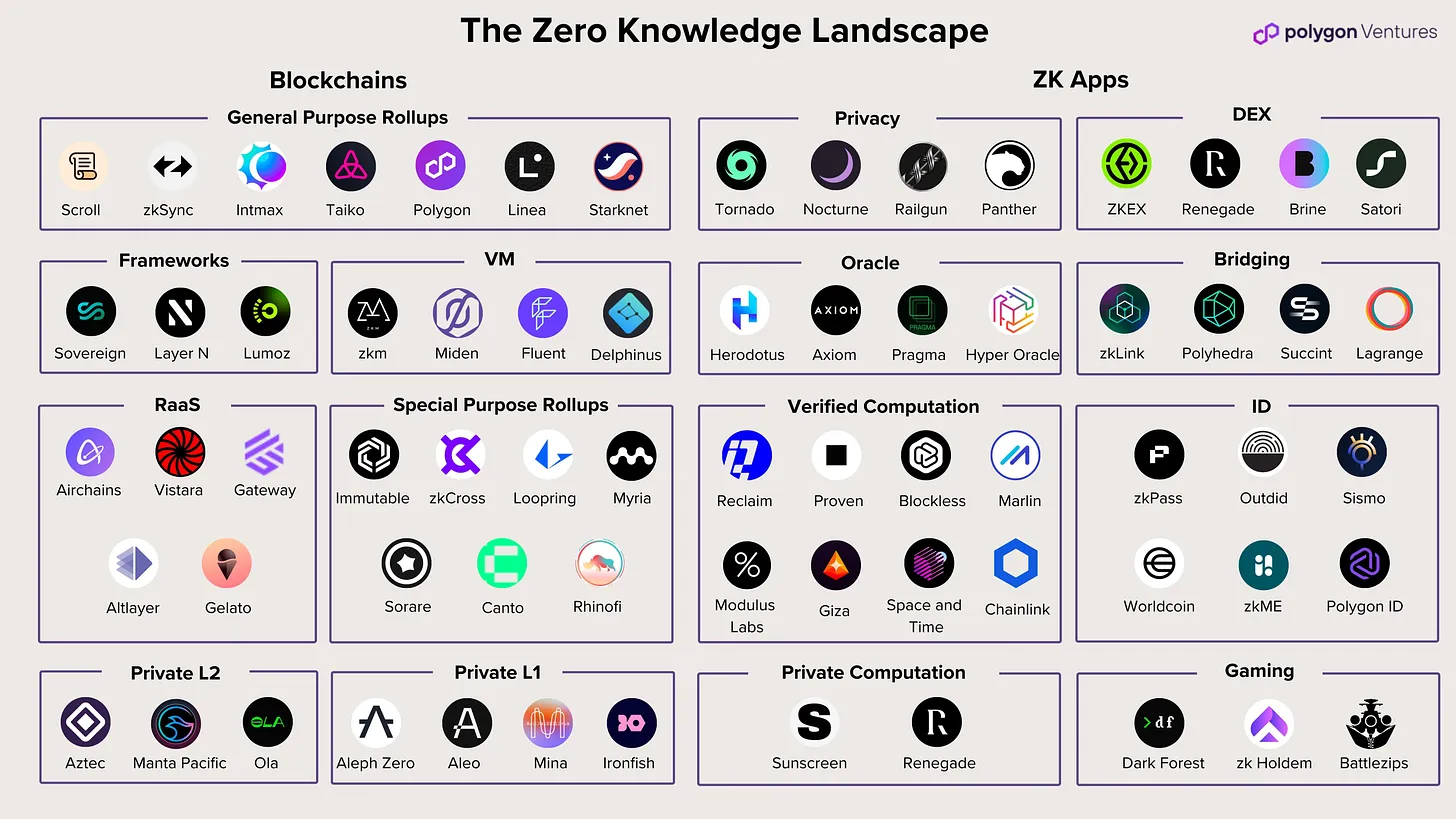
Start by selecting a proof system that matches your verification needs. zk-SNARKs offer small proof sizes but require a trusted setup, which introduces a one-time ceremony risk. zk-STARKs are transparent and scalable but generate larger proofs that are more expensive to verify on-chain. For freelance task verification, where you might submit proofs for multiple small jobs, the gas cost of verification often outweighs the benefit unless you batch them.
You also need a reliable verifier. Relying on a local implementation is risky for production environments. Instead, use established libraries like ZKProof Verified Verifiers to ensure your proof logic is mathematically sound. This working group formally establishes validity by ensuring the correctness of the cryptographic implementation, preventing subtle bugs that could leak private data or accept invalid proofs.
Finally, test your proof generation against the verifier you intend to use. Proof systems are not always interchangeable. A proof generated by one circuit cannot be verified by another unless they share the same structure and parameters. Misalignment here is the most common reason for failed task submissions in decentralized freelance markets.
Work through the steps
To use zero-knowledge proof privacy in your freelance workflow, you need to move from abstract concepts to concrete verification. This process ensures that clients can trust your credentials or completed tasks without exposing sensitive personal data or proprietary methods.
Follow this sequence to set up and execute a ZK-verified task. Each step builds on the previous one, ensuring mathematical integrity while maintaining your privacy.
Before generating any proof, you and the client must agree on the "public" statement to be verified. This is the specific claim that will be proven true without revealing the underlying data. For example, if you are a freelancer proving your identity for a KYC-compliant platform, the claim is "the user is over 18" rather than "the user is John Doe, born on Jan 1, 1990." Define these constraints clearly in your smart contract or verification protocol. Ambiguity here leads to failed proofs later.
The "witness" is your private data—the actual sensitive information that proves the claim. This remains strictly local to your device or secure environment. In the freelance context, this might be your tax records, portfolio code, or identity documents. You feed this witness into a ZK circuit (a program that defines the logic of the proof). The circuit checks if your private data satisfies the public parameters defined in Step 1. No data leaves your local environment at this stage.

Using a ZK-SNARK or ZK-STARK generator, you compute a cryptographic proof from the witness and the circuit. This proof is a small, fixed-size string of data that mathematically guarantees the witness satisfies the public statement. This step is computationally intensive, which is why many freelancers use dedicated ZK verification services or cloud-based ZK processors to offload the heavy lifting. Ensure you use a trusted setup if required by your chosen protocol, as a compromised setup breaks the entire system's security.
Send the generated proof to the verifier, which is often a smart contract on a blockchain or a centralized verification API. The verifier does not receive your private witness data. Instead, it runs a fast verification algorithm against the public parameters. If the proof is valid, the verifier outputs a "true" signal. This is how zkVerify and similar modular layers optimize verification at scale, allowing thousands of freelancers to prove their status simultaneously without clogging the network with raw data.

Once the verifier accepts the proof, you receive a token, badge, or smart contract state change that grants you access. This credential is reusable. You can present this same proof to multiple clients or platforms without re-uploading your sensitive data. This is the core benefit for freelancers: one-time verification, perpetual privacy. You retain control over your data, and the client gets the assurance they need to hire you.
Fix common mistakes in ZK verified tasks
Zero-knowledge proof verification in freelancing sounds like a safeguard, but a single misconfiguration can invalidate a contract or expose sensitive data. The difference between a secure workflow and a failed submission usually comes down to three specific errors: mismatched parameters, ignored computational limits, and skipping the verifier check.
Mismatched circuit parameters
The most frequent error occurs when the freelancer’s proving circuit does not exactly match the client’s verification key. In ZK systems, the circuit defines the logic of the proof. If the freelancer uses a slightly different version of the code or compiles it with different constants, the proof will fail validation instantly.
This is not a "close enough" scenario. Cryptographic verification is binary. To avoid this, always use the exact circuit specification provided by the client or the platform. Do not attempt to optimize or modify the underlying logic unless explicitly instructed. Treat the circuit definition as immutable law for that specific task.
Ignoring computational limits to account for
Zero-knowledge proofs are computationally expensive. Many freelancers fail to account for the time and resources required to generate a proof, especially when using protocols like zk-SNARKs that require significant setup and processing power. This leads to missed deadlines or incomplete submissions.
Before starting a complex task, estimate the proving time. If the platform or client has strict time limits, choose a lighter verification protocol if available. Never assume that a proof will generate instantly. Plan your workflow to include buffer time for the heavy lifting of proof generation, which can take minutes or hours depending on the complexity.
Skipping the pre-submission check
Many freelancers submit proofs directly to the blockchain or client portal without running them through a local verifier first. This is a costly mistake. If the proof is invalid, you may incur gas fees or damage your reputation on the platform.
Always run a local verification check before final submission. Use tools like the ZKProof verified verifiers to ensure your proof is mathematically sound. This step is your final safety net. It ensures that the proof you are about to submit is valid, saving you time and resources in the long run.
Zk verified tasks: what to check next
Before adopting zero-knowledge proof privacy for freelance work, it helps to separate the cryptography from the marketing. These protocols allow you to prove you completed a task without exposing your underlying data or identity.
What is zk verify?
zkVerify is a specialized modular blockchain layer designed to verify zero-knowledge proofs efficiently. It allows rollups and applications to offload this heavy verification work, significantly reducing costs and latency compared to doing it on a base layer like Ethereum. For freelancers, this means faster settlement of verified tasks.
What is ZKP verification?
In cryptography, ZKP verification is a protocol where one party (the prover) convinces another (the verifier) that a statement is true without revealing any extra information. Think of it like showing a security guard you are over 21 by proving your age mathematically, without handing over your actual driver’s license or birth date.
Is zero-knowledge proof legit?
Yes, zero-knowledge proofs are a legitimate and mathematically sound field of cryptography. They are actively used in blockchain infrastructure to ensure correctness of computations without revealing inputs. However, "legit" doesn't mean "simple." The technology requires rigorous implementation to avoid vulnerabilities, so always use established, audited protocols for professional work.
What are the disadvantages of using ZKP?
The main drawback is computational complexity. Generating ZK proofs requires significant processing power, which can slow down transaction processing and increase costs, especially for zk-SNARKs. For simple freelance tasks, this overhead might be unnecessary. Additionally, the learning curve is steep, and bugs in the proof circuit can lead to catastrophic security failures.
No comments yet. Be the first to share your thoughts!