
What are ZK verified tasks
ZK verified tasks merge the mechanics of zero-knowledge proofs with the practical needs of remote work. In this model, a worker generates a cryptographic proof that a specific job is complete without exposing the underlying data, source code, or personal identity to the client. This approach allows companies to verify output quality and compliance while maintaining strict confidentiality for both the deliverable and the worker’s private information.
The foundation of this system lies in zero-knowledge proofs, a cryptographic protocol where one party can prove to another that a statement is true without revealing any information beyond the validity of the statement itself. Think of it like the "Red Card Proof" analogy often used in cryptography: a person can prove they hold a red card from a deck without showing which specific card it is. In remote work, the "card" is the completed task, and the "proof" is the ZK verified task credential.
This mechanism solves a persistent tension in distributed teams. Clients need assurance that work meets requirements, while workers often handle sensitive intellectual property or personal data that cannot be shared openly. By using ZK proofs, the verification happens on-chain or through a trusted verifier, confirming the task's integrity without the client ever seeing the raw materials. This ensures that sensitive data remains siloed, reducing the risk of leaks or unauthorized access.
ZK verified tasks let freelancers prove they completed work without exposing the work itself or their identity details to the client.
The result is a trustless environment where verification is automated and privacy is preserved. Workers get paid based on cryptographic proof of completion, and clients get assurance that the work was done correctly, all without the friction of traditional auditing or the risks of data exposure.
Choose your ZK proof stack
Selecting the right cryptographic primitives is the foundation of any privacy-preserving remote work infrastructure. Your choice between zk-SNARKs and STARKs will dictate the performance, cost, and trust assumptions of your ZK verified tasks. This decision impacts everything from proof generation time to the computational load on verifying nodes.
To help you decide, here is a direct comparison of the two dominant proof systems.
| Primitive | Proof Size | Verification Time | Trust Setup |
|---|---|---|---|
| zk-SNARKs | Small | Fast | Required (usually) |
| STARKs | Large | Moderate | None |
The trade-off is clear. zk-SNARKs offer compact proofs and instant verification, making them ideal for high-frequency task validation where bandwidth is limited. However, they typically require a trusted setup ceremony, which introduces a point of failure if the initial parameters are compromised. STARKs eliminate the trusted setup requirement, offering greater long-term security and quantum resistance, but their larger proof sizes can increase data transmission costs.
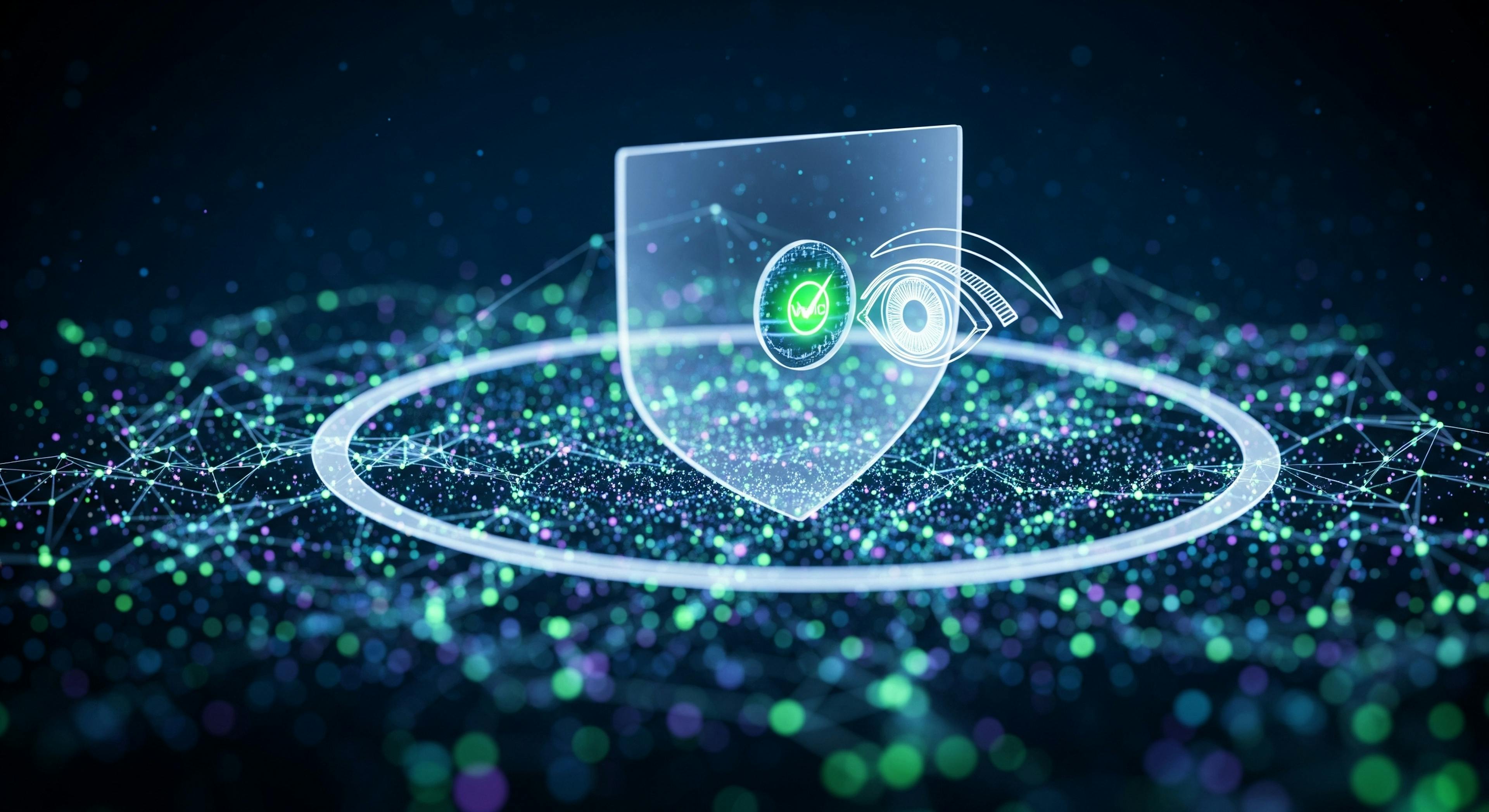
For infrastructure, consider using verified verifiers like those listed on the ZKProof website to ensure the correctness of your cryptographic implementations. This step is critical for maintaining the integrity of your remote work verification pipeline without exposing sensitive employee data.
Generate proofs for completed work
Before a remote worker can prove they finished a task without exposing the actual work product, you need to set up the environment that will handle the heavy lifting. This process happens entirely on the user’s local machine or a trusted execution environment. The goal is to turn raw data—like a completed code commit or a verified design file—into a compact cryptographic signature.
Think of this like a notary public. The notary doesn’t need to read your entire letter to verify your signature is genuine; they just check the ink against their records. Similarly, a zero-knowledge proof allows a verifier to check that a task met specific criteria without ever seeing the underlying data.
Here is the technical workflow for generating a ZK verified task proof.
The first step is translating business requirements into mathematical constraints. You must define exactly what "completed work" looks like in code. This involves setting up a circuit (often using tools like Circom or Halo2) that accepts your private data as input and outputs a public boolean value: true if the work meets the criteria, false otherwise. For example, if the task is to verify an income threshold, the circuit checks if income > $50,000 without knowing the actual income amount. These constraints form the logic backbone of your ZK verified tasks system.
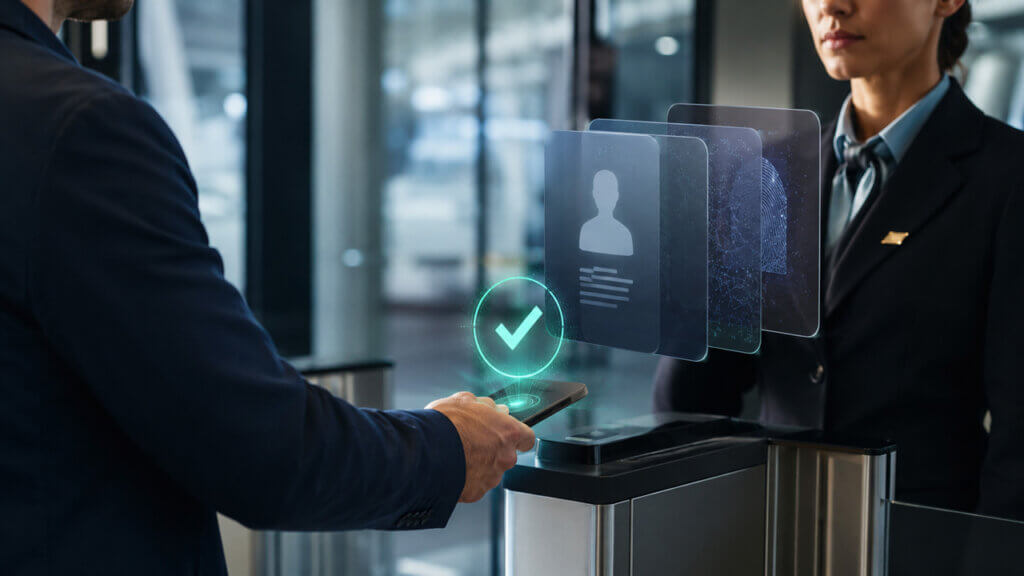
Once the circuit is defined, the worker runs their local computation. This is where the actual work happens. The worker inputs their private data—such as a proprietary algorithm, a confidential design file, or personal financial records—into the circuit. The system processes this data against the predefined constraints. Because this happens locally, the raw data never leaves the worker’s device. This ensures that sensitive intellectual property or personal information remains private while still being subject to verification.
With the local computation complete, the system generates the zero-knowledge proof. This is a small, fixed-size cryptographic object that mathematically attests that the circuit evaluated to true. The proof is derived from the witness (the private data) and the circuit constraints. Crucially, the proof itself contains no information about the underlying data. It is merely a guarantee that the data satisfied the rules. This proof is what gets submitted to the verifier, acting as the bridge between private work and public trust.
The final step is submitting the generated proof to the verification layer. This could be a smart contract on a blockchain or a centralized verification server. The verifier uses the public parameters of the circuit to check the proof. If the proof is valid, the verifier accepts the task as completed. This process is fast and requires minimal bandwidth, as only the small proof is transmitted, not the entire dataset. This allows for scalable, privacy-preserving verification of remote work at any volume.
By following these steps, you create a robust framework for verifying remote work without sacrificing privacy. The key is that the verifier only sees the proof, not the work, maintaining confidentiality while ensuring accountability.
Verify proofs on-chain or off-chain
Once the worker generates a ZK verified task proof, the system must validate it before releasing payment. This verification step is the core mechanism that ensures trustless execution. It confirms that the work was completed according to the agreed-upon rules without exposing sensitive data or requiring a central authority to intervene.
You can choose between on-chain or off-chain verification depending on your needs for speed, cost, and transparency. On-chain verification offers maximum security but can be expensive and slow due to gas fees. Off-chain verification is faster and cheaper but relies on a trusted verifier or a more complex decentralized network.

The worker’s software generates a cryptographic proof that the task was completed correctly. This proof is a small data packet that attests to the validity of the computation without revealing the underlying data. It is created locally on the worker’s device, ensuring privacy is maintained throughout the process.
The generated proof is submitted to the verification layer. If using on-chain verification, this means sending a transaction to the smart contract. For off-chain verification, the proof is sent to a dedicated verifier service. The verifier checks the proof against the public parameters and the task logic.
The verifier runs a verification algorithm to ensure the proof is mathematically sound. This step confirms that the worker indeed performed the correct computation and that the output matches the expected result. If the proof is valid, the verifier returns a success signal; if not, it returns a failure.
Once the proof is verified, the payment is automatically released to the worker’s wallet. In an on-chain system, the smart contract executes the payment directly. In an off-chain system, the verifier triggers a payment through a connected payment processor. This ensures workers are paid promptly and accurately for their verified work.
This verification loop creates a secure, privacy-preserving environment for remote work. By relying on cryptographic proofs rather than trust, both clients and workers can collaborate with confidence, knowing that the system enforces the rules objectively.
Common mistakes in ZK task setup
Even with robust infrastructure, ZK verified tasks can fail if the underlying logic isn't precise. The most frequent pitfall is poor constraint definition. If your circuit constraints are too loose, the proof becomes useless; if they are too tight, you may reject valid inputs or stall the prover. This balance is the difference between a functional privacy layer and a broken verification flow.
High gas costs often catch teams off guard. Generating a proof is computationally expensive, and deploying that proof on-chain can be equally costly if the verifier contract isn't optimized. Failing to estimate gas limits beforehand can cause transactions to revert, leaving the remote worker unpaid and the task status stuck.
Incorrect proof generation is another silent killer. This happens when the witness data (the private inputs) doesn't match the circuit expectations, or when the proving key is mismatched with the verification key. Always validate your witness data locally before attempting on-chain submission. A small data mismatch here invalidates the entire cryptographic guarantee.
-
Constraints defined and tested locally
-
Proof generated with correct witness data
-
Gas costs estimated for on-chain verification
-
Verifier contract address and ABI confirmed
Tools for ZK verified remote work
Selecting the right infrastructure is the difference between a functional privacy layer and a development bottleneck. For freelancers and developers, the ecosystem splits into two categories: verification networks that process the proofs and hardware that generates them.
Verification Platforms
zkVerify is the primary testnet for incentivized verification tasks. It allows developers to complete quests that validate zero-knowledge proofs, earning points while testing network stability. For off-chain data verification, Space and Time provides tools to ensure query results remain accurate and untampered without exposing the underlying data. These platforms handle the heavy lifting of proof aggregation.
Hardware and Learning Resources
Generating ZK proofs is computationally intensive. A machine with a modern multi-core CPU and ample RAM is essential for local proof generation. For those new to the technology, foundational books on zero-knowledge cryptography help bridge the gap between theory and implementation.


As an Amazon Associate, we may earn from qualifying purchases.
Frequently asked questions about ZK tasks
Zero-knowledge (ZK) verified tasks allow you to prove you completed work without exposing the actual content or sensitive data. This setup is essential for privacy-preserving remote work where trust is limited but verification is required.
No comments yet. Be the first to share your thoughts!