
What ZK verified tasks actually do
ZK verified tasks use zero-knowledge proofs to confirm that work is complete without exposing the underlying data. In remote work, this means a freelancer can prove they finished a coding sprint, hit a sales target, or processed a dataset without sharing the code, customer lists, or financial records with the client. The mechanism relies on mathematical cryptography to validate the output while keeping the inputs private.
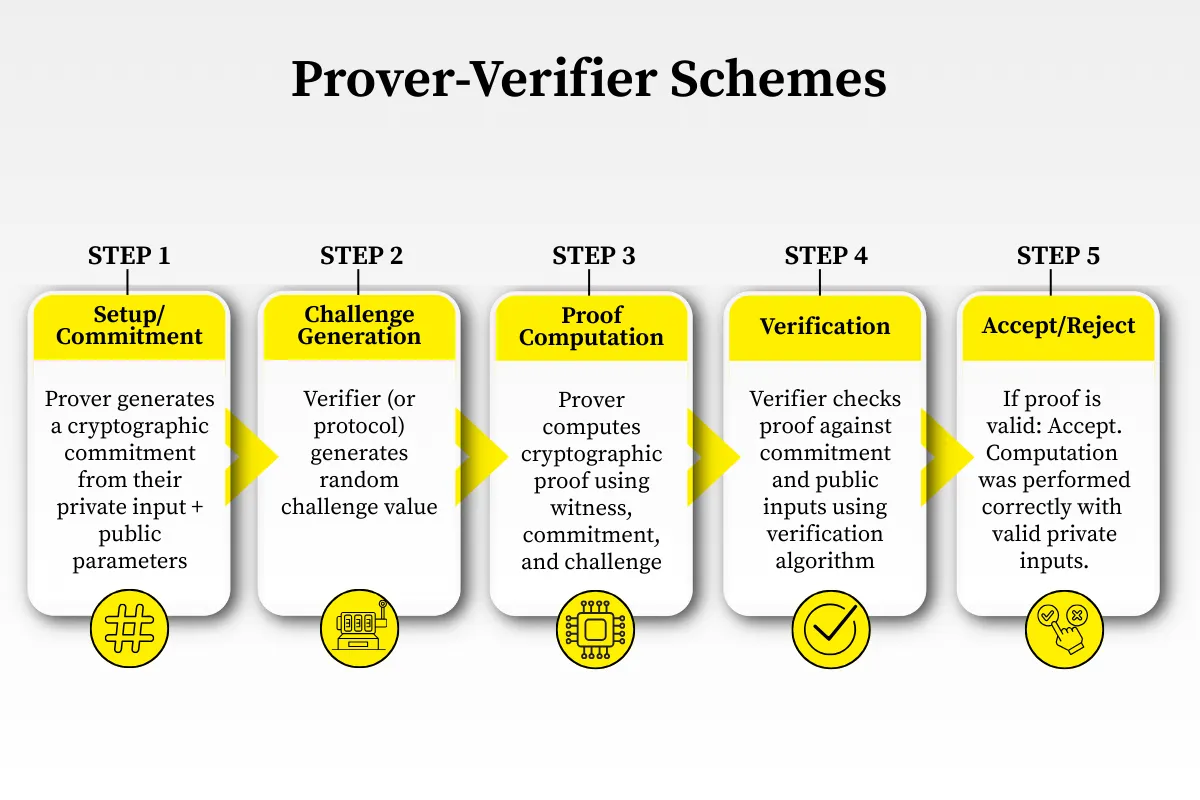
This approach solves a fundamental privacy problem in distributed teams. Traditional verification requires handing over raw files, which often contain sensitive intellectual property or personal information. With ZK proofs, the worker acts as a prover, generating a cryptographic receipt that the client, or verifier, can check instantly. As noted by security researchers, this provides a mathematically sound way to verify computations without revealing the inputs or intermediate steps.
The result is a system where trust is established through verification rather than transparency. Clients get the assurance that the job was done correctly, while workers retain full control over their sensitive data. This shift allows for more secure collaborations, particularly in industries where data privacy is regulated or highly valued.
Set up your local proving environment
To verify remote work tasks without exposing private data, you need a local environment capable of generating zero-knowledge proofs (ZKP). This setup allows you to compile circuit logic and produce proofs that can be submitted to a verifier, such as zkVerify, ensuring privacy while maintaining integrity.
The process involves installing the necessary cryptographic toolkits, defining your task circuit in code, and compiling it into a format ready for proving. This guide walks you through the essential steps to get your local prover running.
Begin by installing the core libraries required for zero-knowledge proof generation. Most modern ZK frameworks rely on Rust or Go. Ensure your system has the latest stable version of your chosen language and the corresponding package manager. For example, if using a Rust-based framework like Circom or Gnark, install cargo and rustup. Verify the installation by checking the version numbers in your terminal. This foundation is critical for compiling the circuit constraints later.
Write the circuit logic that represents your remote work task. A circuit is a mathematical representation of a computation. In this step, you define the public inputs (e.g., task ID, timestamp) and private inputs (e.g., actual work output, sensitive data) that will be proven. Use the circuit language provided by your toolkit (such as Circom or SnarkJS) to specify the constraints. The goal is to create a system where the proof confirms the task was completed correctly without revealing the underlying data.
Compile your circuit source code into a compiled circuit file (often a JSON or R1CS format). This step translates your high-level logic into a format the prover can understand. Run the compiler command provided by your toolkit. If the compilation fails, check your constraint definitions for logical errors. Successful compilation produces the necessary artifacts, including the circuit structure and any initialization parameters needed for the next phase.
With the compiled circuit ready, generate the proving key. This key is derived from a trusted setup or a precomputed common reference string (CRS) specific to your circuit's size and constraints. The proving key allows you to generate proofs efficiently. Ensure you follow the security protocols for your trusted setup if applicable, as compromising this step can break the zero-knowledge property. Store the proving key securely, as it is required for every proof generation.
Finally, test your setup by generating a proof for a dummy task. Provide dummy private inputs and the public task metadata to your prover script. The output should be a proof object and public inputs. Verify this proof locally using the verification key to ensure your environment is correctly configured. This step confirms that your local proving environment can produce valid proofs that a verifier, such as zkVerify, will accept.
-
Toolkit installed and version checked
-
Circuit logic defined with public/private inputs
-
Circuit compiled successfully to R1CS/JSON
-
Proving key generated from trusted setup
-
Local test proof generated and verified
With your local environment ready, you can now generate proofs for actual remote work tasks. These proofs can be submitted to a verifier layer to confirm task completion while keeping the details of the work private.
Compare ZK verification platforms
Choosing the right infrastructure for privacy-preserving remote work requires balancing verification speed, cost, and compatibility with your existing tech stack. Zero-knowledge (ZK) verification allows you to prove that a task was completed correctly without exposing sensitive data, but the underlying platform determines how efficiently this happens.
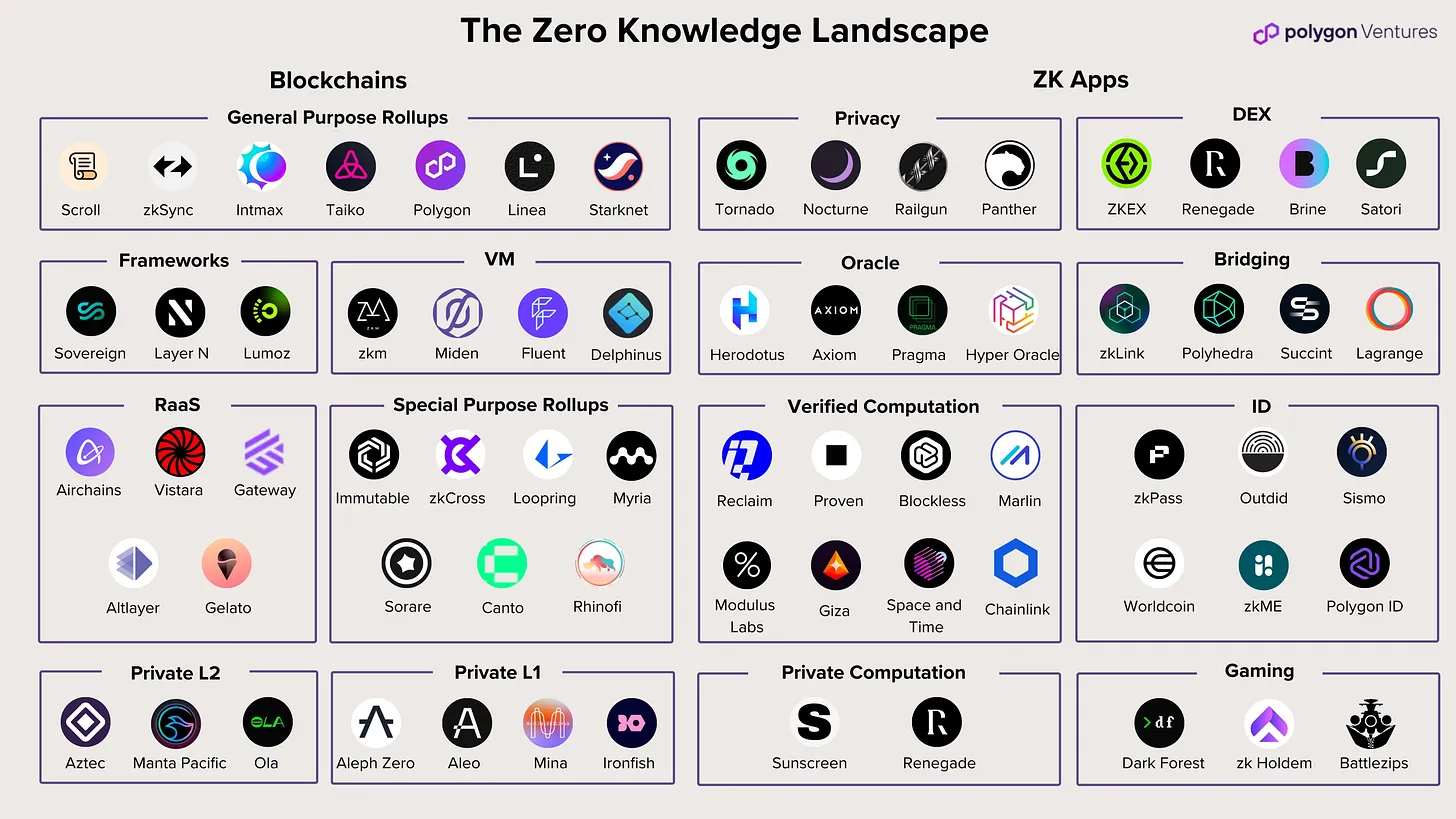
The landscape is divided between specialized verification layers like zkVerify and broader cryptographic frameworks like ZKProof. Understanding the tradeoffs between these options helps you avoid over-engineering your solution or paying for unnecessary overhead.
Platform comparison
The table below compares the primary attributes of zkVerify, ZKProof, and generic ZK-Rollups. Use this to gauge which fits your operational needs.
| Platform | Verification Speed | Cost Structure | Ease of Integration |
|---|---|---|---|
| zkVerify | High (optimized for scale) | Moderate (modular layer) | High (dedicated API) |
| ZKProof | Variable (framework-based) | Low to Moderate | Moderate (requires setup) |
| ZK-Rollups | High (batched) | Low (shared sequencer) | Low (chain-specific) |
zkVerify acts as a dedicated modular layer. It pulls the verification stage out of the main application, allowing rollups to offload proof verification and reduce costs. This is ideal if you need a standardized, high-speed verification endpoint without managing the underlying cryptography yourself.
ZKProof is a working group and framework that formally establishes the validity of zero-knowledge proofs. It ensures correctness of the cryptographic protocols but requires more technical integration effort. This is better suited for teams building custom verification logic from the ground up.
Generic ZK-Rollups bundle transactions together to verify them on a main chain. While cost-effective for high-volume transactions, they are less flexible for individual task verification and often tie you to a specific blockchain ecosystem.
Which platform fits your needs?
If your priority is rapid deployment and offloading verification complexity, zkVerify provides the most direct path. Its modular design allows you to integrate proof verification quickly while maintaining privacy.
For teams requiring full control over the cryptographic protocols or building custom verification circuits, ZKProof offers the necessary flexibility. However, this comes at the cost of increased development time and maintenance.
ZK-Rollups are best for applications where task verification is just one part of a larger transactional workflow on a specific blockchain. They offer the lowest cost per verification but limited control over the verification process itself.
Submit proofs and get paid securely
This is the final stage where the system closes the loop. You have finished the remote work task and generated the zero-knowledge proof. Now, you submit that proof to the verification layer to trigger payment. The entire process is designed so the verifier accepts the proof as valid without ever seeing the raw data of your work.
Submit the proof hash
First, connect your wallet to the task platform’s submission portal. The system will prompt you to upload the proof hash generated by your local prover. This hash acts as the cryptographic receipt that your work was completed correctly. When you submit it, the smart contract receives the hash and checks it against the verification layer’s state.
Verification and payment
Once the proof is submitted, the verification layer confirms its validity. This step is automated and happens on-chain. Because the proof is zero-knowledge, the system confirms the work is done without exposing your private methods or data. After verification, the smart contract automatically releases the payment to your wallet. You receive your funds securely, and the privacy of your workflow remains intact.
Link your wallet to the platform and upload the proof hash. The interface will validate the format before sending it to the blockchain.
The smart contract checks the proof against the verification layer. This happens automatically and securely without exposing your work data.
Once the proof is verified, the smart contract releases the payment to your wallet. The transaction is final and private.
Common questions about ZK verified tasks
Zero-knowledge proofs (ZKPs) are a standard cryptographic method. They allow one party to prove a statement is true without revealing the underlying data. In remote work, this means a worker can prove they completed a task or have the right skills without exposing personal identity documents or proprietary workflow details.
What is zkVerify?
zkVerify is a modular blockchain layer designed to verify zero-knowledge proofs efficiently. It helps applications and rollups offload proof verification, which reduces costs and improves scalability. For remote teams, it acts as a trusted third-party verifier that confirms task completion without needing to see the raw data.
What is ZKP verification?
ZKP verification is the process where a verifier checks a proof to ensure it is valid. The prover demonstrates that a statement is true without sharing any extra information beyond the fact itself. This ensures that sensitive work output remains private while still being authenticated.
Is zero-knowledge proof legit?
Yes. ZKPs are mathematically sound and widely used in blockchain and privacy tech. They provide a secure way to verify computations without revealing inputs. This makes them a reliable choice for verifying remote work tasks without compromising worker privacy.
No comments yet. Be the first to share your thoughts!