
What ZK verified tasks actually are
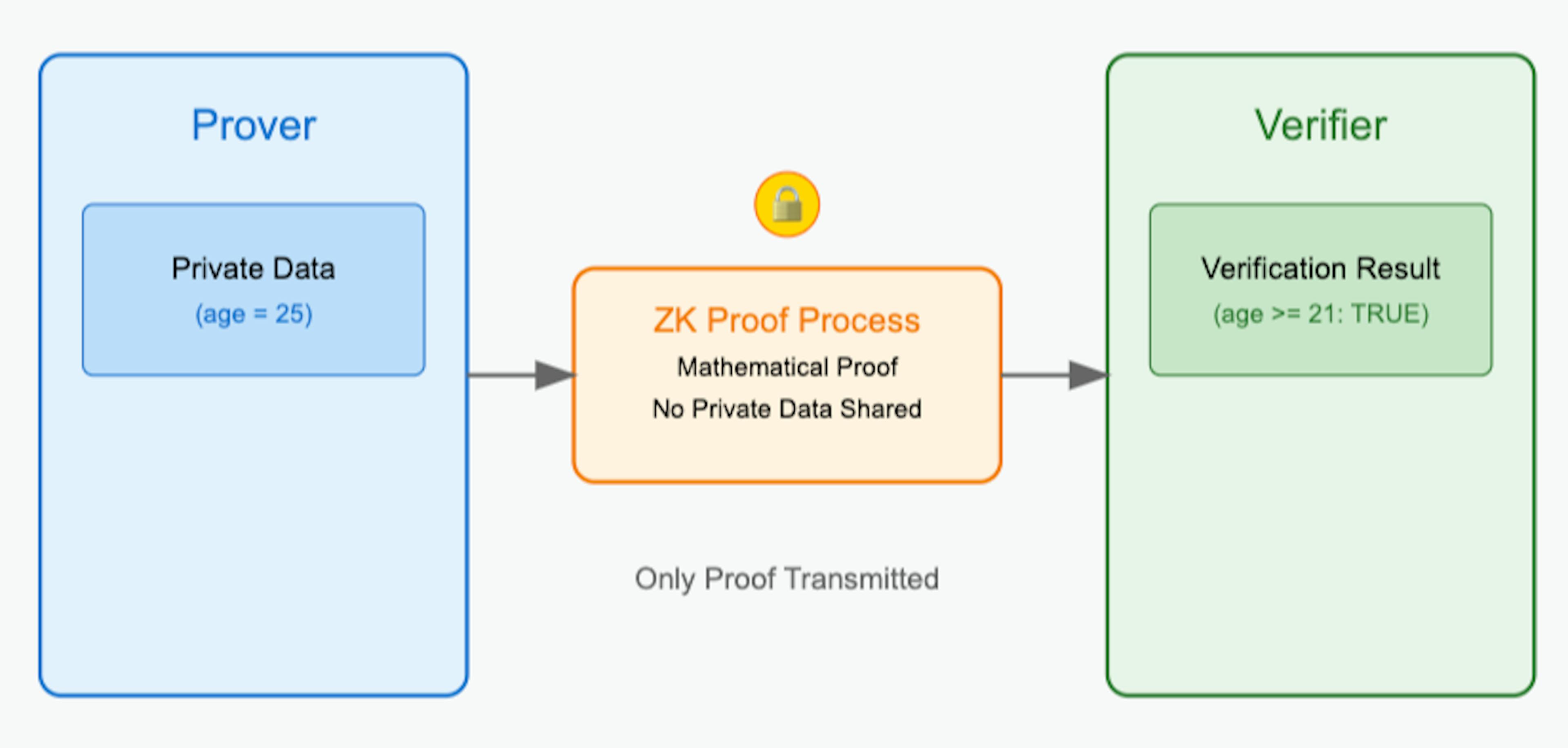
ZK verified tasks are crypto gigs where you prove you completed work without exposing the raw data or your identity. In a standard bounty, you might upload a spreadsheet or a public wallet address to show you finished the job. With zero-knowledge proofs, you submit a cryptographic receipt that confirms the work happened, while keeping the underlying details hidden.
Think of it like a sealed envelope. You hand the verifier a locked box. They can’t see what’s inside, but a mathematical mechanism proves the box contains exactly what was promised. This privacy-first approach allows you to participate in the gig economy without broadcasting your entire history or sensitive project data to the public chain.
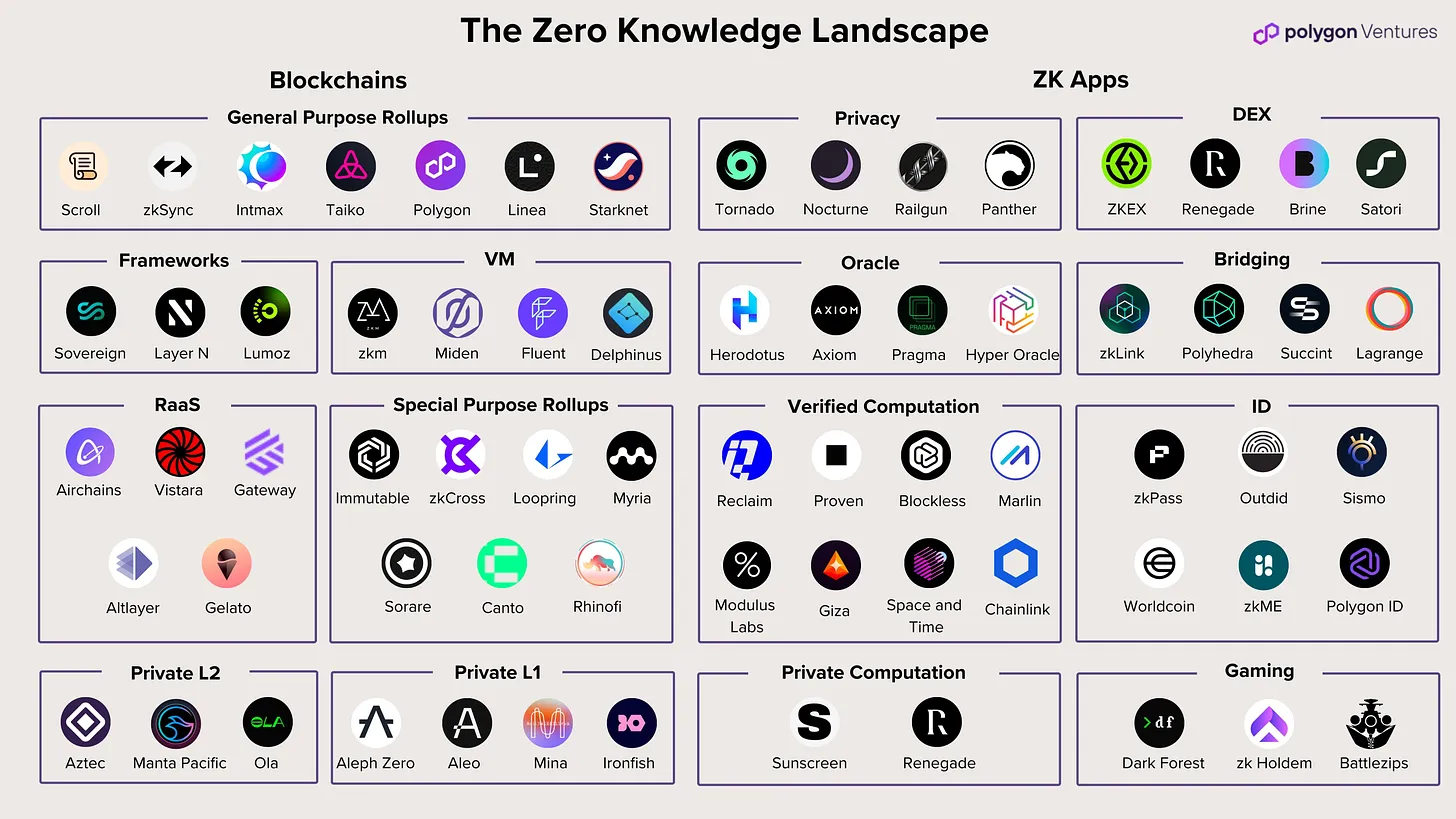
This distinction matters because it changes where you look for opportunities. Standard bounties live on public leaderboards. ZK verified tasks often require specific protocols or platforms that support zero-knowledge verification, such as zkVerify, which optimizes proof verification at scale to make these private transactions feasible. You are not just submitting a link; you are generating a proof that the network accepts as valid.
Set up your privacy-first wallet
Before you can claim ZK verified tasks, you need a wallet that supports zero-knowledge proofs and keeps your identity separate from your on-chain activity. Standard wallets often leak metadata or lack the specific cryptographic extensions these platforms require. We will walk you through installing a compatible wallet and generating a ZK-compatible address.
Search for a wallet that explicitly supports ZK proofs, such as those integrated with the zkVerify protocol. Avoid generic wallets that do not mention zero-knowledge compatibility, as they cannot generate the necessary cryptographic proofs for task verification. Download the extension or mobile app from the official source only.
Create a fresh wallet instance. Do not import an existing wallet that has a history of public transactions linked to your real-world identity. A clean slate ensures your privacy is preserved from the moment you start participating. Write down your seed phrase securely and offline.
Navigate to the wallet’s advanced settings. Enable any options related to zero-knowledge proof generation or anonymous transaction modes. This step is critical because default settings often prioritize transparency over privacy, which defeats the purpose of ZK verified tasks. Ensure the wallet is set to hide metadata where possible.

Test your setup by connecting to a testnet or a demo ZK task platform. The zkVerify documentation confirms that proofs should verify in seconds if configured correctly. If the connection fails or proofs do not generate, check your wallet’s ZK extension status and network settings before proceeding to live tasks.
Locate active zero knowledge proof jobs
Finding legitimate zero knowledge proof tasks requires looking where the work is actually posted, not where it is hyped. Most social media posts promising quick payouts are either outdated or scams. You need to go directly to the source: the protocols running the testnets and the verifiers auditing them.
Start with the ZKProof Verified Verifiers directory. This is the most reliable place to find active opportunities because the list is curated by the working group establishing validity standards for zero-knowledge proofs. If a project is on this list, it has passed a formal review of its cryptographic correctness. Look for entries that explicitly mention "testnet," "audit," or "bug bounty" in their descriptions. These are the signals that real work is available.
Next, check the official channels of specific ZK protocols. Projects like zkVerify or those building on Polygon zkEVM often post task lists on their official X (Twitter) handles or Discord servers. Do not trust third-party aggregators. Go to the protocol’s official website and look for a "Community," "Developers," or "Grants" section. These pages usually contain direct links to the tasks. For example, many ZK apps run through a four-stage cycle: decide what to prove, generate the proof, verify the proof, and consume the result. Tasks are typically posted at the "generate" or "verify" stages when the protocol needs external validation or stress testing.
When you find a potential task, verify its legitimacy by checking the project’s GitHub repository. Look for recent commits and active issues. A legitimate zero knowledge proof job will have a public codebase where you can see the proof circuits or verification logic. If the code is private or the repo is empty, walk away.
Complete tasks with on-chain verification
The workflow for ZK verified tasks relies on a specific sequence: execution, proof generation, and on-chain submission. You do not simply send a transaction; you must first generate a cryptographic proof that your action was valid without revealing the sensitive data involved. This process ensures privacy while maintaining the integrity of the blockchain.
Begin by completing the required action off-chain. This could be running a computation, storing data, or interacting with a smart contract. The task platform provides the parameters and constraints you must adhere to. Ensure your local environment is configured correctly to capture the necessary inputs for the proof.
Use a ZK-circuit or a trusted setup to generate a proof from your execution data. This step translates your actions into a mathematical statement that can be verified by the blockchain. Tools like Circom or SnarkJS are commonly used here. The output is a compact proof file that attests to the correctness of your computation.
Send the generated proof to the verification contract on the blockchain. The contract checks the proof against the public parameters and the task constraints. If the proof is valid, the contract emits an event confirming the task completion. This step is where the "on-chain verification" actually happens, locking in your reward eligibility.
Once the on-chain verification is confirmed, you can claim your payment. The reward is typically distributed automatically by the protocol or via a separate transaction if manual approval is required. Ensure you have sufficient gas for the final claim step to avoid delays in receiving your compensation.
Avoid scams and fake verification claims
Zero-knowledge proofs are complex, and that complexity is exactly what scammers exploit. In 2026, you will encounter platforms claiming "ZK Verified" status to lure liquidity or data. These schemes often use vague marketing language instead of technical transparency. To protect yourself, follow this verification sequence before interacting with any new protocol.
Legitimate projects deploy a specific verifier contract on the blockchain. You should be able to find this contract address in the project’s official documentation or GitHub repository. If a site claims verification but provides no contract address, or if the address doesn’t match the official repo, it is a red flag. Do not trust screenshots; verify the code yourself.
Not all ZK proofs are equal. A legitimate task will specify the exact proof system (e.g., PLONK, STARK, or SNARK) and the circuit parameters. Scammers often use generic terms like "quantum-safe" or "privacy-enabled" without technical substance. If the documentation doesn’t explain which proof system is used, assume the claim is marketing fluff.
Real ZK verification incurs gas costs or computation fees. If a platform claims "instant, free verification" for complex tasks, it is likely offloading the work to a centralized server that isn’t actually verifying anything. Look for transparency on costs. For example, services like zkVerify demonstrate how on-chain verification reduces costs significantly compared to traditional methods, but they never claim it is free or instant without explanation.
Scammers also use "ZK" in token names or project titles to appear trendy. Always check the project’s founding team and their past work. If the team is anonymous and the code is unverified, the "ZK" label is just a buzzword. Stick to projects with open-source code and active, technical community discussions on platforms like GitHub or dedicated Discord channels. If you can’t find a technical discussion about the circuit design, there is likely no circuit to verify.
Your ZK task participation checklist
Before committing time to ZK verified tasks, treat your workflow like a security audit. Each step ensures your proof is accepted by the network without exposing your private data.
1. Verify the verifier
Check that the task provider uses a recognized verifier like those listed on ZKProof. If the verification method isn’t transparent, the task likely isn’t legitimate.
2. Set up your wallet
Connect a compatible wallet (e.g., MetaMask or Rabby) to the platform. Ensure you hold any required tokens for gas fees, but never share your private key or seed phrase.
3. Generate the proof
Use the platform’s built-in tool or a trusted SDK to create the zero-knowledge proof. This step runs locally on your device, keeping your raw data off-chain.
4. Submit and verify
Send the proof to the smart contract. The network verifies it in seconds, confirming your action without revealing the underlying inputs.
Frequently asked questions about ZK work
What is ZKP verification?
ZKP verification is the process where a verifier checks a mathematical proof to confirm a statement is true without seeing the underlying data. In the context of legitimate ZK tasks, this usually means validating that a computation—like a transaction or identity check—was performed correctly. The verifier relies on public parameters and the proof itself, ensuring security without exposing private inputs or intermediate steps.
Is zero-knowledge proof legit?
Yes, zero-knowledge proofs are a scientifically verified cryptographic method. They are not a scam or a marketing gimmick; they are a mathematically sound way to verify computations without revealing the inputs. Legitimate ZK tasks rely on these rigorous proofs to ensure data integrity and privacy, making them a trusted standard in blockchain and secure computing.
How does a ZK proof work?
A ZK proof involves two parties: a prover and a verifier. The prover generates a proof that demonstrates knowledge of a specific piece of information (the "witness") without revealing the information itself. The verifier then uses a verification algorithm to check the proof against public parameters. If the proof is valid, the verifier accepts the statement as true, knowing nothing about the secret data used to create it.
Is XRP a ZKP?
No, XRP is not a zero-knowledge proof. XRP is a digital asset and the native token of the XRP Ledger, which uses a consensus mechanism called the XRP Ledger Consensus Protocol. While XRP Ledger supports smart contracts via XVM (XRP Virtual Machine) that can integrate zero-knowledge technology in the future, the XRP asset itself does not function as a ZKP.
No comments yet. Be the first to share your thoughts!