
What ZK Verified Tasks Actually Are
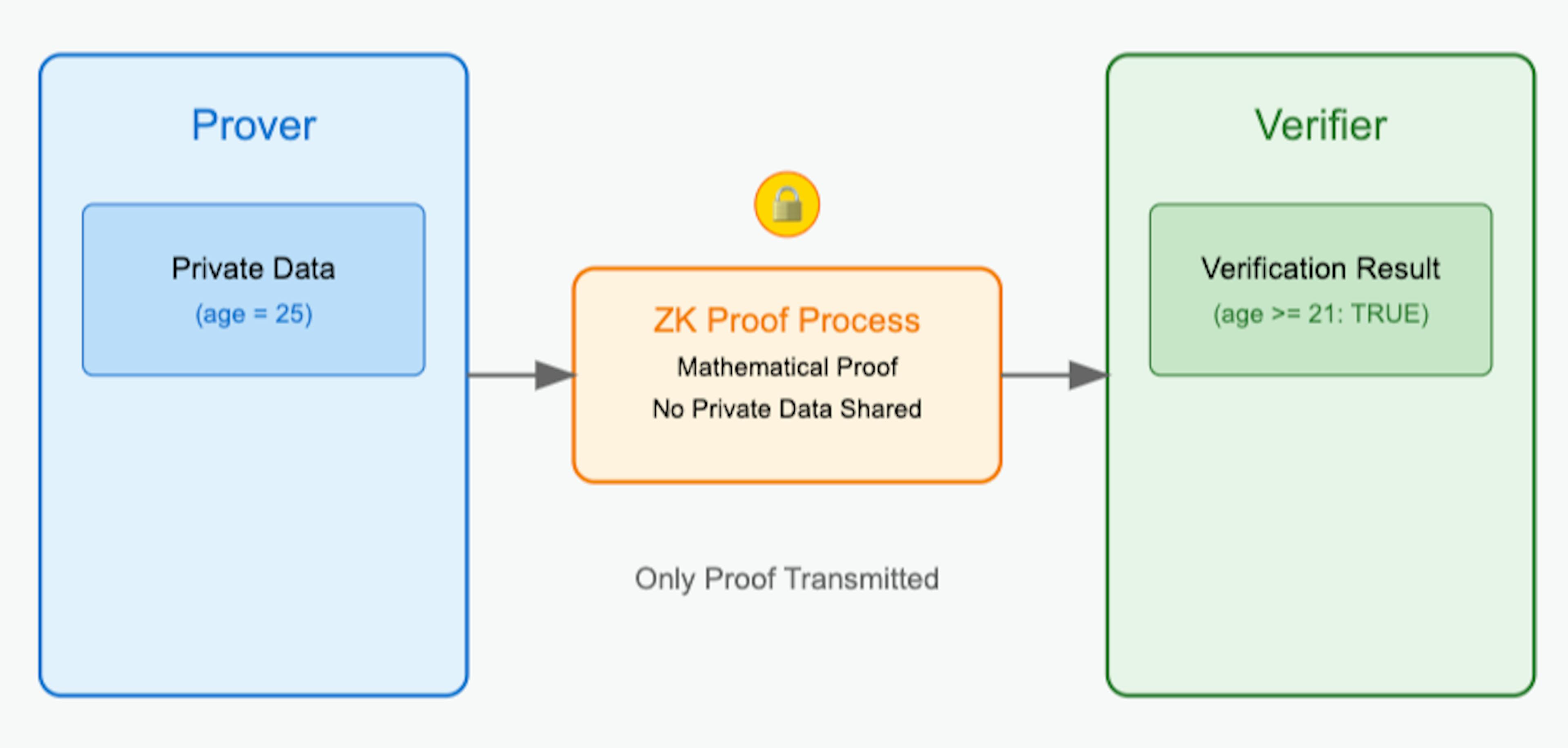
Zero-knowledge proofs (ZKPs) are cryptographic protocols that let one party prove a statement is true without revealing the underlying data. In the context of remote work, this technology transforms how tasks are submitted. Instead of sending raw source code, financial records, or personal identifiers to a client, you submit a mathematical proof that the work was completed correctly.
The process works like this: you generate a proof that your computation or task meets specific criteria, then submit that proof to the verifier. The verifier checks the proof using public parameters and accepts or rejects it based on the result. The critical advantage is that the verifier learns nothing beyond the fact that the statement is true. This means you can prove you wrote valid code or completed a data entry task without exposing your intellectual property or sensitive information.
This approach solves a major bottleneck in remote work verification. Clients get the assurance they need that work was done correctly, while you retain full control over your data. As research indicates, ZKPs provide a mathematically sound way to verify computations without revealing inputs or intermediate steps, making them ideal for scenarios where trust is limited but verification is required.
Set up your ZK proof environment
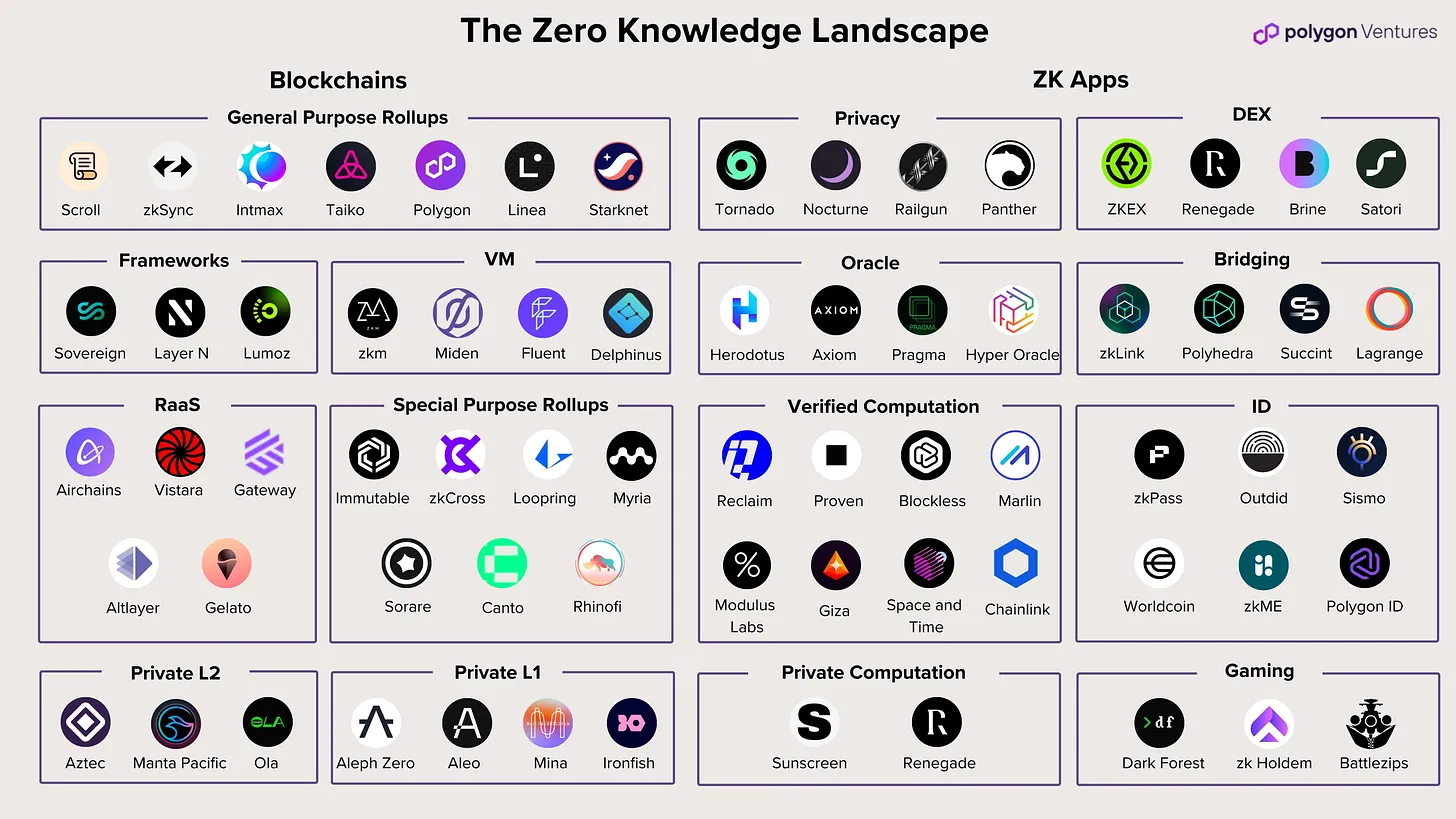
To submit ZK verified tasks, you need a local environment that can generate and verify cryptographic proofs. This setup ensures your work meets the privacy standards required by remote work protocols. We will walk through installing the necessary toolchain and connecting your wallet.
Start by installing the zkVerify SDK or the specific proving library recommended by the task provider. These tools handle the heavy lifting of generating zero-knowledge proofs. Use your system’s package manager to install the latest stable version, ensuring you have the correct dependencies for your operating system.

Set up your environment variables to point to the correct network endpoint. You will need to define the RPC URL for the ZK network and your private key or wallet path. This configuration allows your local machine to interact with the blockchain network securely without exposing sensitive credentials.
Link your Web3 wallet to the toolkit. Most ZK verification platforms require a wallet address to submit proofs and receive rewards. Ensure your wallet is connected to the correct network (e.g., Ethereum L2, Solana, or a dedicated ZK chain). Test the connection by signing a message to confirm access.
Run a diagnostic command to confirm your environment is ready. This step typically involves generating a small test proof and verifying it locally. If the command returns a success status, your ZK proof environment is fully configured and ready for submitting ZK verified tasks.
Generate proofs for your completed work
Generating a zero-knowledge proof is the bridge between your local computation and the remote verifier. You are not sending the data itself; you are sending a cryptographic certificate that mathematically guarantees the data was processed correctly. This process transforms raw output into a verifiable asset without exposing the underlying privacy.
1. Compile the task circuit
Before you can prove anything, you must define the rules of verification. This involves translating your task logic into a circuit—a digital representation of the computation you intend to perform. The circuit specifies exactly what inputs are allowed and what output constitutes success. Once compiled, this circuit becomes the blueprint for the proof generation.
Ensure your local development environment includes the necessary proof generation libraries. These tools handle the complex arithmetic required to translate your task logic into a format the prover can understand. A clean environment prevents compilation errors that can invalidate the final proof structure.
Translate your specific task logic into a circuit file. This step defines the constraints that the proof must satisfy. The circuit acts as a filter, ensuring that only valid computations can generate a successful proof. Accuracy here is critical; a single error in the circuit constraints will cause the entire proof to fail verification.
Execute the prover using your private inputs and the compiled circuit. The prover performs heavy computational work to generate a short, fixed-size proof. This proof serves as the cryptographic certificate, confirming that the output matches the circuit's requirements without revealing the input data itself.

Finalize the process by exporting the verification key and the proof. The verification key is a lightweight file that allows the remote system to check the proof's validity in milliseconds. The proof itself is the payload you submit. Together, they allow the verifier to confirm your work was done correctly without ever seeing the raw data.
The goal of generating proofs for your completed work is to create a seamless handoff. By keeping the data local and only sharing the proof, you maintain privacy while providing the remote employer with absolute confidence in your results. This cryptographic handshake is the core mechanism that makes privacy-preserving remote work possible.
Submit proofs to the verification layer
Once your ZK circuit generates a valid proof, the next step is to broadcast it to a verification service. This layer acts as the gatekeeper, ensuring your cryptographic evidence is accepted before you can claim any bounties or payments. You are not submitting the raw data, but the mathematical proof that the data was processed correctly without revealing the data itself.
1. Prepare the proof payload
Before uploading, ensure your proof is in the correct format required by the verifier (e.g., G1/G2 points for BN254). Most verification layers expect a specific JSON structure containing the proof parameters and the public input. Double-check that the public input matches the task requirements exactly; a mismatch here will cause an immediate rejection.
2. Submit to the verification service
Use the official API or interface of a verification layer like zkVerify to submit your proof. These services are designed to verify proofs in seconds, allowing for efficient offloading of verification costs from the main chain. You will typically need to connect your wallet and sign the transaction to authorize the submission.
Link your wallet to the verification dashboard. Ensure you are on the correct network supported by the verifier, such as Ethereum, Polygon, or a dedicated ZK rollup. This connection authorizes the transaction fee for the verification call.
Select the generated proof file from your local directory. The interface will parse the cryptographic points. If the format is incorrect, the system will return an error immediately. This step confirms the structure is valid before any computation occurs.
Review the gas fees and the verification cost. Submit the transaction to the blockchain. The verification layer will now execute the pairing check to ensure the proof is mathematically sound and corresponds to the public input.
Once the transaction is confirmed, the verification status updates to "Verified." This on-chain record is what allows you to claim your bounty. The proof is now immutable and publicly auditable, completing the privacy-preserving workflow.
3. Verify the on-chain status
After submission, you can track the status of your proof using the transaction hash. Reputable verification services provide real-time feedback on the verification result. If the proof is accepted, the smart contract will emit a ProofVerified event, which serves as the trigger for any downstream actions, such as releasing payment.
Common mistakes when verifying tasks
Proof generation is unforgiving. A single mismatched parameter or outdated library version can cause the entire submission to fail. Below are the most frequent errors that lead to rejection and how to fix them.
Common ZK verification pitfalls
-
Mismatched circuit inputs
Ensure your witness data matches the circuit schema exactly. Even a small type error or missing field will cause the verifier to reject the proof. -
Outdated proving libraries
ZK frameworks evolve quickly. Using a deprecated library version often results in incompatible proof formats or security vulnerabilities. -
Incorrect proof aggregation
When submitting batched tasks, ensure the aggregation circuit is correctly configured. Mismatched public inputs or wrong aggregation keys break the verification chain. -
Missing proof metadata
Some platforms require specific metadata headers or proof type identifiers. Omitting these can cause the submission endpoint to ignore a valid proof.
Check your work with a final audit
Before you submit your ZK verified tasks, run a final audit to ensure the proof is valid and meets all requirements. This step prevents rejection and ensures your privacy-preserving remote work is accepted.
- Verify the proof structure: Ensure the cryptographic proof matches the expected format for your specific ZK circuit. Use a verified verifier tool to confirm the math holds up.
- Check task requirements: Review the original task description. Did you complete all steps? Are the output files in the correct format and location?
- Confirm privacy settings: Double-check that no sensitive data was exposed in the proof generation process. Zero-knowledge proofs should reveal nothing beyond the fact that the task was completed.
If any of these checks fail, regenerate the proof or correct the task execution before resubmission. A clean audit saves time and maintains trust in the decentralized workflow.
No comments yet. Be the first to share your thoughts!